
Counting the waves…
Counting the waves…
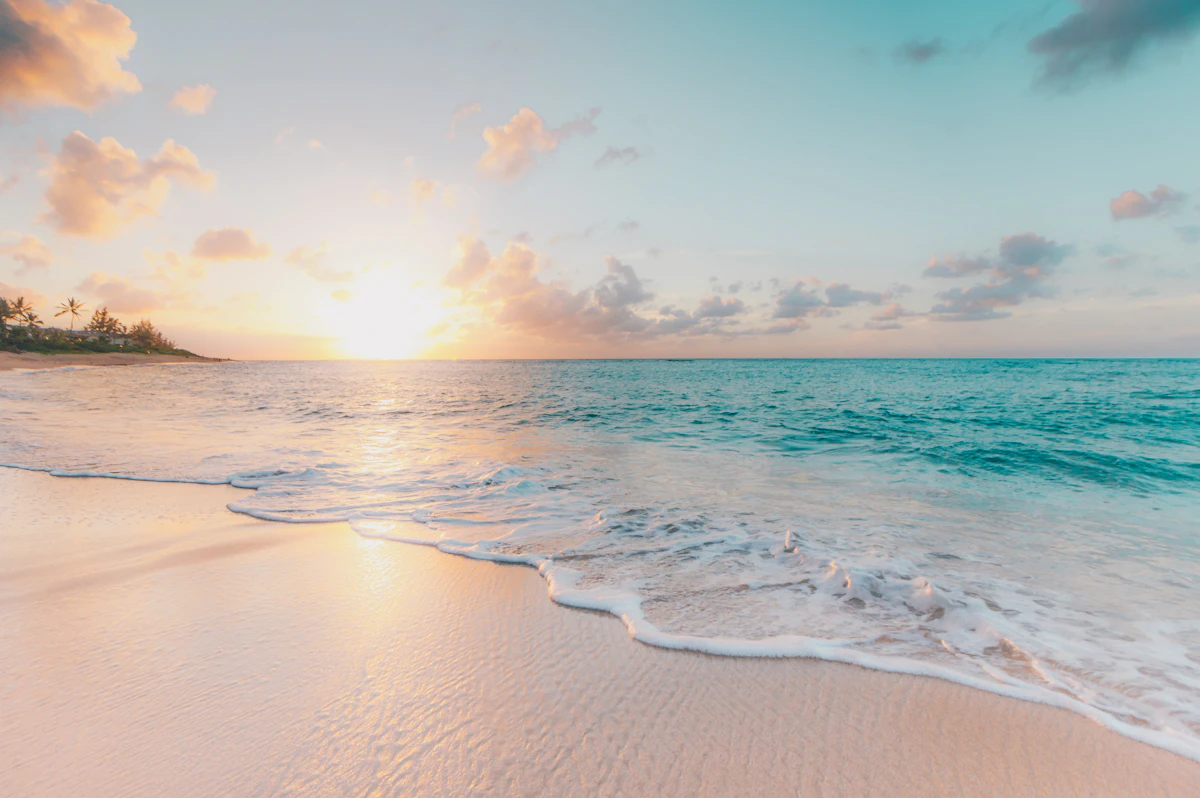
The Tottori Sand Dunes don't simply end at a postcard viewpoint—they tumble directly into the Sea of Japan, creating a beach that feels more Saharan than coastal. You descend slopes that shift under your feet, each gust reshaping the ridgelines overhead, until the sand hardens where waves polish it flat twice daily. Marram grass clings to the upper beach in defiant tufts. The water here runs cold even in summer, fed by currents that sweep down from Siberia. Locals arrive before dawn with casting rods, targeting flounder and black sea bream in the troughs. By midmorning, the wind picks up, carving fresh patterns across the beach and erasing your footprints within minutes. Photographers chase the interplay of shadow and light across the dune faces, particularly in late afternoon when the sand glows amber. But step into the surf and you'll feel the true character of this coast—the pull of undertow, the salt sting on your lips, the sense that this beach exists independent of tourism, shaped entirely by wind and tide.
Places, rentals, tours and events within walking and driving distance of Coastal Dune Edge Beach (Hokuei).
Photos
Swimming conditions vary with weather and season. The beach sits along the Tottori coast where currents can be strong, especially during winter months. There are typically no lifeguards at this overlooked location, so exercise caution. Check local weather conditions before visiting. The Sea of Japan can be unpredictable, with waves and undertows. Summer months generally offer calmer waters, but always assess conditions upon arrival. If you're unfamiliar with the area, stay close to shore and never swim alone.
This beach can be visited year-round, each season offering different experiences. Summer (July-August) provides warm weather for swimming and sunbathing. Spring and autumn offer milder temperatures ideal for photography and peaceful walks along the dunes. Winter brings dramatic seascapes but cold temperatures and rough seas. For Instagram-worthy shots of the dune landscape, golden hour during sunrise or sunset provides the best lighting. Weekdays tend to be quieter than weekends, enhancing the beach's overlooked, hidden character.
The beach is located in Hokuei town, Tottori Prefecture, along the western coast. From JR Kurayoshi Station, local buses serve the coastal area, though schedules may be limited. Renting a car offers the most flexibility for reaching this hidden beach. The drive from Tottori city takes approximately 45 minutes. From Yonago Airport, allow about one hour by car. Limited parking is typically available near the beach access points. Public transportation may require walking from bus stops, so check current routes and schedules before departure.
Being an overlooked, hidden beach, facilities directly at the site are limited. Hokuei town offers local restaurants, convenience stores, and small eateries serving regional cuisine including fresh seafood. For accommodation, options range from business hotels to traditional ryokan inns in Hokuei and nearby Kurayoshi city. Yurihama town, known for its hot springs, is also nearby and provides lodging options. Plan to bring your own food and drinks if spending the day at the beach, as beachside vendors are uncommon in this quiet area.
This beach offers a distinctive perspective on the famous Tottori Sand Dunes region, providing a less-crowded alternative to the main tourist areas. The dune landscape meets the sea creating dramatic, photogenic scenery perfect for Instagram. Unlike the heavily visited central dunes, this edge location remains relatively overlooked by tourists, offering tranquility and natural beauty without crowds. The combination of sandy beach, dune formations, and coastal views provides a unique setting for photography, nature walks, and peaceful contemplation of Japan's largest dune system.