Counting the waves…
Counting the waves…
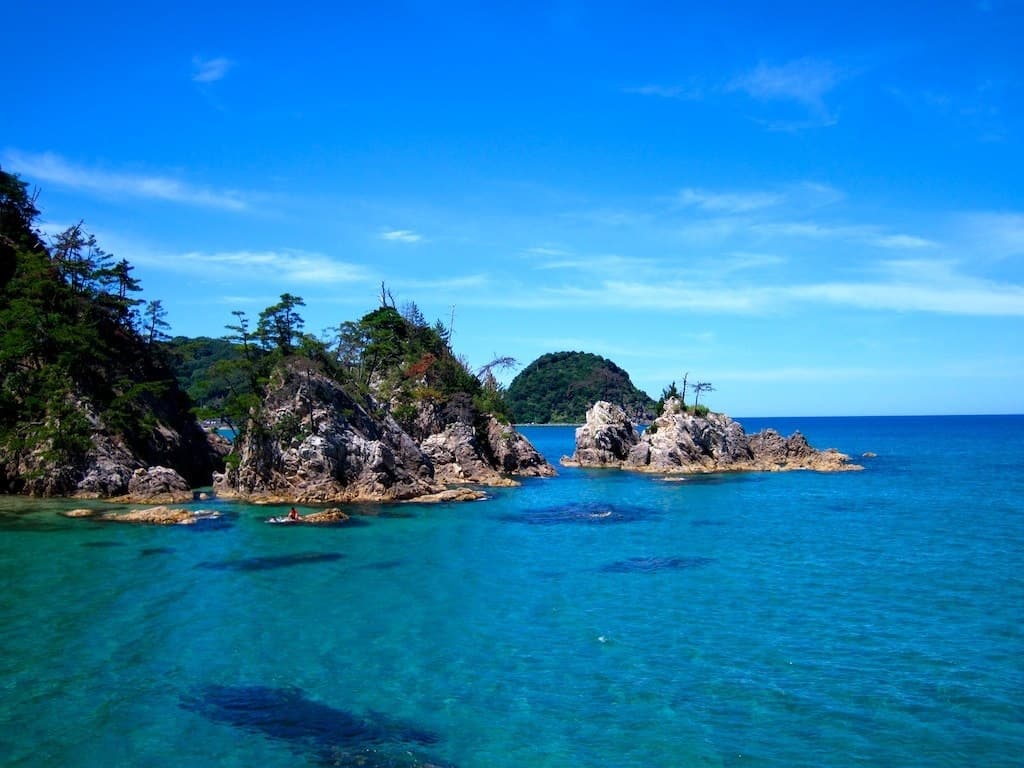
The beach extends for nearly a kilometer, wide enough that even on crowded summer weekends you can find space between encampments. The sand is fine and pale, the kind that squeaks underfoot when dry and packs firm when wet. Dunes rise behind the beach, stabilized by beach grass that hisses in the constant breeze, and wooden walkways cross them at several points, connecting parking areas to the shore. Waves arrive throughout the day with enough regularity that surf schools have set up operations at the northern end, where instructors in rash guards push beginners into waist-high foam. Farther south, away from the lessons, the waves break cleaner, offering short but genuine rides for intermediate surfers who don't need perfection, just something rideable. The sandbar shifts seasonally, but locals know where to expect the best shape during each swell direction. Multiple beach houses operate along the upper beach, renting everything from umbrellas to bodyboards to those floating donuts that kids beg for. Showers work reliably. Bathrooms are maintained. There's even a small restaurant that serves surprisingly good yakisoba and cold beer. Higashihama doesn't pretend to be undiscovered—it's a functioning beach that accommodates many uses simultaneously without feeling chaotic.
Places, rentals, tours and events within walking and driving distance of Higashihama Beach.
Photos
Higashihama Beach is suitable for both swimming and surfing, with its wide sandy expanse accommodating different water activities. The beach's surf tag indicates wave conditions that attract surfers, particularly during certain seasons and wind conditions. Families can swim in calmer areas, though always check daily conditions as waves can vary. The spacious beach allows for separation between swimmers and surfers. Standard ocean safety practices apply—respect flags, stay aware of currents, and never swim alone or in rough conditions.
Higashihama Beach is suitable for visits anytime during the year, offering different experiences across seasons. Summer (July-August) provides the warmest water for swimming and busiest beach atmosphere. Spring and autumn offer milder weather perfect for beach walks and surfing when swells can be favorable. Winter visits are possible for scenic coastal walks, though swimming is not recommended. Surfers should research seasonal wave patterns, as conditions vary throughout the year along the San'in coast.
Higashihama Beach is located in Iwami, along Tottori's eastern coastline. Driving from Tottori city takes approximately 30-40 minutes via Route 9 heading east. The beach is accessible by taking the JR San'in Line to Iwami Station, followed by a taxi or local bus. A car provides the most flexibility for beach access and exploring the area. Look for local signage directing you to the beach once in Iwami town. Parking is typically available near the beach area.
Higashihama Beach has basic facilities, with more extensive options in Iwami town nearby. Local restaurants serve fresh seafood and traditional Japanese meals within a short distance. Beach amenities during summer may include temporary food vendors or beach houses. Accommodation includes minshuku guesthouses and small hotels in Iwami. For greater variety, Tottori city offers numerous hotels, ryokan, and restaurants about 30 minutes away. Packing snacks and drinks for your beach day is advisable.
Higashihama Beach's defining feature is its extensive sandy shoreline, providing ample space for various beach activities without feeling crowded. The wide beach allows families to spread out comfortably, surfers to access waves easily, and beachgoers to find their own space. This spaciousness creates a more relaxed atmosphere compared to smaller beaches. The broad sandy area is also excellent for beach games, picnics, and leisurely walks along the shore. The openness offers unobstructed coastal views characteristic of the San'in region.