Counting the waves…
Counting the waves…
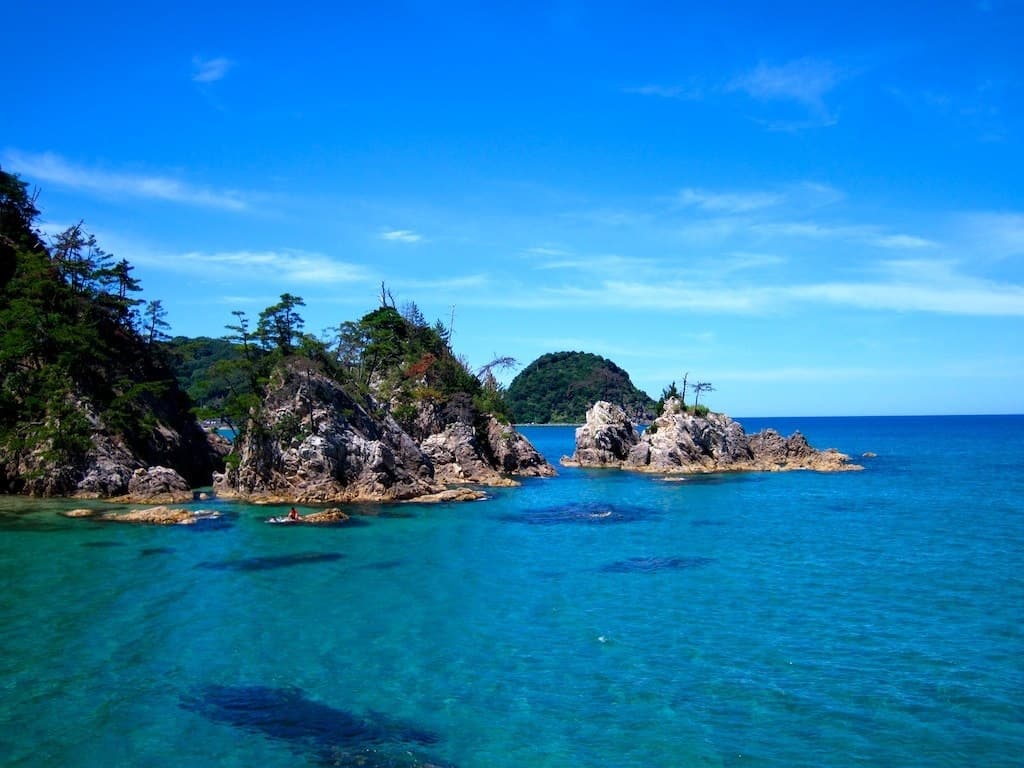
You spread your towel on sand the color of bone, each grain a polished sphere of quartz that reflects the morning sun. Unlike the gray volcanic beaches that dominate this coastline, Shirahama's pale sweep came from granite erosion in the Chūgoku Mountains, washed downstream and sorted by centuries of wave action. The sand is fine enough to brush cleanly from skin, coarse enough to provide traction when wet. Families stake territories near the lifeguard station, bright umbrellas blooming in rows by 9 a.m. Children dig channels that fill with each wave, their engineering projects doomed and rebuilt hourly. The water entry is so gradual you can walk fifty paces before it reaches your waist. On windless days, the surface becomes a turquoise mirror, showing every ripple in the sandy bottom. Locals arrive with coolers and pop-up tents, settling in for marathon sessions that last until the 5 p.m. lifeguard whistle. The beach stretches four hundred meters between rocky points, long enough to escape the crowds if you walk south toward the fishing hamlet. There, tetrapods form irregular barriers where teenagers leap and climb, their laughter carrying across the water. The shower facilities and changing rooms—maintained by the town—smell of chlorine and sun-warmed concrete. By evening, the beachcombers appear, scanning the high-tide line for glass floats and driftwood sculpted smooth.
Places, rentals, tours and events within walking and driving distance of Shirahama Beach (Iwami).
Photos
Shirahama Beach is excellent for families, featuring calm, shallow waters ideal for young children to wade and play safely. The clean white sand is perfect for building sandcastles and beach games. During summer, lifeguards are typically on duty during designated hours. The gentle slope of the beach allows parents to easily supervise children in the water. Facilities including restrooms and rinse-off areas are available. The beach's relatively calm nature and family-friendly atmosphere make it a popular choice for local families during summer holidays.
The best weather at Shirahama Beach typically occurs from late June through early September, with July and August offering the warmest temperatures and calmest seas for swimming. These months see temperatures ranging from 25-30°C with relatively low rainfall. May and September can also be pleasant with fewer crowds, though water may be cooler. Avoid the rainy season in June, which can bring overcast skies and precipitation. Winter months are generally too cold for swimming, with strong winds and rough seas common along this coast.
From Tottori Station, take the JR San-in Line to Iwami Station, which takes approximately 15-20 minutes. From there, Shirahama Beach is about 10 minutes by taxi or local bus. If driving, take Route 9 east from Tottori city toward Iwami; parking is available near the beach. From Osaka or other distant cities, take the Super Hakuto Limited Express to Tottori Station first, then transfer to local trains. The total journey can take several hours from major cities, so plan accordingly and check train schedules.
Iwami town offers several small restaurants and cafes serving local seafood and Japanese cuisine, though options are more limited than in larger cities. Some beachside facilities operate during summer months. For accommodations, you'll find modest business hotels and traditional minshuku guesthouses in Iwami town, providing basic but comfortable lodging. Larger hotels and more diverse dining are available in nearby Tottori city. Many visitors choose to day-trip from Tottori or bring picnic supplies for beach outings, especially during peak season when local eateries can be busy.
Shirahama Beach's white sand is notably clean and fine-grained, creating an attractive contrast with the blue Sea of Japan waters. The sand's light color and quality make it particularly pleasant for barefoot walking and beach activities. This clean, white sand is less common along the Tottori coast compared to the famous sand dunes, making Shirahama stand out. The beach is well-maintained, with regular cleaning helping preserve the sand's pristine appearance. This characteristic makes it popular for beach photography and gives it a somewhat tropical appearance despite its northern location.