Counting the waves…
Counting the waves…
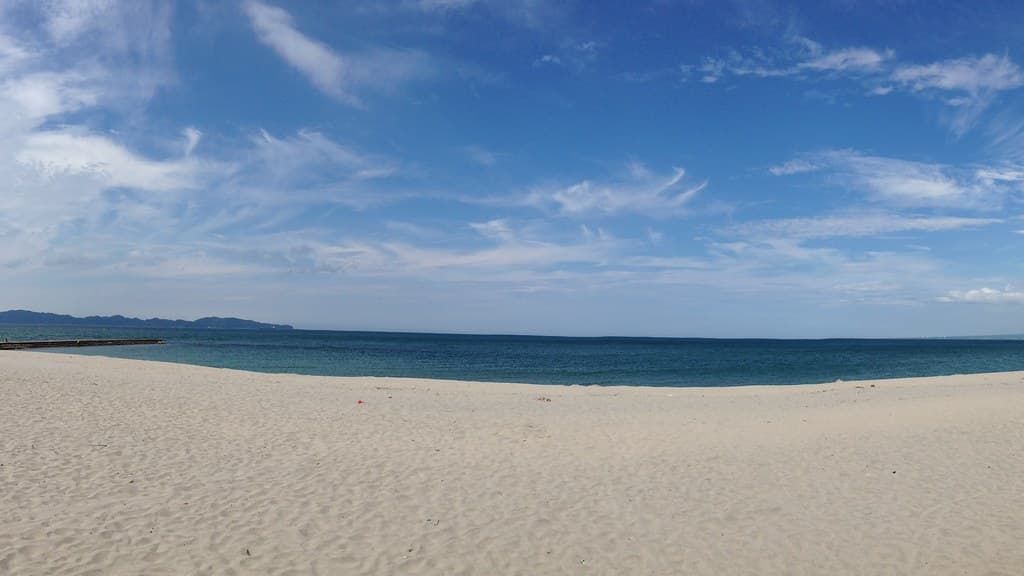
The sandbar feels almost implausible in scale: a narrow peninsula carrying the beach, a highway, and the towns strung along it like beads on a thread. On one side, the Sea of Japan rolls in with enough force to build actual waves; on the other, the sheltered waters of Nakaumi Lake barely ripple. You can walk from surf to calm in under five minutes, crossing the width of the entire landform. Summer brings beach huts painted in faded primary colors, their owners grilling squid and corn over charcoal. The sand runs dark here, almost charcoal grey where it's wet, heating quickly under July sun. Pine windbreaks punctuate the beach at intervals, planted decades ago to anchor the dunes. Locals know the best access points—gaps in the development where the sand runs widest and the crowds thin to nothing. Sunset is the daily event that pauses traffic along the coastal road. The sun drops into the Sea of Japan, turning the wet sand into a mirror, silhouetting Mount Daisen's cone against orange and pink strata. Couples park at the designated viewpoints, but the real show happens at beach level, where the last light catches spray from breaking waves and sets it glowing. The iconic vista that fills Tottori tourism brochures isn't exaggerated—it genuinely looks like this, most evenings, provided the clouds cooperate.
Places, rentals, tours and events within walking and driving distance of Yumigahama Beach.
Photos
Yumigahama Beach is generally safe and family-friendly, with a long sandy coastline providing plenty of space for various activities. During peak summer season (July-August), designated swimming areas typically have lifeguard supervision. The beach's gentle slope and sandy bottom make it suitable for children, though parental supervision is always essential. Ocean conditions can vary, so check local warnings and weather before swimming. The expansive beach means families can find comfortable spots away from crowds. Facilities including restrooms and seasonal beach houses operate during summer, enhancing safety and convenience for families visiting this iconic Tottori coastline.
Yumigahama Beach is enjoyable year-round, with different seasonal appeals. Summer (June-September) is peak season for swimming with warmest water temperatures. The beach is famous for spectacular sunsets, making late afternoon visits rewarding in any season. Spring and autumn offer pleasant temperatures for beach walks and photography along the iconic sandbar coastline without summer crowds. Winter provides dramatic coastal scenery and sunset views, though it's too cold for swimming. The beach's unique curved sandbar geography creates stunning views throughout the year. Visit weekdays to avoid weekend crowds, especially during July-August peak season.
Yumigahama Beach is located in Yonago, Tottori Prefecture. From Tokyo or Osaka, take the Shinkansen to Yonago Station (approximately 3.5-4.5 hours from Osaka). From Yonago Station, the beach is accessible by local bus or taxi, roughly 15-20 minutes depending on which section you visit, as the beach stretches for several kilometers. Rental cars offer the most flexibility for exploring different areas of this extensive coastline. Bicycles can be rented in Yonago for a scenic ride to the beach. The area is reasonably well-connected, making it more accessible than remote Tottori beaches.
Yumigahama Beach area and nearby Yonago city offer diverse accommodation options including hotels, business hotels, and traditional ryokan. The nearby Kaike Onsen resort area (along the same coastline) provides hot spring hotels with ocean views. Seasonal beach houses operate during summer offering casual food and refreshments. Yonago city has numerous restaurants serving local Tottori cuisine, fresh seafood, and various dining options from casual to upscale. Convenience stores are available for supplies. Some beachfront areas have cafes and eateries with ocean views. The combination of beach access and city proximity provides good variety for dining and lodging.
Yumigahama Beach is famous for its distinctive bow-shaped (yumi means bow) sandbar coastline stretching approximately 17 kilometers, creating a uniquely beautiful curved shoreline visible from elevated viewpoints. This iconic geography makes it one of Tottori's most recognizable natural features. The beach offers stunning sunset views over the Sea of Japan with Mount Daisen often visible in the background, creating postcard-worthy scenery. The expansive sandy beach provides a relaxed, spacious atmosphere different from crowded urban beaches. Its combination of natural beauty, photographic appeal, accessibility, and family-friendly environment makes it a must-visit destination in Tottori Prefecture.