Counting the wavesβ¦
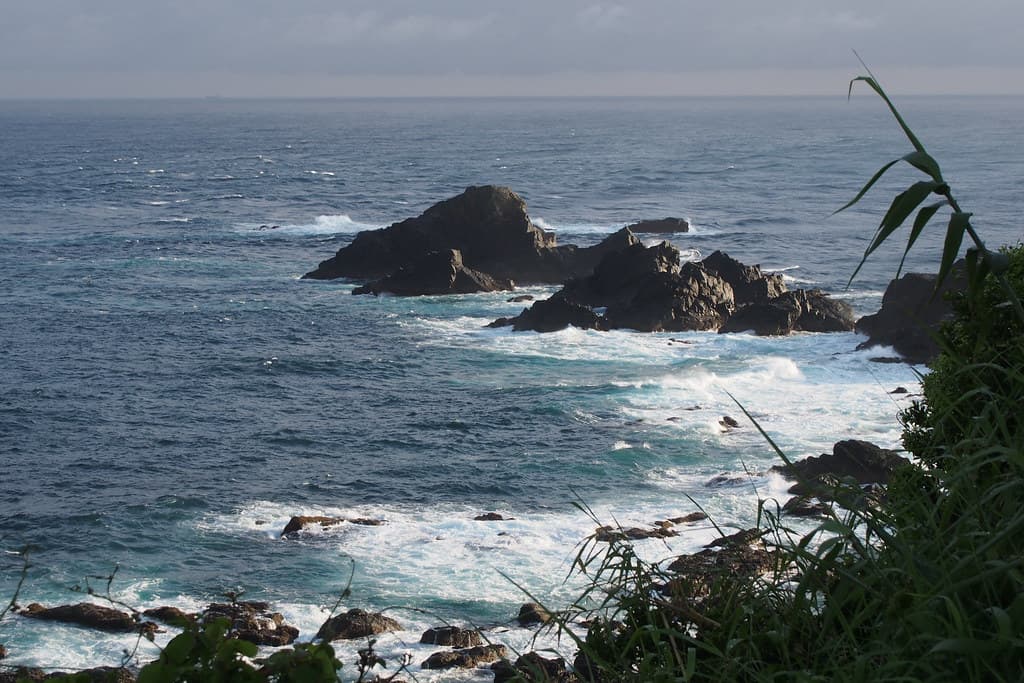
At Cape Shionomisaki Cove, the land gives way to the sea in a spectacular display of geological artistry. Jagged rock formations, sculpted by millennia of wind and waves, frame a small, pebbled shore where the Pacific's power is palpable. You'll feel a profound connection to nature's forces as the salt spray mists your face and the gulls cry overhead. This isn't a beach for sunbathing, but for contemplation and awe. The dramatic cliffs that embrace the cove offer vantage points for observing the ocean's relentless rhythm, a stark contrast to the gentle lapping of more sheltered shores. It's a place where you can truly disconnect, letting the grandeur of the natural world wash over you. As the day wanes, the cove transforms into a prime location for witnessing a spectacular sunset. The sky ignites with fiery hues, casting long shadows across the rugged landscape and painting the water in shades of gold and crimson. Itβs a moment of quiet majesty, a fitting end to a day spent immersed in Wakayama's wild beauty.
Places, rentals, tours and events within walking and driving distance of Cape Shionomisaki Cove.
Photos
Swimming at Cape Shionomisaki Cove requires caution due to its exposed location at Japan's southernmost point on Honshu. The rocky cove experiences strong currents, particularly during tide changes and rough weather. The uneven, rocky bottom and lack of sandy entry make swimming challenging. This is not a designated swimming beach and lacks lifeguards or safety facilities. Most visitors come for scenery rather than water activities. If you do enter the water, only do so during calm conditions, stay close to rocks, and be mindful of waves and currents around the cape.
Visit during spring (April-May) or autumn (September-November) for comfortable weather and excellent visibility for photography. These seasons offer clear days ideal for appreciating the rugged coastal scenery and sunset views. Summer brings warmth but can be humid and occasionally hazy. Winter provides dramatic seascapes with crashing waves but cooler temperatures and stronger winds. Late afternoon visits are particularly rewarding when golden light illuminates the cliffs and the sun sets over the Pacific. Avoid visiting during typhoon season or stormy weather when the exposed cape becomes dangerous.
The cove is located near Cape Shionomisaki Lighthouse, the southernmost point of Honshu. From Kushimoto Station, take a local bus toward Shionomisaki or drive via Route 42 following signs to the cape. The journey takes approximately 20-30 minutes by car. Limited parking is available near the lighthouse. Access to specific coves may require short walks along coastal paths and careful navigation over rocks. Public transportation is infrequent, making rental cars the most practical option. The cape area is compact enough to explore on foot once you arrive.
The immediate cape area is quite remote with minimal commercial development. A few small shops and basic eateries exist near the lighthouse, but options are limited. Plan to bring your own refreshments for a cove visit. The town of Kushimoto, a short drive away, offers more substantial dining including seafood restaurants featuring local catches. Accommodation is primarily in Kushimoto town, with minshuku guesthouses, small hotels, and ryokan available. The area emphasizes natural beauty over tourist infrastructure, so expectations should be adjusted accordingly for this authentic, undeveloped destination.
The cove's location at Japan's southernmost point on Honshu creates dramatic coastal scenery with towering cliffs, layered rock formations, and powerful ocean vistas. The rugged geology produces interesting textures and shapes ideal for landscape photography. Sunset views looking west across the Pacific create spectacular golden-hour opportunities. The historic lighthouse adds a cultural element to compositions. The area's relative isolation means less light pollution for stargazing photography. The combination of geographical significance, raw natural beauty, and lack of commercial development makes it a photographer's dream for capturing authentic coastal wilderness.