
Counting the waves…
Counting the waves…
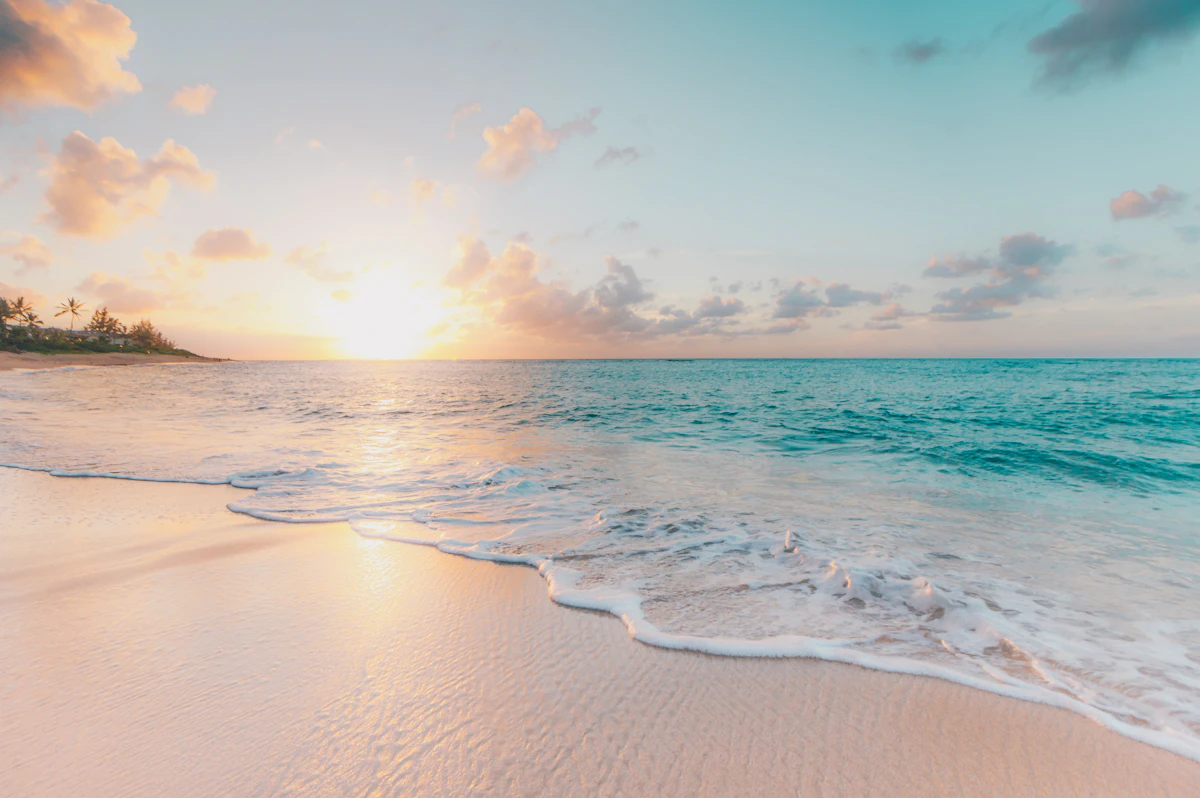
The descent to Iimoriyama Hidden Cove is not advertised. You park near the shrine, walk past weathered fishing nets drying on rocks, and follow a faint track that disappears between boulders. The path demands your full attention—loose stones, exposed roots, a rope bolted into volcanic rock where the grade steepens. Then the cliffs part, and you're standing on a crescent of charcoal sand no wider than a tennis court. The cove faces northwest into the Japan Sea, its walls of columnar basalt rising like organ pipes on either side. At low tide, tide pools collect in the fractured rock, harboring purple sea urchins and rust-colored anemones. The water churns white where it funnels through the entrance, then smooths to jade in the shallows. In winter, you might share the beach with a single fisherman; in summer, with no one at all. Above the cove, pines cling to the clifftop, their roots exposed like fingers gripping stone. The wind here carries salt and the faint mineral smell of seaweed baking on basalt. When you leave, you'll find sand in your shoes—not the white kind from postcards, but the dark, iron-rich grains that mark every beach along the Shonai coast, a reminder that this corner of Japan was built by fire and shaped by water.
Places, rentals, tours and events within walking and driving distance of Iimoriyama Hidden Cove.
Photos
Swimming conditions at Iimoriyama Hidden Cove vary significantly by season and weather. The cove's secluded nature means limited lifeguard presence and facilities, so swimmers should exercise caution. Check local weather forecasts and sea conditions before entering the water. The cove can experience strong currents during certain tidal periods. It's advisable to swim only during calm conditions and never alone. Local authorities in Sakata can provide current safety information. Always prioritize safety when visiting remote coastal locations, especially those without regular supervision or emergency services nearby.
Iimoriyama Hidden Cove can be visited year-round, with each season offering distinct experiences. Summer (June-August) provides warmest weather for swimming, though it can be humid. Spring and autumn offer pleasant temperatures and fewer visitors, ideal for scenic exploration and photography. Winter visits reveal dramatic coastal landscapes, though swimming is not recommended due to cold water temperatures. Weather in Yamagata can be unpredictable, so check forecasts before traveling. Early mornings and weekdays typically offer the most peaceful experience at this secluded location, regardless of season.
Accessing Iimoriyama Hidden Cove typically requires private transportation, as public transit options to this secluded spot are limited. From Sakata city center, the cove is reachable by car, though roads may be narrow and winding as you approach coastal areas. Due to its hidden nature, signage may be minimal, so GPS navigation or detailed local maps are recommended. Parking availability varies and may be limited or informal near the cove entrance. Contact Sakata tourism office for specific directions and current access conditions, as routes to secluded beaches can change seasonally.
As a hidden cove, Iimoriyama has minimal on-site facilities or immediate amenities. Visitors should bring their own food, water, and supplies. The nearest restaurants, convenience stores, and services are likely in Sakata city proper, several kilometers away. Public restrooms may not be available at the cove itself. For accommodations, Sakata offers various hotels, ryokans, and guesthouses suitable for different budgets. It's essential to prepare adequately before visiting, treating this as a remote destination. Pack out all trash to preserve the cove's natural beauty and environment.
Iimoriyama Hidden Cove's primary appeal lies in its secluded, untouched character, offering an escape from crowded tourist beaches. The cove provides scenic coastal views characteristic of Yamagata's dramatic shoreline, with opportunities for quiet reflection, nature photography, and peaceful exploration. Its hidden location means fewer visitors and a more intimate connection with the natural environment. The cove appeals particularly to travelers seeking off-the-beaten-path experiences rather than developed beach resorts. However, this remoteness requires self-sufficiency and respect for the natural setting, making it ideal for adventurous, nature-focused travelers.