Counting the waves…
Counting the waves…
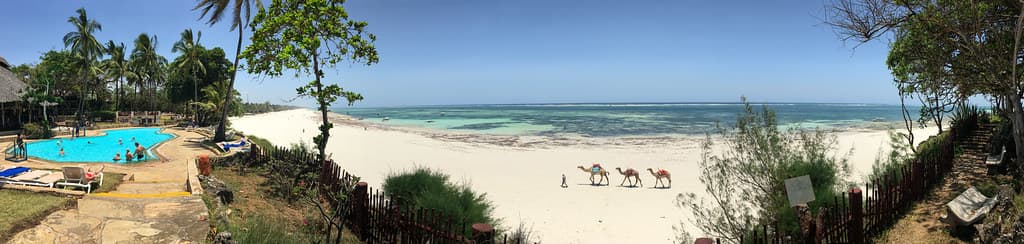
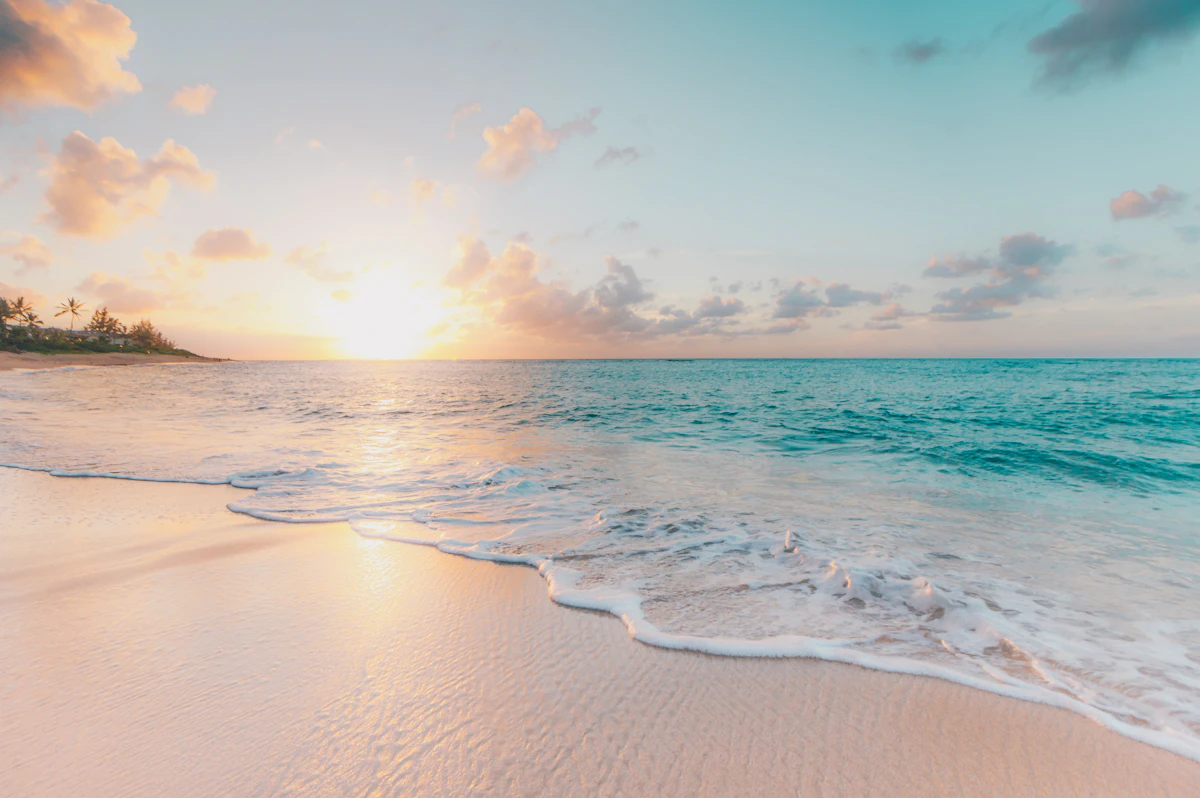
Gazi Beach is not a manicured resort front; it's a living, breathing part of a local community. Here, the sand bears the imprints of daily life: fishing nets drying in the sun, children playing near the water's edge, and dhows returning with the day's catch. The air is a mix of salt, sea, and the subtle scent of cooking fires, offering a sensory experience far removed from typical tourist hubs. The beach itself is a sandy expanse that gently slopes into the calm waters of Gazi Bay. It's a place for quiet contemplation, for watching the ebb and flow of the tide, and for observing the timeless traditions of coastal living. You might see local women gathering shellfish or fishermen mending their boats, offering a window into the authentic rhythms of the region. As evening approaches, Gazi Beach truly comes alive with color. The sunsets here are legendary, painting the sky in fiery oranges, deep purples, and soft pinks that reflect on the tranquil bay waters. It's a moment of collective pause, where locals and visitors alike gather to witness nature's grand finale. Gazi Beach offers a soulful connection to the Kenyan coast, a place where simplicity and natural beauty reign.
Places, rentals, tours and events within walking and driving distance of Gazi Beach.
Photos
Gazi Beach offers a relatively safe, shallow swimming environment at low tide, making it suitable for families with children. The gentle slope and village atmosphere create a relaxed setting, though facilities are minimal. The beach is less developed than resort areas, so supervision is essential. Coral fragments and sea urchins can be present in some areas, so protective footwear is recommended. Local fishermen are active and generally helpful. There are no lifeguards, so parents must remain vigilant. The calm village setting and absence of commercial water sports contribute to a peaceful family environment.
Gazi Beach remains quiet year-round due to its off-the-beaten-path location, making any time suitable for those seeking tranquility. The driest and most comfortable months are October through March, with December to February offering ideal beach weather. April and May bring heavier rains but also the lowest visitor numbers and lush green landscapes. Weekdays are quieter than weekends when some Kenyan day-trippers may visit. The shoulder months of June and September offer good weather with budget-friendly accommodation rates. Unlike Diani, Gazi never experiences significant crowding, preserving its authentic village beach character.
Gazi Beach is located approximately 20 kilometers south of Diani Beach along the coastal road. From Diani, the journey takes about 30–40 minutes by car or taxi on a mix of paved and murram roads. Public matatus run between Ukunda and Gazi throughout the day, offering an affordable option. From Mombasa, cross the Likoni Ferry and continue south for about 50 kilometers (1.5–2 hours total). The turn-off to Gazi village is signposted from the main coastal highway. Road conditions can deteriorate during heavy rains, and navigation may require local assistance for first-time visitors.
Gazi offers basic accommodation in village guesthouses and a few small eco-lodges that focus on the nearby mangrove boardwalk and community tourism. Options are simple and authentic rather than luxurious. Local restaurants serve traditional Swahili cuisine, fresh seafood, and Kenyan staples like ugali and fish. Meals are typically prepared to order, so patience is appreciated. The nearby Gazi Women's Boardwalk project sometimes arranges community meals. For more dining variety, Diani is a short drive north. Advance booking is recommended for lodging, especially during holidays, as capacity is limited compared to resort areas.
Gazi Beach stands out for its authentic village atmosphere and proximity to the Gazi–Funzi mangrove ecosystem, one of Kenya's most important coastal wetlands. The community-run mangrove boardwalk offers educational walks highlighting carbon sequestration and marine nursery habitats. Gazi provides genuine cultural immersion with fishing villages, traditional dhows, and local daily life largely unaffected by mass tourism. The beach offers access to the scenic Funzi Bay landscape and remains remarkably uncommercialized. Sunset views over the mangrove-fringed coastline create distinctive photographic opportunities. Visiting Gazi supports community-based conservation efforts and responsible coastal tourism.