

Counting the waves…
Counting the waves…

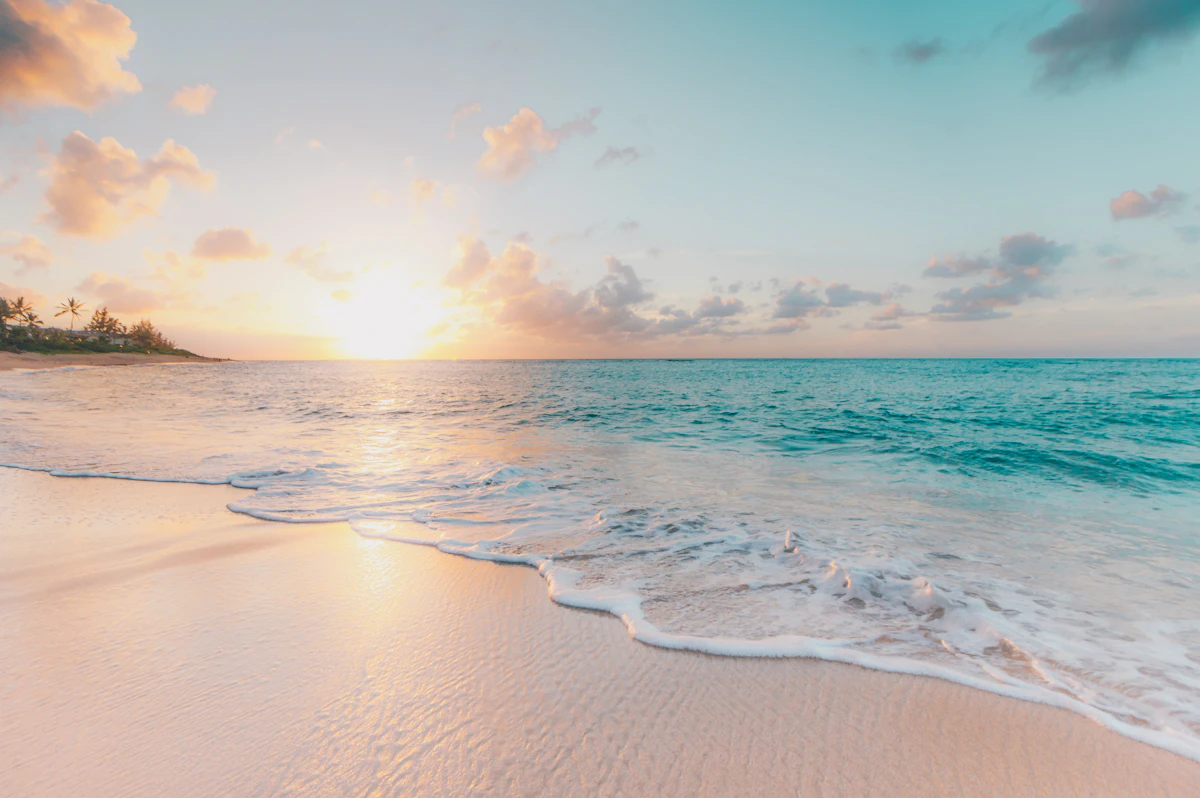
Kipungani Beach is more than just a stretch of sand; it's a living tapestry woven with the threads of Swahili culture and untouched natural beauty. As you step onto its pristine expanse, the air fills with the subtle scent of salt and mangrove, a testament to its wild, untamed character. The beach curves gracefully, offering long, uninterrupted walks where your only companions might be a few local fishermen or a flock of shorebirds. Days here are defined by the sun's arc and the ocean's ebb and flow. Spend your mornings exploring the nearby Kipungani village, where traditional dhows are still crafted by hand, and the rhythm of daily life unfolds with a timeless grace. The villagers, with their warm smiles and welcoming spirit, offer a genuine glimpse into the heart of the Lamu archipelago. Afternoons are perfect for swimming in the warm, clear waters or simply lounging on the sand, lulled by the gentle lapping of waves. As dusk descends, Kipungani transforms. The sky ignites with a spectacular sunset, painting the horizon in hues of orange, pink, and purple, reflecting brilliantly off the calm ocean surface. This daily spectacle, coupled with the profound quietude, makes Kipungani an unforgettable retreat for those seeking both tranquility and a deep connection to a rich cultural heritage.
Places, rentals, tours and events within walking and driving distance of Kipungani Beach.
Photos
Kipungani Beach is generally safe for families, offering calm waters and gentle slopes ideal for children. The southwest location on Lamu Island provides some shelter from strong winds and currents. The beach's secluded nature means fewer crowds and a peaceful environment. However, there are no lifeguards, so adult supervision is essential. The historic Swahili village setting is culturally enriching for families. Check tide schedules as some areas become very shallow at low tide. Basic safety precautions and sun protection are important given the remote, low-key nature of facilities in the area.
The ideal time to visit Kipungani Beach is during the dry seasons: late December through March and July through October. These periods offer the best weather with sunny skies, minimal rainfall, and comfortable temperatures for beach activities and sunset watching. The shoulder months also provide fewer crowds, which suits the beach's secluded character. The Kaskazi season (December-March) tends to have calmer conditions perfect for swimming and sunbathing. Avoid the long rains (April-May) when heavy precipitation can limit beach enjoyment and accessibility around the historic village.
Kipungani Beach is located at the southwestern end of Lamu Island, accessible by dhow, motorboat, or on foot along the beach from Shela. The boat journey from Lamu town takes approximately 30-45 minutes depending on conditions and your specific destination. Many visitors walk along the beach from Shela village, which takes about 90 minutes to two hours through scenic coastal landscape. Local dhows can be arranged through hotels or at the waterfront. There are no roads or vehicles on Lamu Island, making boat the most practical option, especially with luggage.
Kipungani Beach offers limited but quality accommodation, primarily small eco-lodges and guesthouses that blend with the historic Swahili village setting. Properties tend to be intimate, often family-run, emphasizing traditional architecture and local hospitality. Dining typically centers on your accommodation, with fresh seafood and Swahili cuisine featuring prominently. The village has basic local eateries, though options are modest compared to Lamu or Shela. Most lodges arrange meals as part of packages. The emphasis is on authentic, simple experiences rather than extensive resort amenities, suiting travelers seeking cultural immersion.
Kipungani Beach stands out for its authentic Swahili village atmosphere combined with natural seclusion at Lamu Island's southwestern tip. Unlike busier Shela Beach, Kipungani retains a traditional, unhurried character where you can experience local coastal life. The historic village setting provides cultural depth often missing at more developed beaches. Long stretches of sand offer solitude and spectacular sunset views across the channel. The beach serves as a gateway to understanding traditional Swahili maritime culture while enjoying peaceful seaside relaxation, blending heritage tourism with natural beauty in a uniquely intimate setting.