Counting the wavesβ¦

The name translates to "Rhythm Beach," and the cadence here is unmistakably domestic. Fathers wade knee-deep with fishing nets, mothers unwrap nasi dagang from banana leaves, and grandmothers nap in the shade of rented umbrellas while grandchildren bury their legs in warm sand. The shoreline stretches wide and forgiving, gentle enough for hesitant swimmers, punctuated by wooden fishing boats painted turquoise and ochre that rest between morning hauls. By late afternoon, the light softens to honey. Volleyball nets spring up near the treeline, and vendors wheel carts loaded with grilled squid and coconut water toward clusters of picnickers. The casuarinas sway in the onshore breeze, their needle-drop susurrus a counterpoint to pop music drifting from Bluetooth speakers. You'll notice how the families linger, no one rushing, as if the evening ferry schedule applies to everyone but them. When the sun finally drops, it does so without fanfareβa slow melt into the horizon that turns the wet sand into a mirror. Children chase the last light, their silhouettes small against the vastness. This is Bachok's living room, its weekend ritual, a beach that exists not for travelers passing through but for the people who return to it, week after week, because it holds their rhythms.
Places, rentals, tours and events within walking and driving distance of Pantai Irama Bachok.
Photos
Pantai Irama is generally considered family-friendly with calm, shallow waters near the shore, making it suitable for children to paddle and play. However, swimming conditions vary with tides and weather. The beach has a gentle slope and relatively calm waves compared to east coast beaches during non-monsoon seasons. Always supervise children closely, avoid swimming during rough seas or monsoon season (November to February), and check local conditions before entering the water. Weekends see more families and activity, which can provide additional peace of mind.
The best time to visit Pantai Irama is between March and October when the weather is dryer and seas are calmer. Avoid the monsoon season from November to February when heavy rain and strong winds can make beach activities unpleasant. For stunning sunset views, arrive in late afternoon, particularly on weekdays when crowds are smaller. Weekends and Malaysian public holidays see more local families, creating a lively atmosphere. Early mornings offer peaceful beach walks and cooler temperatures, ideal if you want to avoid midday heat.
Pantai Irama is located approximately 25 kilometers east of Kota Bharu city. By car, take Route 3 toward Bachok, then follow signs to Pantai Irama. The journey takes about 30-40 minutes from Kota Bharu. Public transportation options include taxis or ride-hailing services, as bus connections may be limited. Parking is available near the beach in designated areas, generally free or very affordable. The beach is accessible and well-signposted. If coming from outside Kelantan, fly into Sultan Ismail Petra Airport in Kota Bharu first.
Pantai Irama offers basic amenities including food stalls and small warungs selling local Kelantanese dishes, fresh coconuts, snacks, and drinks, particularly busy during weekends. You'll find local favorites like nasi dagang and grilled seafood. Facilities include prayer areas, basic restrooms, and shaded pavilions. For more extensive dining and accommodation options, head to nearby Bachok town or return to Kota Bharu where hotels and restaurants are plentiful. Bring cash as card payment may not be widely accepted at beach vendors. Consider bringing beach essentials like umbrellas and mats.
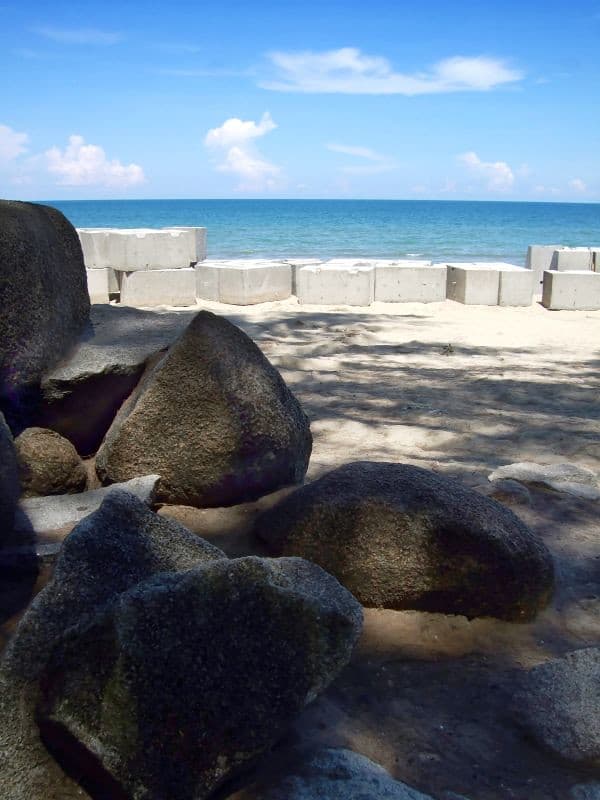
Pantai Irama, meaning 'Beach of Melody,' reportedly earned its name from the rhythmic sound of waves hitting the shore, though some say it's linked to cultural performances once held there. The beach is famous among locals for its relaxed, authentic Malaysian beach vibe without heavy commercialization. It's particularly beloved for picturesque sunsets and its role as a social gathering spot for Kelantanese families. The beach features casuarina trees providing natural shade and a long stretch of golden sand, offering a genuine local experience rather than a tourist-focused destination.