Counting the waves…
Counting the waves…
A refined fusion of water purity, environmental stability, and communal vibrancy for Bagan Pinang Beach.
View MethodologyAnalyzed via live sensors and environmental data.
Wave height, wind, and atmospheric stability.
Live footfall and crowd balance metrics.
Community reviews and curated sentiment.
“You'll find Bagan Pinang Beach tucked along Port Dickson's quieter middle stretch, where towering casuarina trees cast lace-pattern shade across ochre sand. Local families arrive by midmorning with coolers of teh tarik…”
Limited recent visitor reports — live OBI telemetry is your best guide for current conditions.
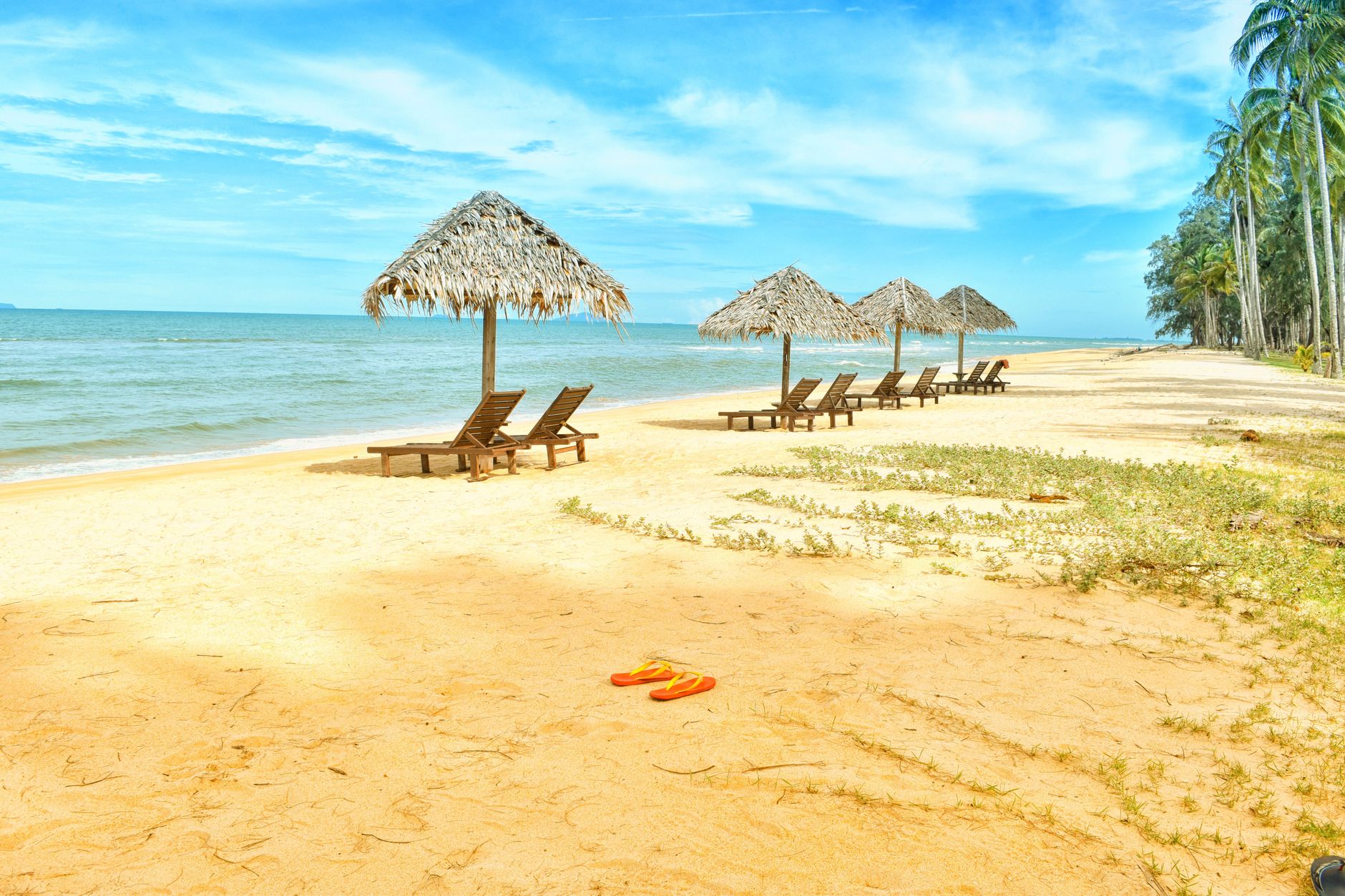
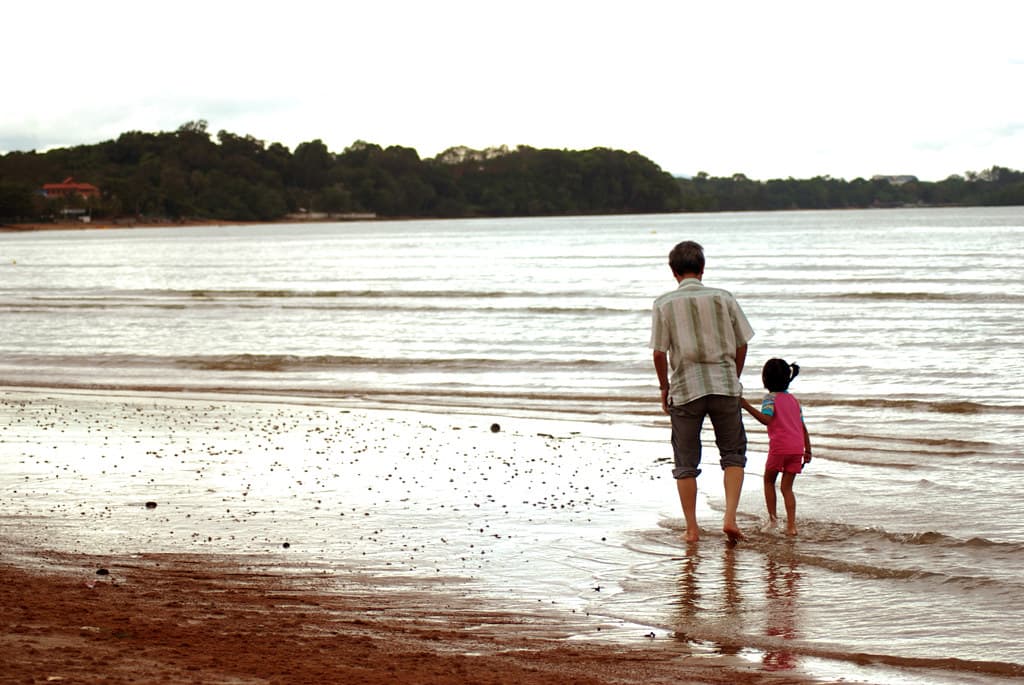
Pull off the coastal road and you're immediately beneath a canopy of casuarina pines that line Bagan Pinang like sentinels, their needle-thin leaves whispering in the sea breeze. The sand here runs golden-tan, firmer underfoot than the powdery stretches farther south, ideal for badminton games and toddlers learning to walk. You'll notice the water stays shallow for twenty meters out—warm, murky from river sediment, gentle enough that grandmothers wade in sarongs while children splash without fear.
Weekends bring an unmistakable rhythm: families colonize the shade with collapsible tents and portable speakers playing dangdut, the scent of grilled satay drifting from roadside stalls across the parking area. You won't find resort infrastructure here—just basic changing rooms, a few drink vendors, and the occasional ice-cream bicycle ringing its bell. The appeal is purely democratic: free access, ample parking beneath the trees, and a shoreline that asks nothing of you except to relax.
 Credit: Unsplash
a group of people standing on top of a beach next to the ocean
 Credit: Unsplash
bird's eye view of island
Calm water safe for toddlers
Grilled skewers by parking area
Dappled light through ironwood branches
Prime Visitation
casual
Where it is
Bagan Pinang Beach
Port Dickson, Negeri Sembilan, Malaysia
2.470400°, 101.849900°
Weather
Loading…
Swell
—
Temp
Warm · Restorative
UV Index
Moderate
Wind
—
Tidal State
Last known
Max Sunlight
—
Ideal Shade
—
Jan - Dec (Peak)
May - Nov (Off-season)
Historical data suggests peak visibility and stable sea temperatures occur during the prime visitation window.
Select a category to load nearby places.
Unlock restaurants, luxury stays and curated maritime experiences within 2km
Bagan Pinang Beach is generally safe for swimming, particularly for families with children. The waters are typically calm with gentle waves, making it suitable for casual swimming and wading. However, always exercise caution and supervise children closely. Check local conditions before entering the water, as currents can vary. The beach is popular with locals who frequently swim here. Lifeguard availability may be limited, so swim during daylight hours and stay in designated areas. Avoid swimming during monsoon season when conditions can be rougher.
The best time to visit Bagan Pinang Beach is during Malaysia's dry season from March to October, when you'll enjoy sunny weather and calmer seas. Weekdays are ideal for a quieter experience, as weekends and public holidays draw larger crowds of local families. Visit in the early morning or late afternoon to avoid peak heat and enjoy beautiful coastal views. The beach is accessible year-round, but avoid November to February when the northeast monsoon brings heavier rainfall and rougher seas, making swimming less pleasant.
Bagan Pinang Beach is located in Port Dickson, approximately 90 kilometers south of Kuala Lumpur. By car, take the North-South Expressway and exit at Port Dickson, then follow coastal road signs. The drive takes about 90 minutes from KL. Ample parking is available near the beach, typically free or at minimal cost. Public transportation options are limited, so driving is recommended. Alternatively, you can take a bus to Port Dickson town and then a short taxi ride to the beach.
Bagan Pinang Beach offers basic amenities including public toilets and shower facilities. You'll find local food stalls and small warungs selling Malaysian snacks, fresh coconuts, and simple meals, particularly on weekends. For more dining options, Port Dickson town center is nearby with restaurants serving seafood and local cuisine. Accommodation ranges from budget guesthouses to mid-range hotels along the Port Dickson coastline. Bring your own beach essentials as rental facilities may be limited. Convenience stores in the area provide supplies.
Bagan Pinang Beach attracts local families because it offers a relaxed, unpretentious beach experience away from more commercialized tourist areas. The shallow, calm waters make it ideal for young children to play safely. Locals appreciate the beach's authentic atmosphere, affordable access, and proximity to Kuala Lumpur for quick weekend getaways. Families often picnic under casuarina trees that provide natural shade along the beach. The area maintains a community feel where Malaysian families gather for leisure, making it a genuine slice of local beach culture.
Photos