
Counting the waves…
Counting the waves…

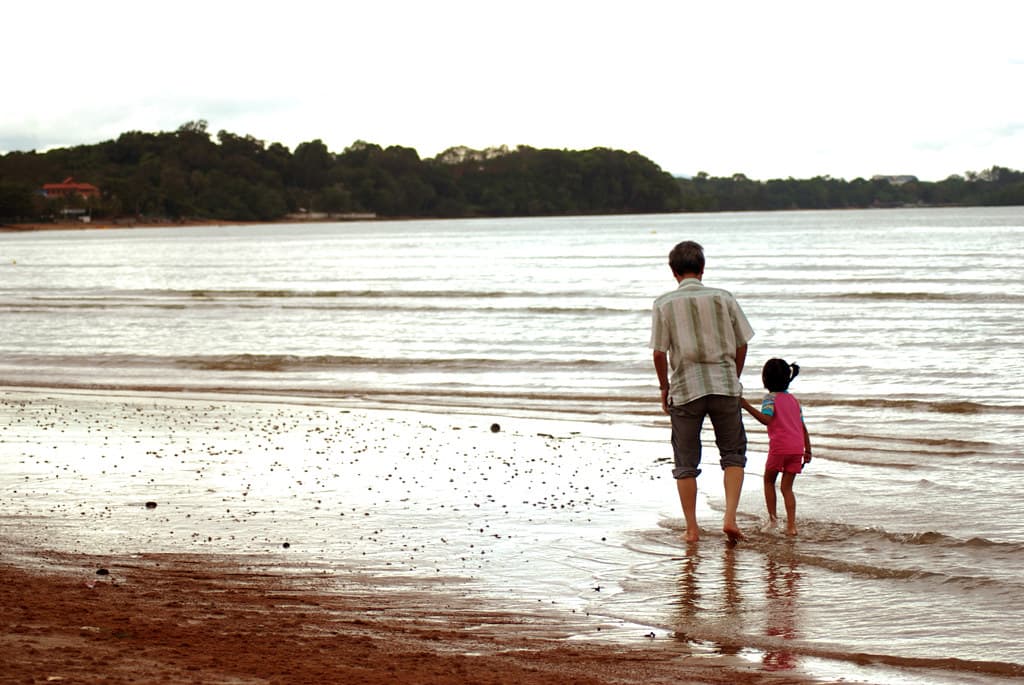
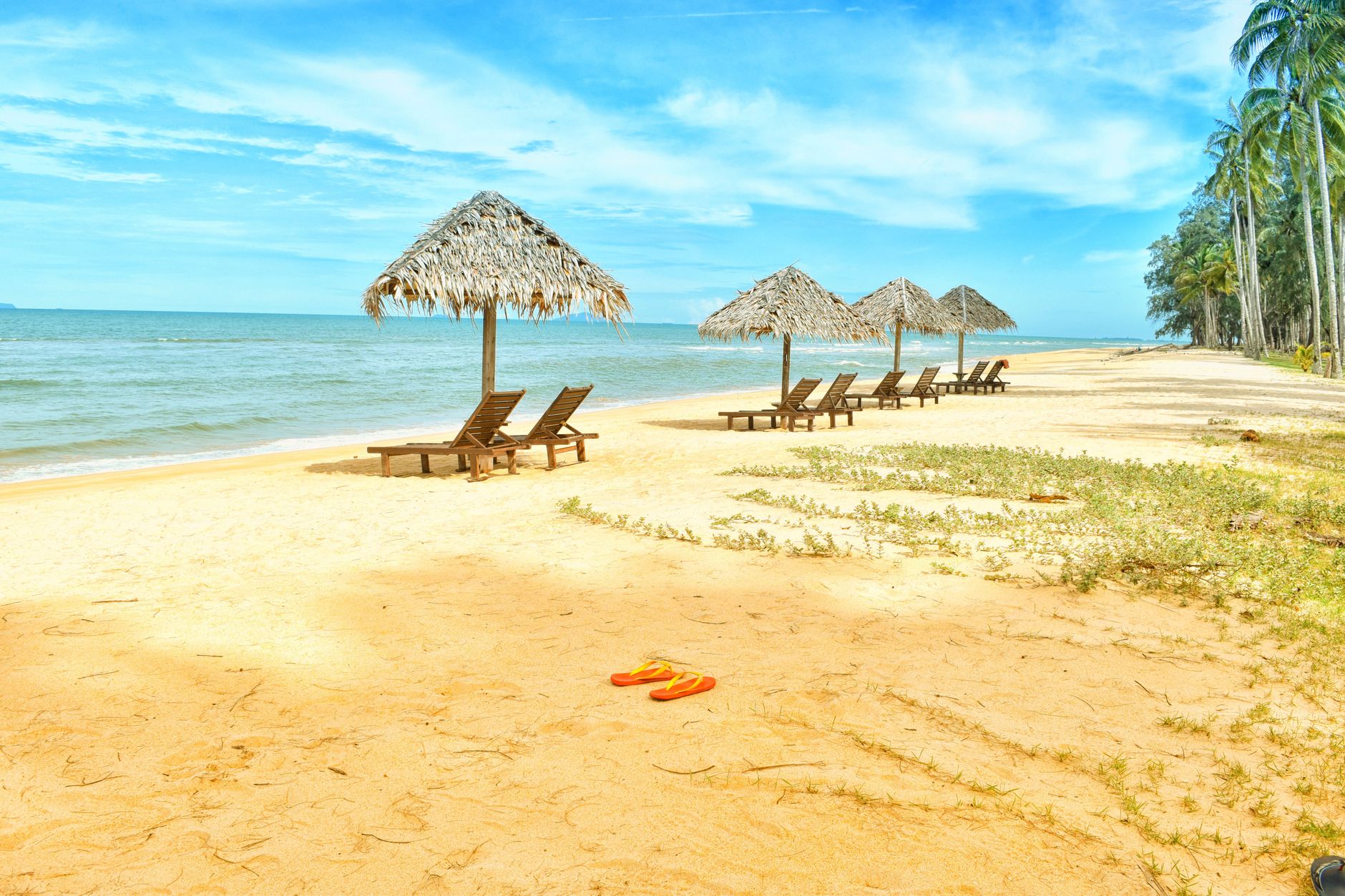
The drive down Jalan Pantai delivers glimpses of the Straits of Malacca between oil palms and shophouses before you turn onto the access road leading to Blue Lagoon Beach. Dark volcanic boulders anchor both ends of the crescent, sheltering a bay where water depth increases so gradually that you can wade out thirty meters and still touch bottom. Early morning brings the best conditions—the sea turns translucent green, and the sand beneath your feet shows ripples from the previous tide. Casuarina trees line the upper beach, their needle-like leaves whispering in the sea breeze and casting dappled shade across wooden picnic benches. Local families claim these spots on weekends, unpacking thermoses of teh tarik and containers of nasi lemak. The beach curves gently, allowing you to see from headland to headland, and the shallow gradient means children can splash safely while you keep watch from shore. By late morning, the parking area fills with tour buses from Kuala Lumpur and the water takes on a different energy—inflatable rings, beach balls, groups wading in sarongs. The satay vendors fan their charcoal grills, smoke drifting across the sand. You'll want to arrive before nine or return after four, when the light turns golden and the cove reclaims its quieter rhythm, waves lapping stones with a soft clatter.
Places, rentals, tours and events within walking and driving distance of Blue Lagoon Beach.
Photos
Blue Lagoon Beach is generally safe for swimming, particularly during calm weather. Its cove formation provides natural protection from strong currents, making it suitable for families and less confident swimmers. However, always check local conditions before entering the water, as wave intensity can vary. The beach is relatively secluded, so lifeguard presence may be limited. Swim during daylight hours and stay within designated areas. Weekdays tend to be quieter, offering a more peaceful swimming experience compared to weekends when local visitors increase.
The best time to visit Blue Lagoon Beach is during weekday mornings, especially from March to October when rainfall is lower. Early visits offer cooler temperatures and fewer crowds, ideal for a quiet swim. The dry season provides calmer seas and better beach conditions. Avoid weekends and public holidays when the beach attracts more local visitors. Malaysia's tropical climate means temperatures remain warm year-round, but monsoon season (November to February) can bring rougher seas and unpredictable weather, potentially affecting swimming conditions.
Blue Lagoon Beach is located along Port Dickson's coastal road, approximately 90 kilometers from Kuala Lumpur. By car, take the North-South Expressway to the Port Dickson exit, then follow coastal signage. The drive takes roughly 90 minutes. Parking is available near the beach, though spaces may be limited during peak periods. Alternatively, you can hire a taxi or use ride-hailing services from Port Dickson town. Public transportation options are limited, so having your own vehicle provides the most convenient access to this cove beach.
Blue Lagoon Beach has limited on-site facilities, so it's advisable to bring your own refreshments. However, Port Dickson town center, just a short drive away, offers numerous seafood restaurants, local eateries, and international dining options. Accommodations range from budget guesthouses to beachfront resorts along the Port Dickson coastline. Several hotels and vacation rentals are within 5-10 minutes' drive. Basic amenities like restrooms may be available, but the beach maintains a relatively undeveloped, natural character. Stock up on supplies beforehand for the most comfortable visit.
Blue Lagoon Beach's distinctive cove formation creates a sheltered, intimate setting that differentiates it from Port Dickson's other beaches. The protective headlands help reduce wave action, resulting in calmer, clearer waters ideal for leisurely swimming and wading. This natural bay configuration also contributes to the beach's scenic beauty, with rocky outcrops framing the sandy shoreline. The cove's shape creates a more secluded atmosphere, attracting visitors seeking tranquility away from busier beaches. The sheltered position often means warmer, gentler waters compared to more exposed coastal stretches.