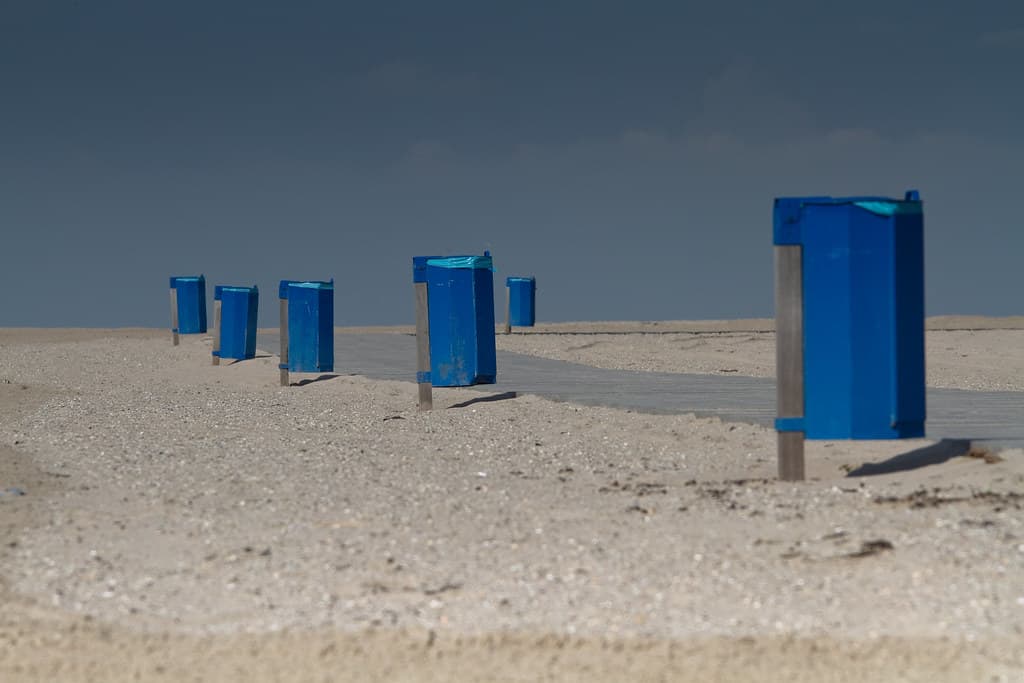
Counting the waves…
Counting the waves…
The approach to Karakit Beach tells you everything: a small boat from Kudat town, an hour across open water past uninhabited islets, then a landing where fishing nets dry on wooden racks and chickens peck along the tide line. This is Banggi Island's west shore, where the rhythm of village life—fishermen mending boats, smoke rising from cook fires—continues as it has for generations, indifferent to tourism's reach. The beach itself curves gently southward, backed by coconut palms and simple wooden homes on stilts. The sand holds a coarse, lived-in quality, darkened by tidal deposits and scattered with driftwood smoothed by the Sulu Sea. You'll share the shore with children returning from school, women gathering shellfish at low tide, and the occasional stray dog. The water warms quickly in the shallows, transitioning from tea-stained amber near shore to deep slate blue where the seabed drops away. Sunset transforms Karakit into something worth the boat ride alone. The sky ignites in layers—tangerine bleeding into plum, silhouetting the fishing fleet returning home. There's no soundtrack but lapping waves and distant Bajau voices, no infrastructure beyond a handful of guesthouses where dinner means whatever the day's catch brought in. This is remoteness without luxury, isolation without curation—a beach that exists for its residents first, visitors second.
Places, rentals, tours and events within walking and driving distance of Karakit Beach.
Photos
Swimming conditions at Karakit Beach are generally calm due to its sheltered position on Banggi Island. The waters are typically clear with gentle waves, making it suitable for swimming during most of the year. However, as this is a remote village beach with no lifeguards on duty, swimmers should exercise caution and stay close to shore. Monitor weather conditions before entering the water, as offshore storms can create unexpected currents. Always inform locals of your plans and avoid swimming alone in such isolated locations.
The best time to visit Karakit Beach is during the dry season from March to October, when rainfall is minimal and seas are calmer for boat travel to Banggi Island. The wettest months (November to February) can make boat transfers challenging and uncomfortable. For optimal sunset viewing, which Karakit Beach is known for, visit during clear weather periods. Temperatures remain consistent year-round at 25-32°C. Plan your trip with flexibility, as boat schedules to this remote island depend heavily on weather and sea conditions.
Reaching Karakit Beach requires multiple steps. First, fly to Kota Kinabalu, then travel to Kudat town (approximately 3 hours by road). From Kudat's jetty, take a boat to Banggi Island, Malaysia's largest island. Boat services are limited and schedules depend on weather; arrange transportation in advance through local operators or your accommodation. The journey to Banggi can take 1-2 hours depending on sea conditions. There is no parking at the beach itself, as access is by foot from the village. This is a genuinely remote destination requiring advance planning.
Karakit Beach is located in a small fishing village on remote Banggi Island, so accommodation and dining options are extremely basic and limited. You may find simple homestays with local families, offering an authentic cultural experience but minimal amenities. Meals are typically home-cooked, featuring fresh seafood and local dishes. There are no hotels, resorts, or restaurants in the conventional sense. Visitors should bring essential supplies, snacks, and be prepared for rustic conditions. Arrange accommodation well in advance through tour operators or contacts in Kudat who work with Banggi Island communities.
Karakit Beach remains hidden due to Banggi Island's extreme remoteness and limited tourist infrastructure. As Malaysia's largest but least-visited island, Banggi sees few travellers compared to popular destinations like Sipadan or Redang. The challenging multi-stage journey deters casual visitors, preserving the beach's pristine, undeveloped character. You'll experience authentic island village life, untouched coastlines, and spectacular sunsets without crowds. The lack of commercial development means the beach remains as locals have known it for generations, offering a rare glimpse of traditional Sabahan coastal communities and unspoiled natural beauty.