
Counting the waves…
Counting the waves…

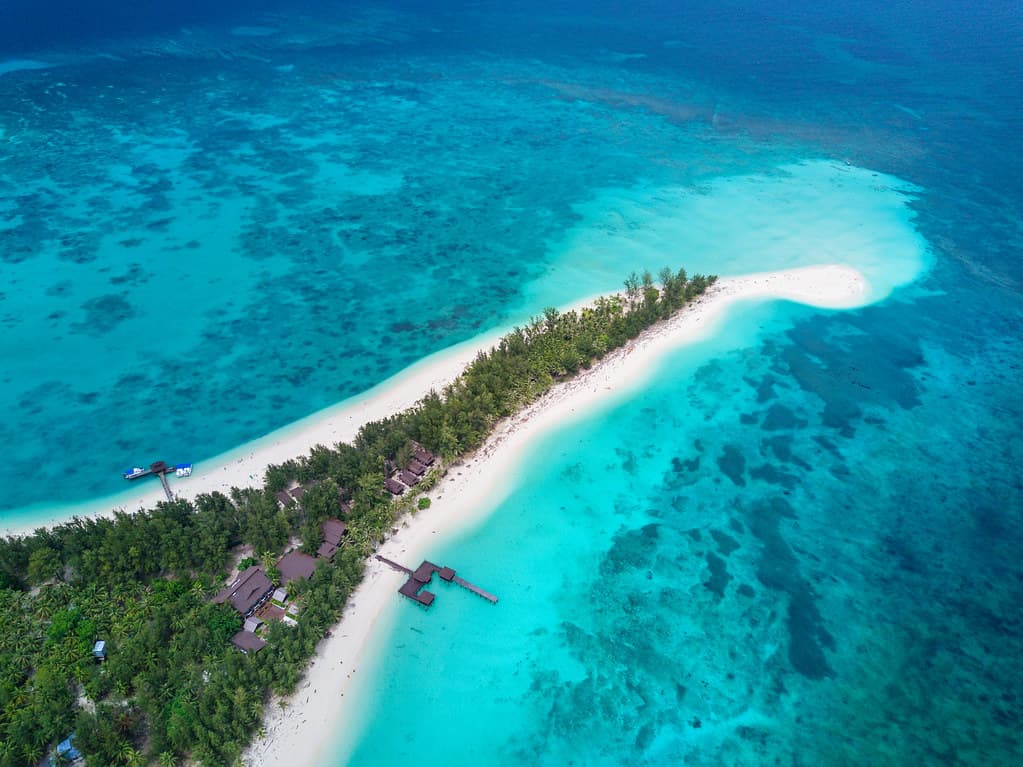
The crossing from Kota Belud takes just under an hour, long enough to watch the Crocker Range fade into haze and flying fish scatter from the bow wake. Mantanani's three islands—Mantanani Besar, Mantanani Kecil, and Lungisan—form a shallow atoll where the seabed drops from two meters to twenty in the span of a swim. The sand is so fine it puffs like talc between your toes, and the treeline begins abruptly: coconut palms and she-oak casuarinas leaning toward the fetch. You'll spend your days finning over table corals and barrel sponges, surfacing to find the beach exactly as you left it—a few wooden chalets, a dive shack, nothing taller than two stories. The water temperature hovers at twenty-eight degrees year-round, warm enough that you'll forget you're wearing a rash guard. Between dives, hermit crabs patrol the tideline and brahminy kites circle overhead, scanning for needlefish trapped in the shallows. Most visitors arrive on day-trip boats from Kota Kinabalu, but the overnight guests get the island to themselves after four o'clock, when the speedboats carve white wakes back toward the mainland. Dinner is grilled snapper and squid served under a thatch roof, the kind of meal you eat with your feet still sandy, listening to the tide pull coral rubble down the beach slope.
Places, rentals, tours and events within walking and driving distance of Mantanani Island Beach.
Photos
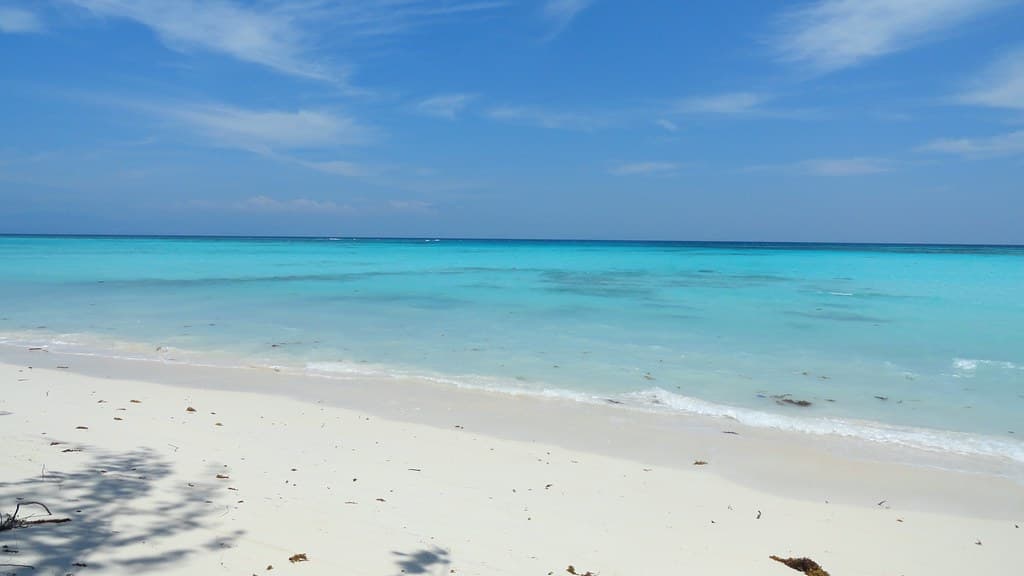
Mantanani Island Beach is generally safe for swimming, with calm, clear turquoise waters ideal for snorkeling and diving. The island's sheltered position creates gentle conditions most of the year. However, always check weather forecasts before visiting, as rough seas can occur during monsoon season (November to February). Swimming conditions are best during dry months when visibility underwater reaches 15-20 meters. Life jackets are provided by tour operators for boat transfers. Stay within designated swimming areas and follow guidance from local operators regarding currents and marine life.
The best time to visit Mantanani Island is during the dry season from March to October, with peak conditions between April and September. During these months, you'll enjoy calm seas, excellent visibility for snorkeling, and minimal rainfall. The turquoise waters are clearest, and boat transfers from Kota Belud are smoother and more reliable. Avoid November through February when the northeast monsoon brings rough seas, heavy rain, and limited tour operations. Many operators suspend trips during this period due to safety concerns and poor weather conditions.
Mantanani Island is accessible only by boat from Kota Belud, located about 75km north of Kota Kinabalu. Most visitors book day trips or resort packages that include boat transfers from Kuala Abai jetty. The boat ride takes approximately 45 minutes to one hour depending on sea conditions. If driving independently, head to Kota Belud town, then to Kuala Abai village where boats depart. Free parking is typically available near the jetty. Many operators offer pick-up services from Kota Kinabalu hotels for an additional fee.
Mantanani Island offers limited accommodation options, primarily at Mantanani Island Resort and a few smaller lodges with basic amenities. Most resorts provide meal packages since independent dining options are scarce on the island. Day-trippers receive packed lunches or buffet meals through their tour operators. There are no standalone restaurants or shops, so bring essential items from the mainland. Accommodations are simple, focusing on beach access and water activities rather than luxury. Electricity may be limited to certain hours. Booking in advance is essential, especially during peak season.
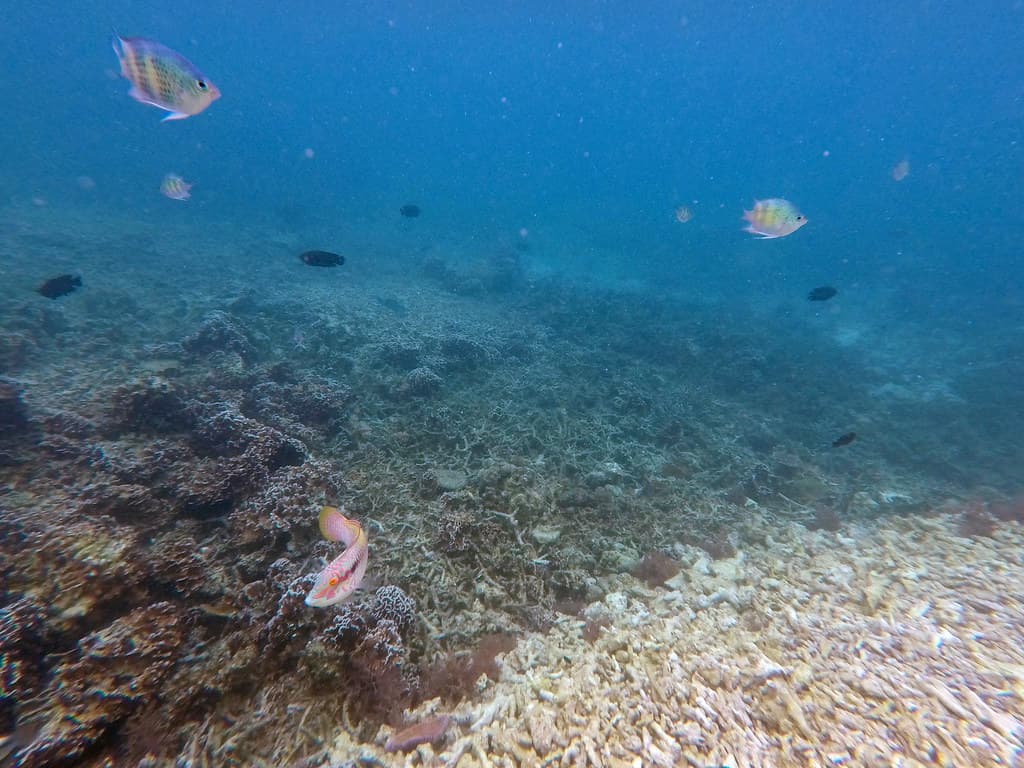
Mantanani Island is renowned for diverse marine life in its pristine waters. Snorkelers commonly spot colorful reef fish, clownfish, parrotfish, and angelfish among vibrant coral gardens. The surrounding waters are home to sea turtles, with green and hawksbill turtles frequently seen near the shore. Lucky visitors may encounter reef sharks, rays, and occasionally dugongs in deeper waters. The island's three distinct dive sites offer varying depths suitable for beginners and experienced snorkelers. Visibility is typically excellent from March to October, making marine encounters more likely.