Counting the wavesβ¦

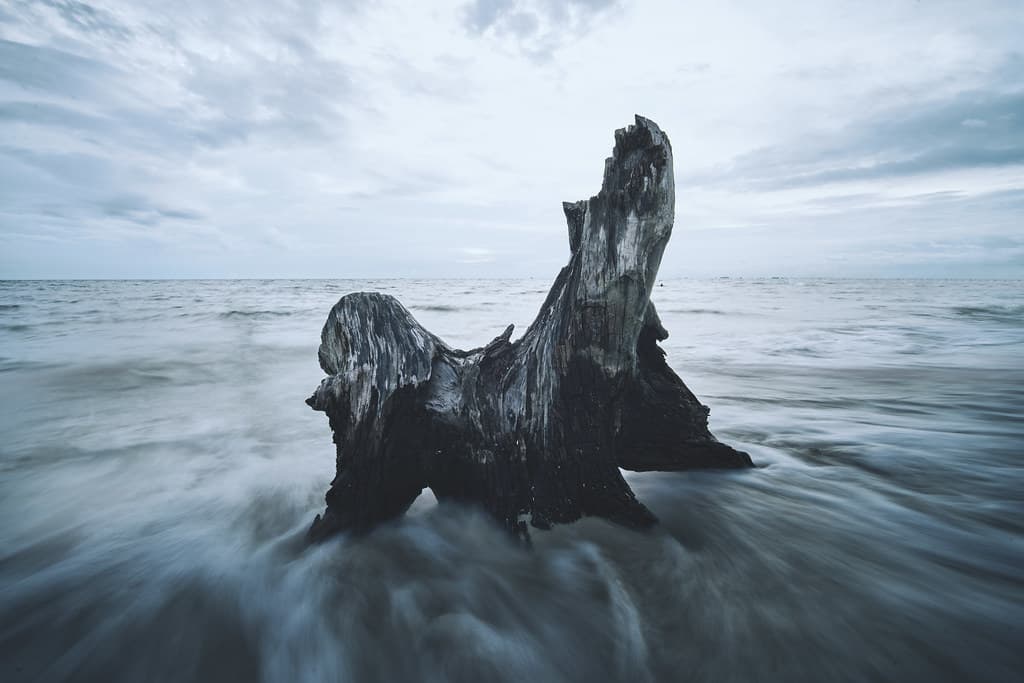
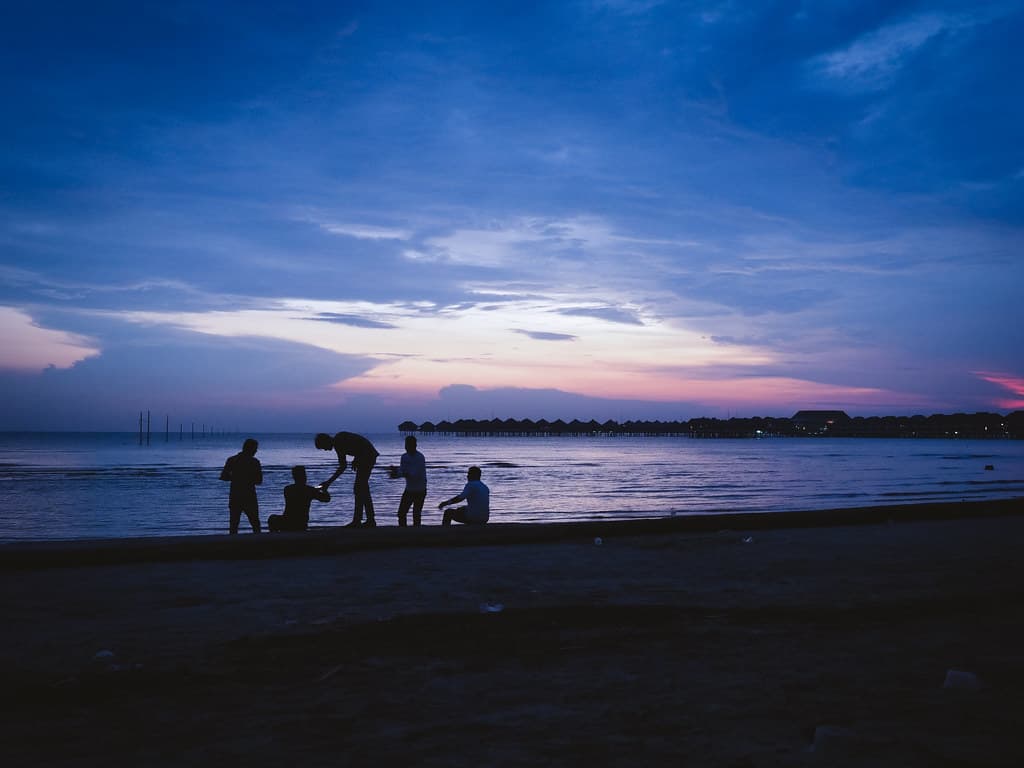
The sand at Pantai Cunang is the color of wet cardboard, speckled with fragments of cockle shells and the occasional jellyfish carcass that gulls pick at during low tide. Casuarina pines tilt inland, their needles soft underfoot, while wooden fishing boats rest at odd angles on the mudflats. The Malacca Strait here is murky, dark with river sediment, but locals wade in anyway, children shrieking as small waves slap their shins. You come here for the sunset, when the sky ignites in shades of persimmon and rust and the fishermen silhouette against the light, hauling in nets heavy with the day's catch. Families arrive with Styrofoam coolers and thermoses of teh tarik, claiming spots beneath the casuarinas. The air smells of salt, grilled squid from mobile carts, and faintly of diesel from boats motoring back to shore. This is not a beach for swimming laps or sunbathing on towels. It's a place where you sit on a woven mat, peel rambutans bought from a roadside vendor, and watch the light change. The sand gets in your slippers, the humidity clings to your neck, and by the time the sun drops below the horizon, you understand why the same families return every Saturday evening.
Places, rentals, tours and events within walking and driving distance of Pantai Cunang.
Photos
Swimming conditions at Pantai Cunang can vary depending on tides and weather. As a relatively quiet local beach, it typically lacks lifeguards and formal safety monitoring. The waters are generally calm during low tide, but exercise caution during high tide and monsoon season (November to March) when currents can strengthen. Check local conditions before entering the water, avoid swimming alone, and supervise children closely. The beach is more popular for strolling and enjoying views rather than serious swimming activities.
Pantai Cunang is renowned for its stunning sunsets, making late afternoon the ideal visiting time. Arrive around 5:30-6:00 PM to secure a good spot and watch the sun set over the Straits of Malacca. The dry season from April to October offers the most reliable weather, with clearer skies and less rainfall. Weekdays are quieter than weekends when local families visit. Early mornings also provide a peaceful atmosphere, though the beach is specifically celebrated for its golden-hour views as the day ends.
Pantai Cunang is located in Kuala Langat, approximately 60-70 km from Kuala Lumpur, accessible by car in about 1.5 hours. From KL, take the KESAS Highway toward Banting, then follow signs to Morib/Tanjung Sepat area. Public transportation is limited, so driving is recommended. Parking is available near the beach, though facilities are basic as this remains a relatively undeveloped local spot. The beach's hidden nature means fewer crowds but also fewer formal amenities compared to major tourist beaches in Selangor.
Pantai Cunang is a relatively undeveloped local beach with limited on-site amenities. You may find small roadside stalls or warungs selling basic snacks and drinks, particularly during weekends, but don't expect extensive facilities. For proper meals, head to nearby Banting town (about 15-20 minutes away) which offers various local restaurants and cafes. It's advisable to bring your own refreshments, especially on weekdays. Toilet facilities are basic or limited, so plan accordingly before your visit to this quiet, uncommercialized beach.
Pantai Cunang stands out as a hidden gem that has retained its quiet, local character unlike more commercialized Selangor beaches. It offers an authentic, uncommercialized coastal experience where you're more likely to encounter Malaysian families than tourists. The beach is particularly beloved by photographers and sunset chasers for its spectacular views over the Straits of Malacca without the crowds found at nearby Morib or Bagan Lalang. Its sandy shoreline and peaceful atmosphere make it ideal for those seeking a genuine local beach experience away from typical tourist spots.