Counting the waves…
Counting the waves…

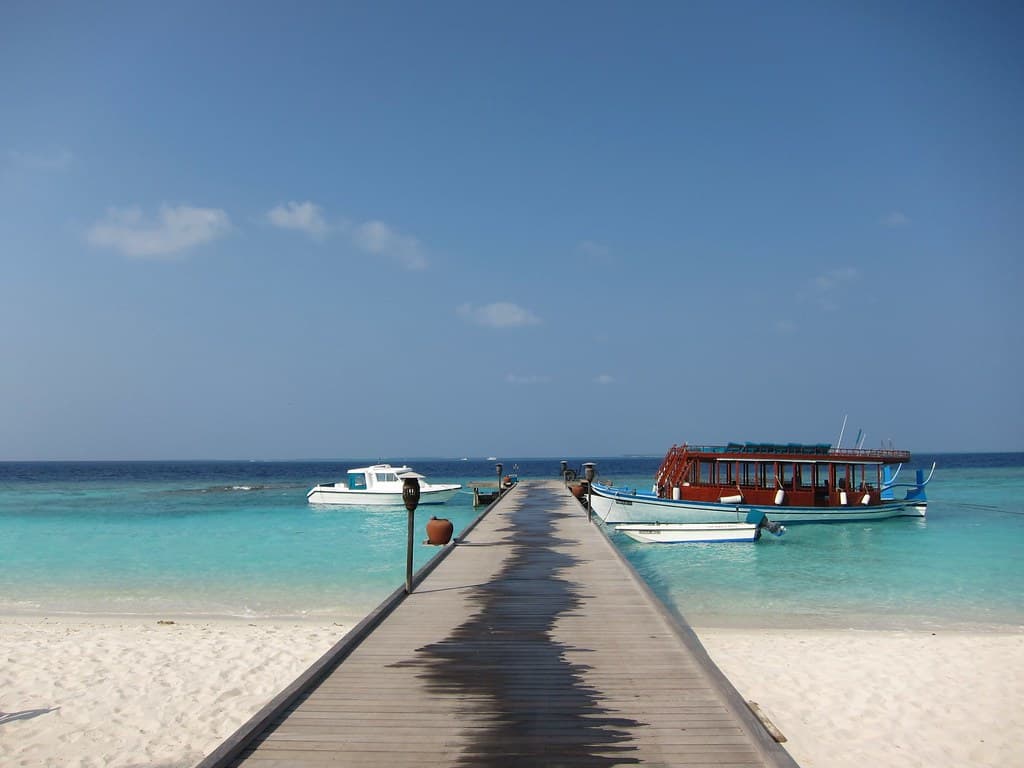
Tucked away on the tranquil island of Maalhos, this beach is a whispered secret among those seeking genuine solitude. The sand here is a fine, cool powder, a stark contrast to the warm, shallow waters that stretch out like a liquid sapphire. Overhead, coconut palms sway in a perpetual dance, casting dappled shadows that offer respite from the Maldivian sun. Days unfold with unhurried grace. You might spend hours simply watching the small reef fish dart through the shallows, or perhaps collect a handful of delicate shells washed ashore by the tide. The air is clean, carrying the faint scent of salt and blooming frangipani, a natural perfume that soothes the senses. As dusk paints the sky in hues of orange and violet, the beach transforms into a canvas of quiet contemplation. The absence of crowds means you can witness the spectacle of a Maldivian sunset in its purest form, a private show just for you. Maalhos Beach isn't just a destination; it's a feeling of profound peace.
Places, rentals, tours and events within walking and driving distance of Maalhos Beach.
Photos
Swimming at Maalhos Beach is generally safe during the dry season (November-April) when seas are calmer and conditions more predictable. The beach features gentle, shallow waters suitable for swimming, though you should always assess current conditions before entering. As this is a local inhabited island, designated bikini beach areas may exist where swimwear is permitted; elsewhere, modest clothing is expected. During monsoon season (May-October), currents can strengthen and visibility may decrease. There are no lifeguards, so exercise caution, particularly with children. Basic medical facilities are available on the island for minor issues.
Maalhos Beach is naturally less crowded year-round compared to resort islands, making it ideal for travelers seeking tranquility. For the quietest experience with good weather, visit during shoulder seasons: late April-May or September-October. These periods offer a balance between decent weather conditions and minimal tourist numbers. The peak dry season (December-March) sees more visitors but still far fewer than major resort destinations. The wet season (June-August) brings the fewest tourists and lower accommodation rates, though expect more rain and wind. Maalhos's remote location ensures a peaceful atmosphere regardless of season.
Reaching Maalhos requires a domestic flight from Malé's Velana International Airport to nearby islands with airports, followed by a speedboat transfer, or taking a direct speedboat from Malé (approximately 3-4 hours depending on sea conditions). Public ferries also operate but with less frequent schedules and longer journey times. Some visitors fly to Dharavandhoo and arrange speedboat transfers. Once on Maalhos, the island is small enough to explore on foot or by bicycle. Guesthouses typically assist with arranging transfers. Check schedules in advance as transportation options may be limited, especially during rough weather.
Maalhos offers a small selection of guesthouses providing budget-friendly accommodation with local hospitality. Most guesthouses include meal plans featuring Maldivian cuisine with fresh seafood, curries, and rice dishes, along with some international options. Facilities are simple but comfortable, reflecting the authentic local island experience. A few small cafes and restaurants operate on the island, though options are limited compared to resort islands or larger local islands. Alcohol is not available on local inhabited islands in the Maldives. Advance booking is recommended, especially during peak season, as accommodation capacity is limited.
Maalhos Beach offers an uncommercialised, authentic Maldivian experience on one of the atoll's quieter inhabited islands. Unlike busier local islands or luxury resorts, Maalhos remains relatively undiscovered, providing genuine tranquility and opportunities to experience traditional island life. The beach features pristine white sand and crystal-clear waters without crowds or extensive development. Visitors can interact with local communities, observe traditional crafts, and enjoy the slower pace of island living. Its location in Baa Atoll, a UNESCO Biosphere Reserve, means excellent snorkeling and diving opportunities nearby, with access to rich marine biodiversity in a peaceful setting.