Counting the waves…
Counting the waves…
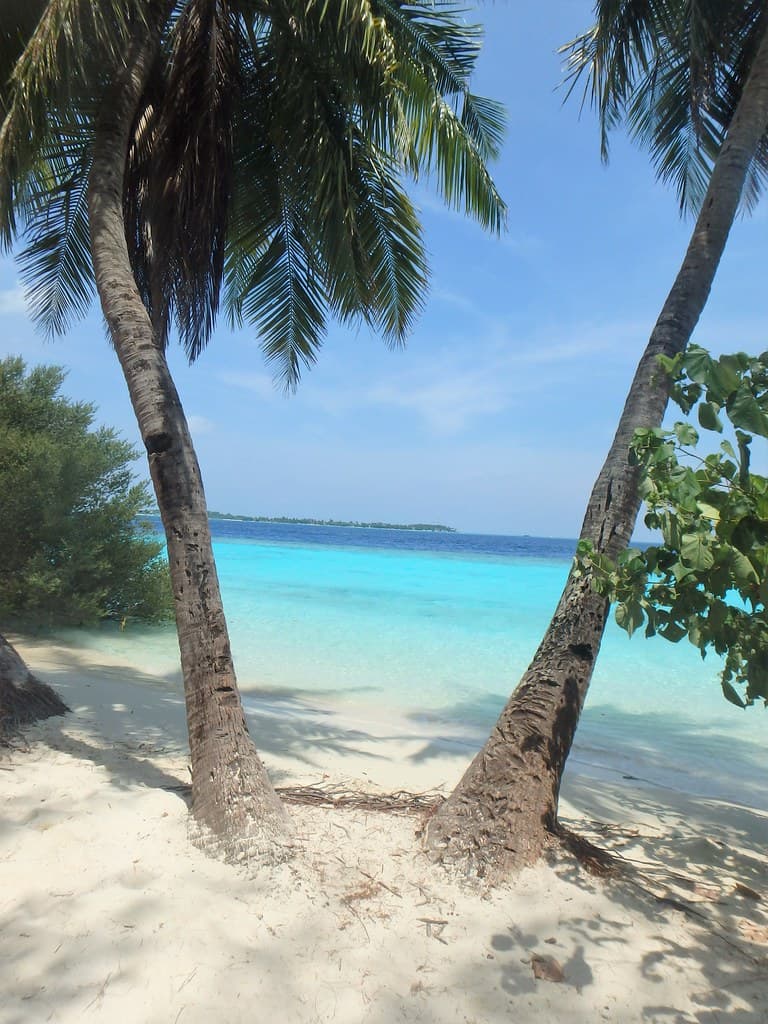
Guraidhoo East Beach offers a refreshing contrast to the bustling tourist hubs, presenting a quiet, unassuming stretch of white sand on a local island. Here, the pace of life slows to the gentle lapping of the waves, and the air is filled with the subtle scent of salt and the distant sounds of village life. This isn't a place for grand resorts, but for genuine connection with the natural beauty of the Maldives. The sand, a soft, pale white, stretches along the eastern edge of Guraidhoo, offering ample space for quiet walks or simply sitting and watching the world go by. The water, a clear, inviting blue, is calm and shallow, perfect for a refreshing dip away from any crowds. You might see local children playing, or a fisherman mending his nets, adding to the authentic charm of the setting. Shaded by scattered palms and natural vegetation, the beach maintains a wild, untouched feel. It's a place to truly unwind, to read a book, or to simply gaze out at the horizon, letting the tranquility wash over you. Guraidhoo East Beach is a testament to the simple, profound beauty of the Maldives, offering a peaceful retreat for those seeking an escape from the ordinary.
Places, rentals, tours and events within walking and driving distance of Guraidhoo East Beach.
Photos
Guraidhoo East Beach generally offers safe swimming conditions with calm, clear waters, especially during the dry season. The beach is known for its tranquil atmosphere and gentle waves. However, currents can strengthen during certain tides and monsoon season, so always assess conditions before entering. The area has good snorkeling opportunities near the shore with visible marine life. No formal lifeguard service is typically present, so swim at your own risk and stay aware of your abilities. Local guesthouses can advise on current conditions and safe swimming areas.
Guraidhoo East Beach is naturally less crowded than popular Maldivian beaches year-round due to Guraidhoo being a quieter island. For absolute minimal crowds, visit during the shoulder seasons (May, early June, or October-November) or weekdays during any season. Early mornings before 9 AM and late afternoons after 4 PM see the fewest visitors even during peak tourist months. The dry season from December to March brings more tourists overall, but Guraidhoo remains relatively undiscovered. This quiet stretch maintains its peaceful character even during high season.
Guraidhoo is accessible from Malé via public ferry or speedboat. The public ferry operates from Villingili Ferry Terminal, taking approximately 90 minutes with tickets around $2-3, but schedules are limited (often just a few times weekly). Speedboats take 45-60 minutes and cost $25-35 per person with more frequent service. Some guesthouses arrange private transfers. Once on Guraidhoo island, East Beach is reachable by a short walk or bicycle ride from the main settlement. The island is compact, making navigation easy. Confirm current ferry schedules as they change seasonally.
Guraidhoo offers a selection of guesthouses and small hotels, mostly clustered in the main village area within easy walking distance of East Beach. Accommodation options range from basic budget guesthouses ($30-60 per night) to more comfortable mid-range properties ($70-120). Most guesthouses offer meal plans including Maldivian and international dishes. The island has several local restaurants and cafes serving fresh seafood and traditional cuisine. Options are more limited than larger islands like Maafushi, giving a more authentic local experience. Advance booking is recommended during peak season as capacity is limited.
Guraidhoo East Beach stands out for its unspoiled, peaceful atmosphere away from mainstream Maldivian tourism. The quiet stretch offers pristine white sand and excellent water clarity without the development and crowds of more popular beaches. This section is ideal for visitors seeking authentic Maldivian island life and relaxation without constant activity. The beach provides excellent opportunities for solitary walks, meditation, and connecting with nature. Local character is preserved with fewer commercial operations. The relative isolation means better chances of experiencing the beach with minimal human presence, creating a more intimate tropical paradise experience.