Counting the waves…
Counting the waves…
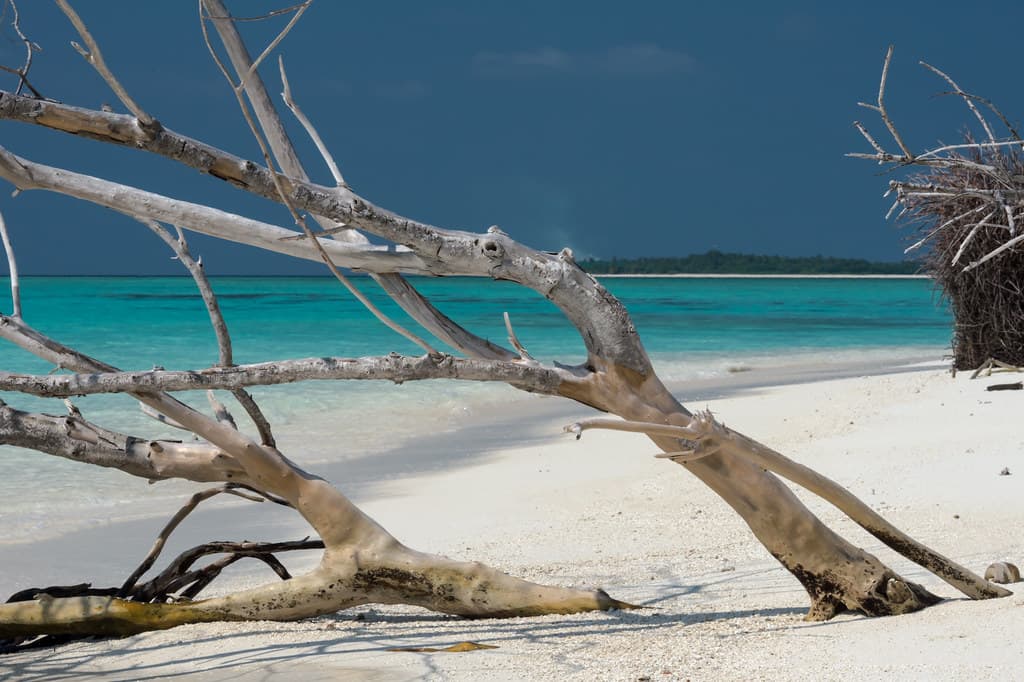
Ungoofaaru Beach stands out as a dynamic coastal space, reflecting the administrative heart of the Raa Atoll. Unlike secluded resort beaches, this stretch of white sand buzzes with the daily rhythms of island residents. You'll see children playing football at sunset, friends gathering for a chat under the shade of sea almond trees, and boats coming and going from the nearby harbor, adding a lively soundtrack to the natural beauty. The sand here is a pristine white, a stark contrast to the deep blue of the ocean, which remains invitingly clear for a refreshing dip. The beach is well-maintained, a testament to the community's pride in their island. While it's an urban beach, it retains that quintessential Maldivian charm, with the gentle lapping of waves a constant reminder of its island setting. Visiting Ungoofaaru Beach offers a genuine cultural immersion. It’s an opportunity to observe local customs, perhaps sample street food from a nearby vendor, or simply soak in the atmosphere of a bustling Maldivian town by the sea. It's a beach that tells a story, not just of natural splendor, but of community, daily life, and the enduring spirit of the islands.
Places, rentals, tours and events within walking and driving distance of Ungoofaaru Beach.
Photos
Swimming at Ungoofaaru Beach is generally safe in designated areas, with calm lagoon waters typical of Maldivian atolls. As the administrative capital of Raa Atoll, the island has some boat traffic, so stay within swimming zones away from harbor areas. Water conditions are calmest during the dry season (November to April). Always observe local swimming areas and avoid venturing too far from shore. Check with your accommodation about current conditions, tides, and any seasonal considerations. The beach's urban setting means facilities and assistance are readily available if needed.
Ungoofaaru Beach can be visited year-round, though the dry season from November to April offers the most pleasant conditions with minimal rainfall and calm seas. As an administrative island with regular local activity, the beach maintains its charm throughout the year regardless of tourist seasons. The wet season (May to October) brings occasional rain but also fewer tourists and lower accommodation rates. Since it's an urban beach on a working island rather than a resort destination, you'll find consistent local life and services available during any season, making it accessible anytime.
To reach Ungoofaaru, fly from Velana International Airport in Malé to Ifuru Airport via domestic flight (approximately 40 minutes). Ungoofaaru is relatively close to the airport, requiring a short speedboat transfer. Public ferries also connect Malé with Ungoofaaru, operating on scheduled routes, though journey times are longer. As the administrative capital of Raa Atoll, Ungoofaaru has better transportation connectivity than many other local islands. The beach is easily accessible on foot from anywhere on the small island. Arrange transfers through your guesthouse for the most convenient arrival.
As Raa Atoll's administrative capital, Ungoofaaru offers several guesthouses and small hotels with various price points, generally catering to budget and mid-range travelers. Accommodations typically include meal plans with Maldivian and international cuisine. The island has more dining options than typical local islands, including cafés, local restaurants, and small eateries serving traditional dishes like fish curry, roshi, and fresh seafood. Some establishments cater to government officials and visiting workers, ensuring consistent food availability. The urban setting provides more amenities than remote islands, including small shops where you can purchase snacks and supplies.
Ungoofaaru Beach is unique as it sits on the administrative capital of Raa Atoll, blending beach relaxation with authentic urban Maldivian life. Unlike resort islands or quieter local islands, Ungoofaaru bustles with government offices, schools, and administrative activities, offering insight into how Maldivians work and live. The beach provides a less touristy experience where you'll encounter locals more than visitors. This urban character means better infrastructure, more services, and transportation connections, making it practical for travelers who want beach access while experiencing the functional heart of the atoll's governance and daily island operations.