Counting the waves…
Counting the waves…
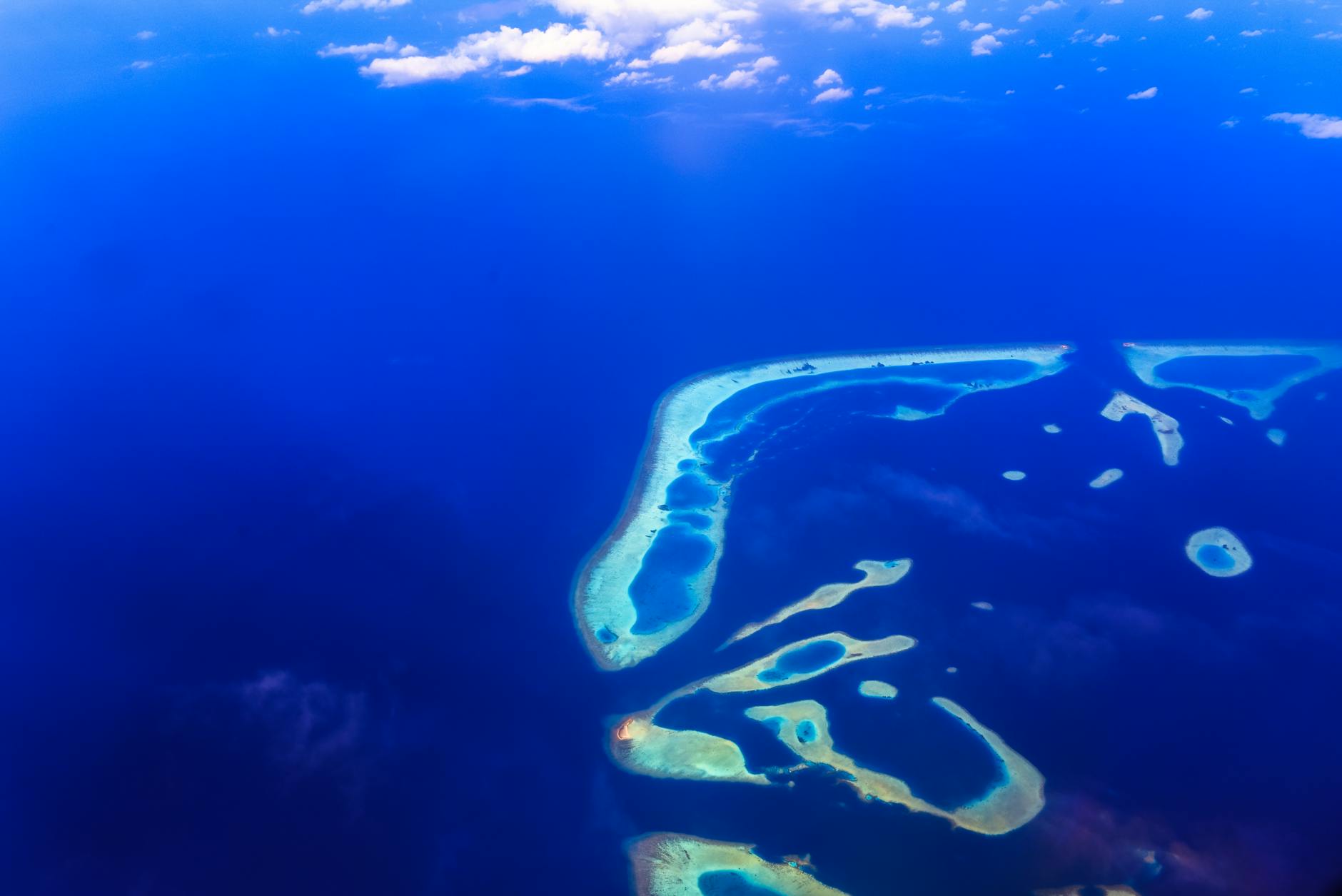
The sun warms the fine sand at Farukolhu Beach, a secluded stretch where the water's edge blurs into an expanse of calm. Here, the gentle lapping of the lagoon is the loudest sound, a rhythmic lullaby inviting deep relaxation. You'll find yourself drawn to the shallow, warm water, perfect for a languid dip or simply floating, suspended between the azure sky and the soft, sandy bottom. This hidden corner of the Shaviyani Atoll offers an intimate encounter with the Maldives' natural splendor. The absence of crowds means your footprints are often the only ones marring the pristine sand, creating a profound sense of solitude and connection with the environment. Observe the tiny crabs scuttling at the water's edge, or the flash of a small fish darting through the shallows. Farukolhu Beach is more than just a beach; it's a sanctuary for the soul. It’s where the vibrant hues of the Maldivian day transition into a canvas of starlight, unmarred by artificial glow. Come to unwind, to reconnect, and to witness the quiet magic of a truly undisturbed Maldivian lagoon.
Places, rentals, tours and events within walking and driving distance of Farukolhu Beach.
Photos
Swimming at Farukolhu Beach is generally safe, particularly in the shallow lagoon areas close to shore. As with most Maldivian beaches, conditions are calmest during the dry season (November to April). Always check local conditions before entering the water, as currents can vary. The beach's small island setting means you should stay within designated swimming areas and be mindful of boat traffic. There are no lifeguards on duty, so swimmers should exercise caution and avoid swimming alone or venturing too far from shore.
The best time to visit Farukolhu Beach is during the dry northeast monsoon season from November through April, when you'll experience less rainfall, calmer seas, and excellent visibility for water activities. This period also offers the most sunshine and pleasant temperatures. The shoulder months of May and October can provide good value with fewer crowds, though occasional rain is possible. June through September brings the southwest monsoon with rougher seas and more precipitation, making it less ideal for beach activities but potentially offering lower accommodation rates.
Reaching Farukolhu Beach requires travelling to Shaviyani Atoll in the northern Maldives. From Velana International Airport in Malé, you'll need to take a domestic flight to Hanimaadhoo Airport (approximately 55 minutes), followed by a speedboat transfer to Farukolhu island. Alternatively, public ferry services connect inhabited islands in Shaviyani Atoll, though schedules can be infrequent and journey times lengthy. Your guesthouse or resort can typically arrange airport transfers. Due to the remote location, advance planning and booking of transfers is essential for a smooth journey.
Farukolhu is a small local island with limited but authentic accommodation options, typically consisting of family-run guesthouses offering basic to modest amenities. Dining options usually include meals at your guesthouse, featuring traditional Maldivian cuisine with fresh seafood, rice, and curries. Some guesthouses offer half-board or full-board packages, which are recommended given the limited independent restaurant options. The island provides an authentic local experience rather than luxury resort amenities. It's advisable to discuss dietary requirements in advance and bring any specialty items you may need.
Farukolhu Beach offers an authentic, uncrowded Maldivian experience on a genuinely small local island, far removed from the typical resort tourism scene. The beach provides pristine white sand and crystal-clear waters without the crowds found at more popular destinations. As a hidden gem in Shaviyani Atoll, it allows visitors to experience traditional Maldivian island life and interact with local communities. The intimate scale of the island means you can often have stretches of beach entirely to yourself, offering a rare sense of seclusion and tranquility that's increasingly difficult to find in the Maldives.