Counting the waves…
Counting the waves…
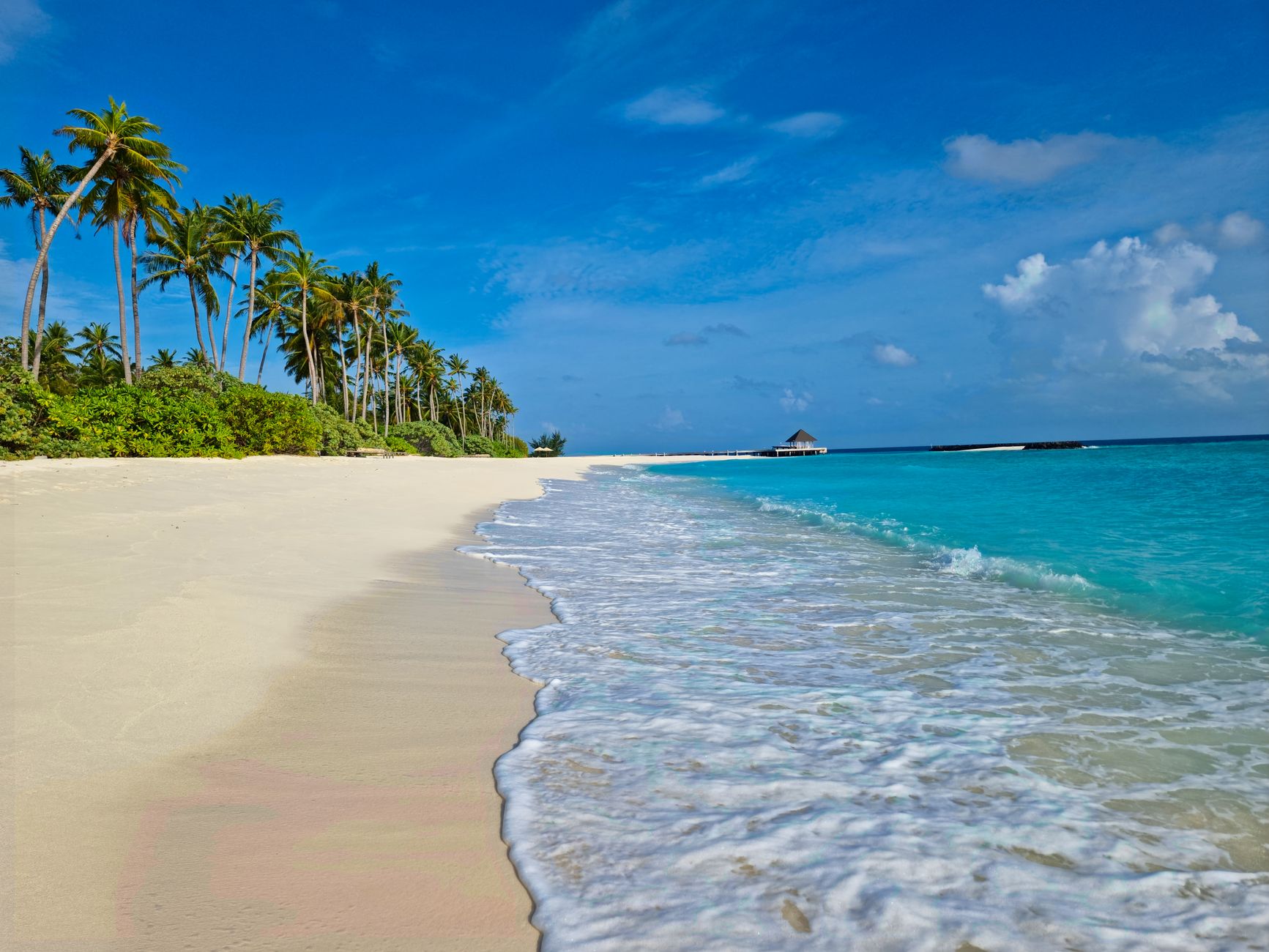
Kanditheemu Beach is a testament to the understated charm of the Maldives' inhabited islands. Here, the pace of life slows, inviting you to unwind amidst a backdrop of natural beauty. The beach itself is a pristine ribbon of white, fine sand, gently sloping into a lagoon whose waters are a mesmerizing palette of blues and greens. This is a beach where families can truly relax. The calm, shallow waters are perfect for children to splash and play safely, while adults can enjoy a refreshing swim or simply bask in the warm Maldivian sun. The absence of large crowds ensures a peaceful atmosphere, allowing for genuine connection with the island's tranquil rhythm. Beyond the immediate shoreline, the island offers a glimpse into local life, providing an authentic cultural experience. As the day draws to a close, the beach becomes a quiet stage for a beautiful sunset, painting the sky with soft, warm hues. Kanditheemu Beach is an idyllic retreat for those seeking serenity and a taste of traditional island living.
Places, rentals, tours and events within walking and driving distance of Kanditheemu Beach.
Photos
Kanditheemu Beach is generally safe for families and swimmers, featuring calm, protected waters characteristic of Maldivian lagoon beaches. The beach's sheltered position and surrounding reef provide natural protection from strong currents and large waves. Shallow areas near shore are suitable for children under supervision, while the gradual depth increase accommodates confident swimmers. Standard precautions apply: monitor weather conditions, supervise children at all times, and wear reef shoes to protect against coral and sea urchins. As a northern inhabited island beach, local residents use it regularly, which generally indicates safe conditions. Ask locals about any seasonal currents or specific safety considerations.
The ideal time to visit Kanditheemu Beach is during the Maldives' dry season from November through April, offering sunny skies, calm seas, and minimal rainfall. December to March provides particularly stable weather with lower humidity and gentle breezes, perfect for beach activities. The wet season from May to October brings more frequent rain showers and higher humidity, though temperatures remain warm and swimming is still possible. Being in the northern atolls, Kanditheemu can experience slightly different weather patterns than southern Maldives, but the dry season generally ensures the most pleasant conditions for enjoying this calm beach environment.
To reach Kanditheemu Beach, take a domestic flight from Velana International Airport in Malé to Hanimaadhoo Airport, which takes approximately 50 minutes and operates daily. From Hanimaadhoo, arrange a speedboat transfer to Kanditheemu island, usually requiring 45 minutes to 1.5 hours depending on sea conditions and route. Most guesthouses can organize transfers for guests if arranged in advance. Public ferries also connect islands within Shaviyani Atoll but run less frequently with longer travel times. As Kanditheemu is one of the northern inhabited islands, confirm all transportation schedules beforehand and allow flexibility for weather-related delays.
Kanditheemu offers several guesthouse accommodations providing comfortable rooms with local hospitality, ranging from basic to mid-range facilities. Most guesthouses are located within easy walking distance of the beach and include air conditioning and essential amenities. Dining typically centers on guesthouse meal plans featuring Maldivian cuisine with fresh seafood, tuna dishes, curries, and rice. Some properties offer full-board packages, which are practical given limited independent dining options on the island. Expect authentic, home-cooked meals rather than extensive menus. Communicate dietary requirements when booking. Alcohol is not available on local inhabited islands due to Maldivian regulations.
Kanditheemu Beach's significance lies in its location as one of the northern inhabited islands in Shaviyani Atoll, offering visitors access to a more remote and authentic Maldivian experience compared to central or southern atolls. The northern position means fewer tourists, more pristine natural surroundings, and stronger preservation of traditional island culture. The beach provides calm waters and white sand while the inhabited island status ensures basic infrastructure, local interaction opportunities, and cultural insights into daily Maldivian life. This combination of accessibility with remoteness appeals to travelers seeking genuine experiences beyond typical resort areas while still having essential services.