
Counting the waves…
Counting the waves…
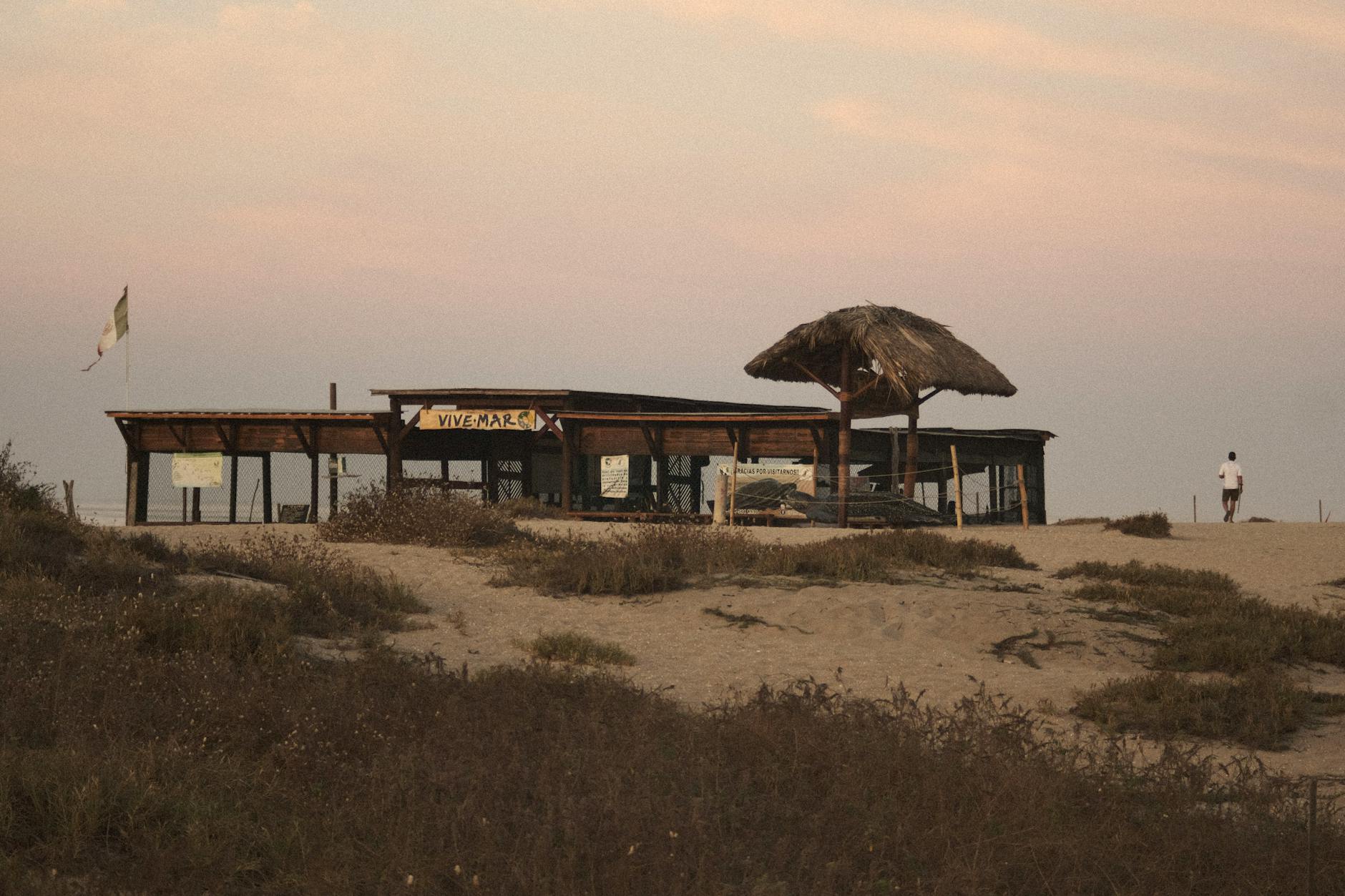
Tucked away on the Chiapas coast near Tapachula, Playa Caña Brava remains a secret known to few, a testament to its untouched allure. Here, the Pacific Ocean unfurls in long, mesmerizing lines, meeting a broad expanse of sand that feels miles from any urban clamor. The air carries the scent of salt and wild flora, a natural perfume that invigorates the senses. This isn't a beach for bustling activity; it's a sanctuary for the soul. Spend your hours walking the shoreline, collecting sun-bleached shells, or simply watching the pelicans dive for their catch. The absence of vendors and crowds allows for an uninterrupted communion with the elements, making every moment feel profoundly personal. When the afternoon sun begins its descent, painting the sky in fiery hues, you'll understand the magic of Caña Brava. It's a place where time slows, where the horizon stretches endlessly, and where the simple act of being present becomes the most luxurious experience of all. Seek it out for an authentic taste of coastal Mexico.
Places, rentals, tours and events within walking and driving distance of Playa Caña Brava.
Photos
Swimming conditions at Playa Caña Brava vary with weather and ocean conditions typical of the Pacific coast. As a less-developed beach, formal lifeguard services are generally not available. Swimmers should carefully evaluate wave strength and currents before entering the water. It's best to swim during calm conditions and avoid going out too far. The beach's remote location means help may not be immediately accessible in emergencies. Swimming with companions and informing someone of your plans is recommended. Local knowledge about safe swimming areas can be valuable.
Playa Caña Brava naturally attracts fewer visitors due to its hidden location, making most times relatively uncrowded. For the absolute quietest experience, visit on weekdays outside Mexican holiday periods. The dry season from November to April offers better weather while maintaining the peaceful atmosphere. Early morning visits provide solitude and cooler temperatures. Even during peak travel months, this beach remains less busy than major tourist destinations. The rainy season sees even fewer visitors, though afternoon showers are common. Essentially, any non-holiday period offers the tranquility this beach is known for.
Reaching Playa Caña Brava requires traveling from Tapachula toward the coastal area, typically by private vehicle or taxi. The beach's hidden nature means it's not served by regular public transportation. Renting a car provides the most flexibility for accessing this remote location. Alternatively, hire a taxi driver who knows the area and arrange for pickup time. The journey may take 30-90 minutes depending on specific location and road conditions. Roads may be unpaved or less maintained near the beach. GPS coordinates and local directions are helpful for navigation.
Playa Caña Brava's hidden gem status means very limited commercial development. Accommodations and restaurants are scarce directly at the beach. Visitors typically base themselves in Tapachula where hotels and restaurants are plentiful, then make day trips to the beach. Occasionally, small local vendors or temporary food stands may offer refreshments or simple seafood dishes near beach access points. Bringing your own food, drinks, and supplies is highly recommended. The absence of facilities preserves the beach's natural character but requires advance planning for basic needs during your visit.
Playa Caña Brava is distinguished by its status as a true hidden gem with minimal tourist presence and development. The beach offers stunning natural views without the commercial infrastructure found at popular destinations. Its peaceful environment attracts travelers seeking authentic coastal experiences and escape from crowds. The sense of discovery adds to its appeal—finding and accessing this beach feels like uncovering a local secret. The pristine setting allows visitors to connect with nature and enjoy the coastline in a more intimate way. It represents the Chiapas coast in its most natural, unaltered state.