
Counting the waves…
Counting the waves…
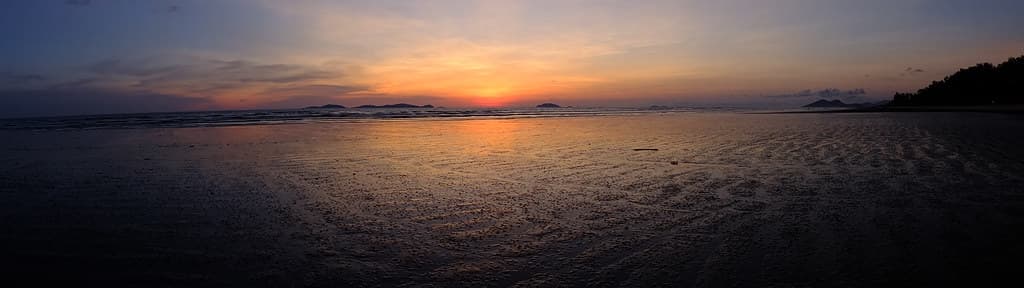
Kan Pauk Beach presents a delightful, unpretentious stretch of coastline, perfect for those who appreciate a relaxed, local atmosphere. The sand here is soft and inviting, a pale canvas leading down to the calm, shallow waters of the Andaman. It’s a beach where children can safely splash at the water's edge and adults can unwind with a good book under the warm Myanmar sun. The gentle slope of the shore and the generally placid conditions make it an excellent choice for families. You'll often see local families enjoying picnics, building sandcastles, or simply enjoying the refreshing sea breeze. The air carries a clean, salty scent, occasionally mingled with the aroma of simple, delicious local snacks being prepared nearby. Kan Pauk Beach offers ample space for sunbathing, beach games, or simply strolling along the waterline, collecting shells. The horizon stretches wide, providing beautiful, unobstructed views, particularly as the day progresses towards a soft, golden sunset. This beach embodies a quiet charm, a place where genuine local life unfolds against a backdrop of natural beauty, leaving you feeling refreshed and connected.
Places, rentals, tours and events within walking and driving distance of Kan Pauk Beach.
Photos
Swimming at Kan Pauk Beach is generally safe during the dry season from November to April when seas are calmer. The sandy beach and gradual entry make it accessible for swimmers of varying abilities. However, no lifeguards or safety services operate here, so swimmers must assess conditions personally. During monsoon season (May-October), avoid swimming due to rough waters, strong currents, and poor visibility. Always observe local swimmers for guidance on safe areas and be mindful of changing tides. Children and weak swimmers should remain in shallow areas under close supervision regardless of season.
The ideal visiting window runs from November through March, offering dry weather, calm seas, and comfortable temperatures for sunbathing and swimming. December and January provide the most pleasant conditions with minimal rainfall. April remains accessible but brings hotter temperatures. Avoid May through October when monsoon rains, rough seas, and muddy access roads make visits challenging. Weekdays offer quieter experiences than weekends. Since Kan Pauk is off the main tourist trail, it remains relatively uncrowded even during peak season, making timing less critical than at more popular Myanmar beaches.
Kan Pauk Beach lies north of Launglon and beyond Nabule area, requiring local transport knowledge. From Launglon town, hire a motorbike taxi, rent a motorbike if experienced, or arrange a private car with driver familiar with the area. Roads can be basic and poorly marked, making local guidance valuable. The journey time varies depending on exact departure point and road conditions, typically taking 30 minutes to over an hour. During rainy season, some roads may become impassable. Contact guesthouses in Launglon or Dawei for current transport recommendations and potential guide arrangements.
Kan Pauk Beach has no established tourist accommodation or restaurants. This is a local beach area without commercial development for visitors. Plan to stay in Launglon town, where basic guesthouses and local eateries provide simple accommodation and Myanmar meals. Bring all necessary food, drinks, and supplies for your beach visit, treating it as a day trip. Occasionally, small local vendors might sell snacks or beverages near the beach, but availability is unpredictable. Purchasing supplies in Launglon before heading to the beach ensures you have everything needed for a comfortable visit.
Kan Pauk Beach stands out for its northern location beyond the better-known Nabule area, placing it firmly off typical tourist routes. This beach receives minimal foreign visitors, offering an exceptionally authentic and uncrowded experience. Its family-friendly sandy shores and scenic natural setting provide classic beach activities—sunbathing, swimming, and relaxation—without any commercial development. The beach remains underrepresented even in regional tourism information, making it a genuine discovery for adventurous travellers. Those willing to navigate the access challenges are rewarded with peaceful, beautiful coastline and meaningful interactions with local communities who use these shores.