Counting the waves…
Counting the waves…

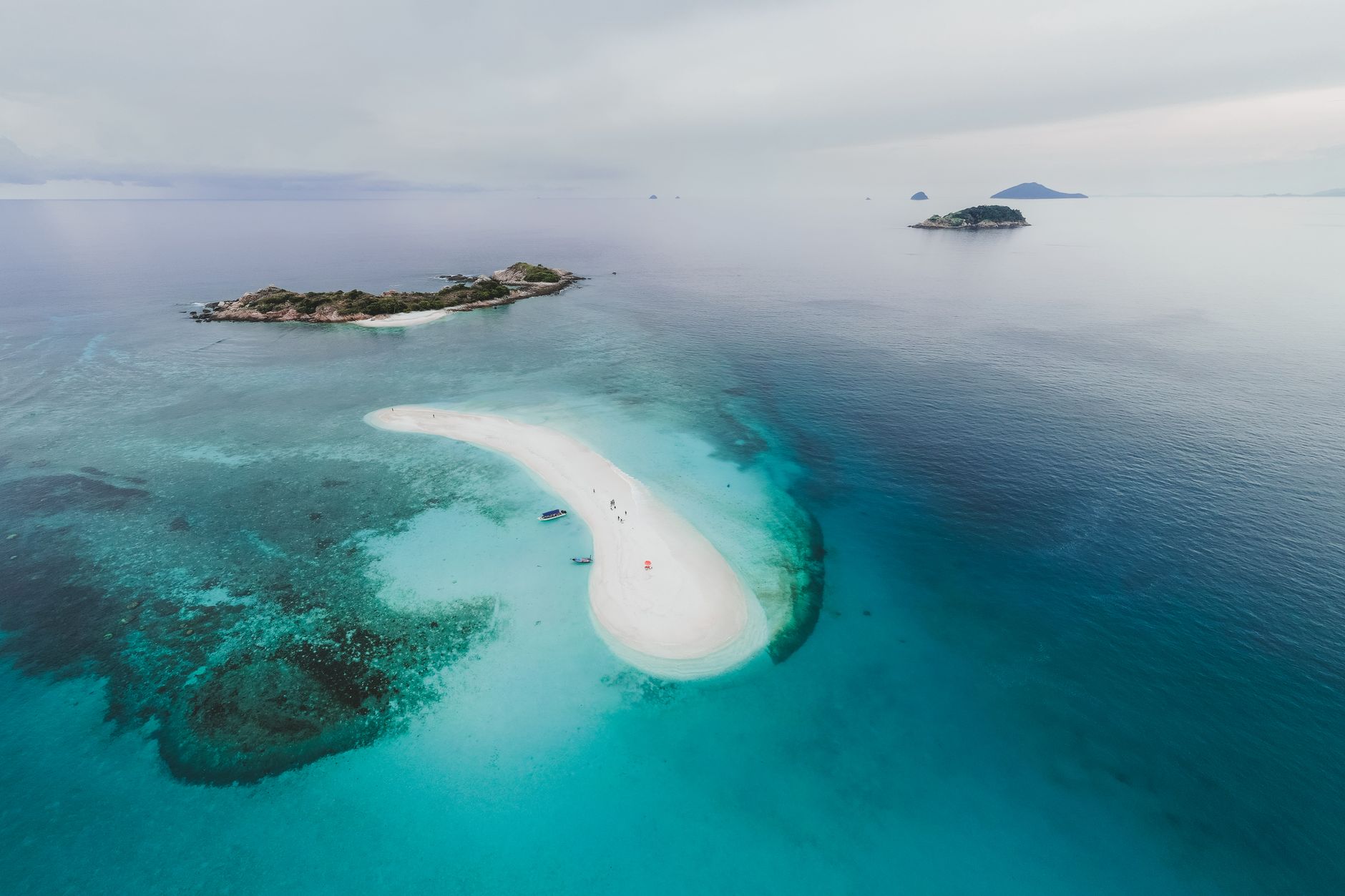
Dana Theik Di Island Beach is a whisper in the wind, a secluded stretch of ivory sand that feels miles away from the everyday. Reaching it is part of the adventure, typically an extended journey into the Myeik archipelago, rewarding you with an unspoiled slice of coastal perfection. The air here is pure, carrying the scent of the ocean and distant jungle. The true magic of Dana Theik Di lies beneath its surface. Don your mask and fins, and plunge into the warm, gin-clear water to discover an intricate world of coral formations. Schools of tropical fish, painted in every hue imaginable, weave through the living reef, creating a mesmerizing spectacle. It’s an underwater ballet, vibrant and alive, waiting to be explored. Back on the beach, the silence is profound, broken only by the gentle ebb and flow of the tide. There are no vendors, no crowds, just the raw beauty of nature. It’s a place to truly disconnect, to read a book under the shade of a palm, or simply gaze out at the endless horizon, feeling the soft sand beneath your fingers. Dana Theik Di is an invitation to experience the Myeik archipelago in its most pristine form.
Places, rentals, tours and events within walking and driving distance of Dana Theik Di Island Beach.
Photos
Swimming at Dana Theik Di Island is generally safe during the dry season when seas are calm and visibility is good for assessing underwater conditions. The beach's remote nature means no lifeguards or safety personnel are present, so swimmers must be self-reliant and cautious. Snorkeling is a popular activity here, but always use the buddy system and inform your boat crew of your plans. Water conditions vary with tides and seasons, so consult your boat operator before swimming. Avoid the monsoon period when currents become unpredictable. Always wear appropriate sun protection and stay hydrated, as shade may be limited on this undeveloped island.
The best time to visit Dana Theik Di Island is during the dry season from November to April, when calm seas ensure reliable boat access and comfortable beach conditions. December through March offers the most stable weather with minimal rainfall and excellent snorkeling visibility. These months also provide the best chance of having the beach to yourself, as this lesser-known island sees fewer visitors than popular tourist spots. Early dry season (November-December) can offer particularly uncrowded experiences. Monsoon season (May-October) should be avoided due to rough seas, limited boat availability, and poor weather that makes the journey uncomfortable and potentially unsafe.
Dana Theik Di Island is accessible only via boat charter from Myeik town, typically as part of extended archipelago tours. The journey can take several hours depending on sea conditions and which other islands are included in your itinerary. This is not a standard day-trip destination, so you'll need to arrange transportation through specialized tour operators in Myeik who offer multi-day island-hopping packages. Private longtail boat charters can be negotiated, though costs increase significantly for distant islands. Book through reputable operators who know the archipelago well. No regular ferry services exist, making advance planning essential for reaching this remote beach.
Dana Theik Di Island has no tourist facilities, accommodations, or food services. As a remote, undeveloped island beach, visitors must be completely self-sufficient. All food, drinking water, and supplies must be brought from Myeik. If you're joining an organized multi-day tour, confirm that meals, water, and camping equipment (if overnight) are included in the package. For day visits, pack adequate provisions including sun protection, first aid supplies, and sufficient water for the journey. There are no shops, restaurants, or emergency services on the island. All accommodation options are in Myeik town, where you'll base yourself before and after island excursions.
Dana Theik Di Island's status as a lesser-known destination means you'll experience an authentic, undisturbed beach environment with minimal human impact. This remoteness offers pristine natural beauty and excellent snorkeling, but requires greater self-reliance and preparation. Expect no facilities, no phone signal, and no emergency services. Visit only with experienced boat operators who know the archipelago well and carry appropriate safety equipment. The journey is longer than to more popular islands, so budget extra time and costs. Environmental responsibility is crucial—pack out all rubbish and avoid disturbing marine life. This island rewards adventurous travellers seeking genuine isolation and untouched natural scenery.