Counting the waves…
Counting the waves…

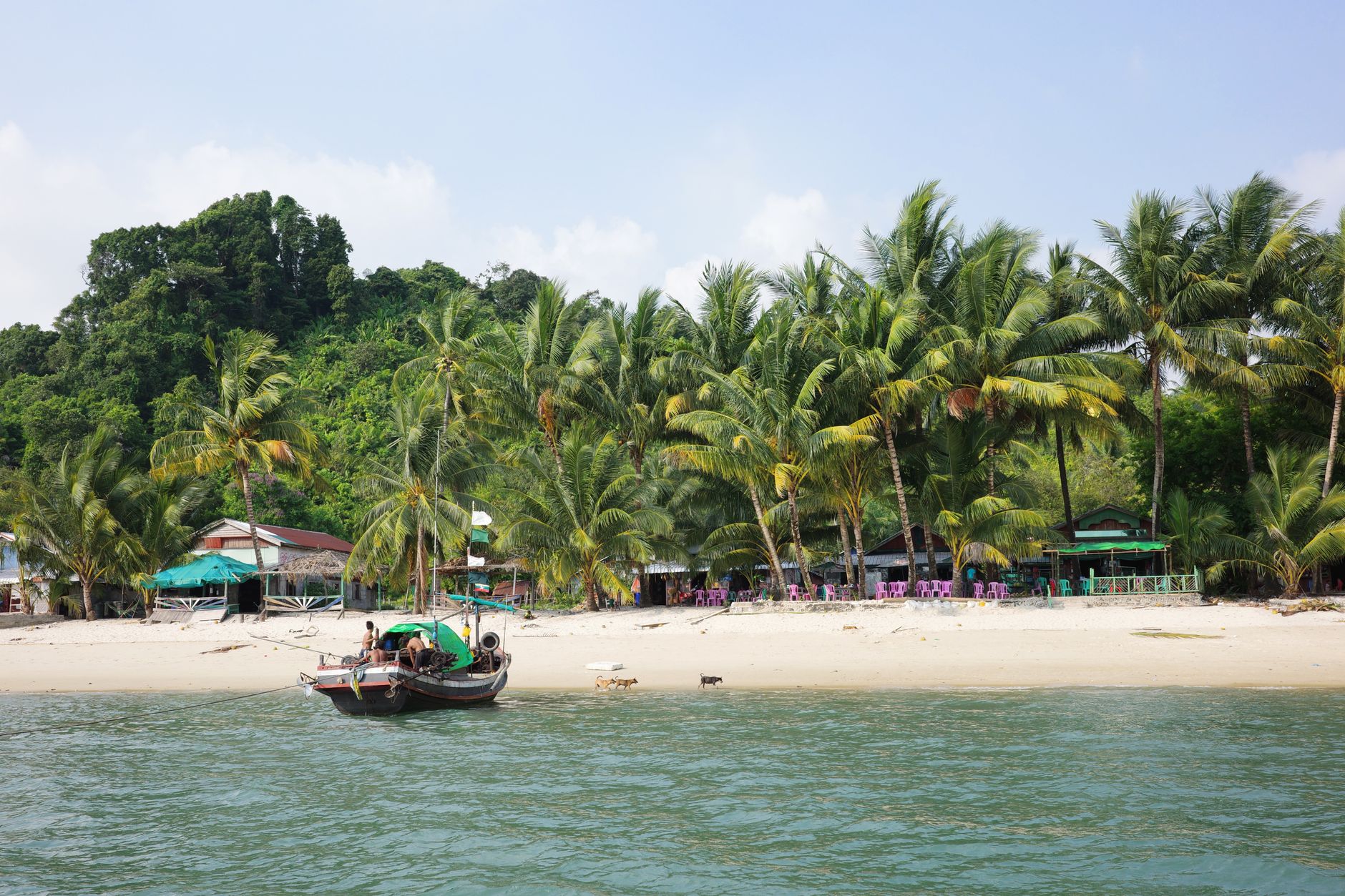
Kan Maw Village Beach offers a unique blend of natural beauty and authentic local culture. Unlike more secluded island beaches, this sandy stretch is an integral part of the village, providing a window into the daily lives of the local community. The air carries the scent of salt mixed with woodsmoke and cooking, a sensory tapestry unique to this coastal setting. Here, you'll find children playing at the water's edge, fishermen mending nets, and villagers going about their routines, all against the backdrop of the Andaman Sea. The sand, a warm, inviting beige, is perfect for a leisurely stroll, and the water, often calm and shallow, is ideal for a refreshing dip, especially for families with young ones. This beach is less about pristine isolation and more about connection – with the people, the culture, and the gentle coastal environment. It's a place to observe, to engage, and to experience the genuine warmth of Myanmar's island communities. Kan Maw Village Beach offers a memorable encounter that goes beyond just sand and sea.
Places, rentals, tours and events within walking and driving distance of Kan Maw Village Beach.
Photos
Swimming conditions at Kan Maw Village Beach generally depend on weather, tides, and seasonal patterns typical of island beaches in the Myeik Archipelago region. As a village-adjacent beach known primarily to locals, formal safety infrastructure like lifeguards is unlikely to be present. Families do visit, suggesting reasonably calm conditions, but always assess the water yourself and seek advice from village residents about currents, tides, and any seasonal hazards. The remote island setting means medical facilities are distant, so exercise appropriate caution, especially with children, and never swim alone in unfamiliar waters.
Kan Maw Village Beach can be visited throughout the year, though conditions vary by season. Myanmar's dry season from November to February offers the most reliable weather with calmer seas, making boat access easier and more pleasant. March to May brings hotter temperatures but remains accessible for budget travelers. The monsoon months from June to October feature heavy rainfall and potentially rougher seas that may complicate boat travel to the island. For the best combination of weather, sea conditions, and accessibility, plan your visit during the cooler dry season months while keeping budget travel flexibility in mind.
Reaching Kan Maw Village Beach requires boat transportation from Myeik, as this is an island location in the archipelago. Travelers should arrange local boats through Myeik guesthouses, the jetty area, or by asking village connections. The journey duration and cost vary depending on the exact island location and boat type, ranging from small fishing boats to larger vessels if sharing with locals. This isn't a tourist route with scheduled services, so expect to negotiate arrangements directly with boat operators. Travel times can be affected by weather and sea conditions, particularly during monsoon season.
Accommodation and dining at Kan Maw Village Beach are extremely basic and village-oriented rather than tourist-focused. Visitors might find homestay opportunities with local families or very simple guesthouse options if available, but facilities will be minimal. Most travelers visit as a day trip from Myeik where proper lodging exists. Food options consist of whatever the village community prepares—simple Myanmar meals featuring rice, fish, and vegetables. There are no restaurants or resorts. Bring essential supplies, snacks, and drinking water. This authentic setting suits adventurous budget travelers comfortable with genuine local hospitality and basic conditions.
Kan Maw Village Beach offers an authentic, uncommercialised island experience in the Myeik Archipelago, distinct from better-known tourist islands. This beach is known locally rather than appearing in mainstream travel guides, providing genuine cultural immersion with village life. Unlike resort islands, visitors here encounter real fishing communities, traditional lifestyles, and beaches used by local families rather than international tourists. The experience appeals to adventurous travelers seeking discovery and cultural connection over amenities. Its hidden nature means you'll likely share the sand with villagers rather than other tourists, offering rare authenticity in an increasingly developed region.