
Counting the waves…
Counting the waves…
A refined fusion of water purity, environmental stability, and communal vibrancy for Rooibank Coast Beach.
View MethodologyAnalyzed via live sensors and environmental data.
Wave height, wind, and atmospheric stability.
Live footfall and crowd balance metrics.
Community reviews and curated sentiment.
“Here, the stark beauty of the desert merges seamlessly with the boundless ocean, creating a landscape of dramatic contrasts. Rooibank Coast Beach offers a unique glimpse into the protected Namib coast, a place where…”
Limited recent visitor reports — live OBI telemetry is your best guide for current conditions.
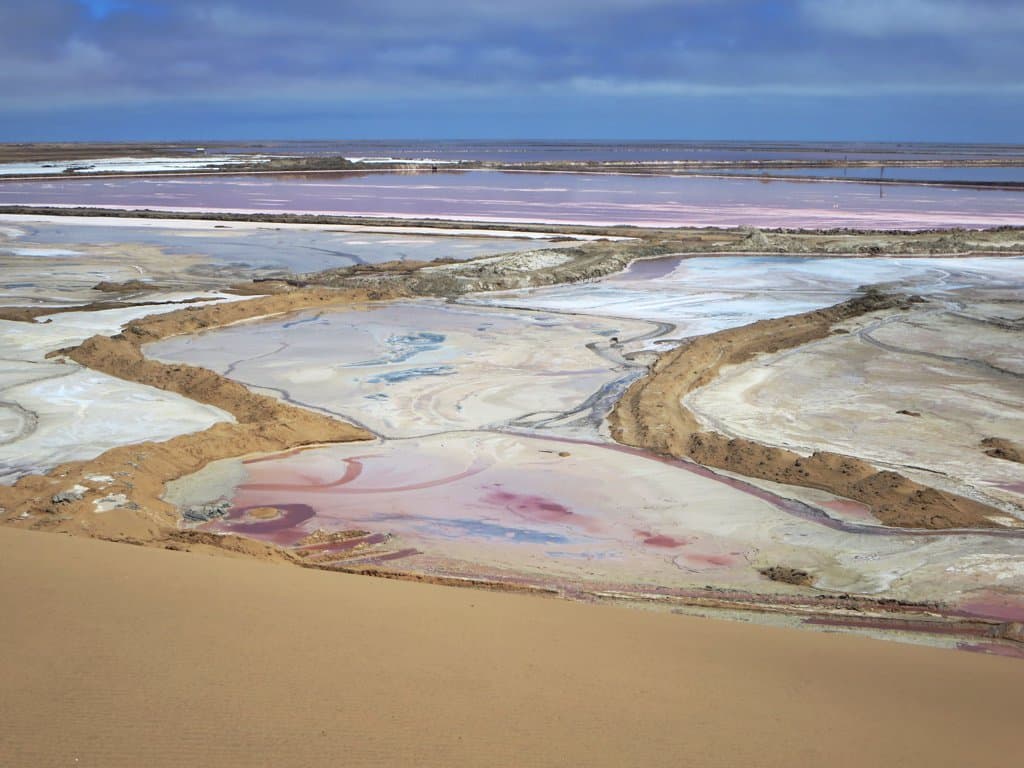
Rooibank Coast Beach marks a pivotal point where the iconic Namib Desert makes its grand entrance to the Atlantic. The journey here takes you past the final vestiges of human settlement, transitioning into a landscape dominated by towering sand formations and the rhythmic crash of ocean waves. The air carries the dry scent of desert dust mixed with the briny perfume of the sea.
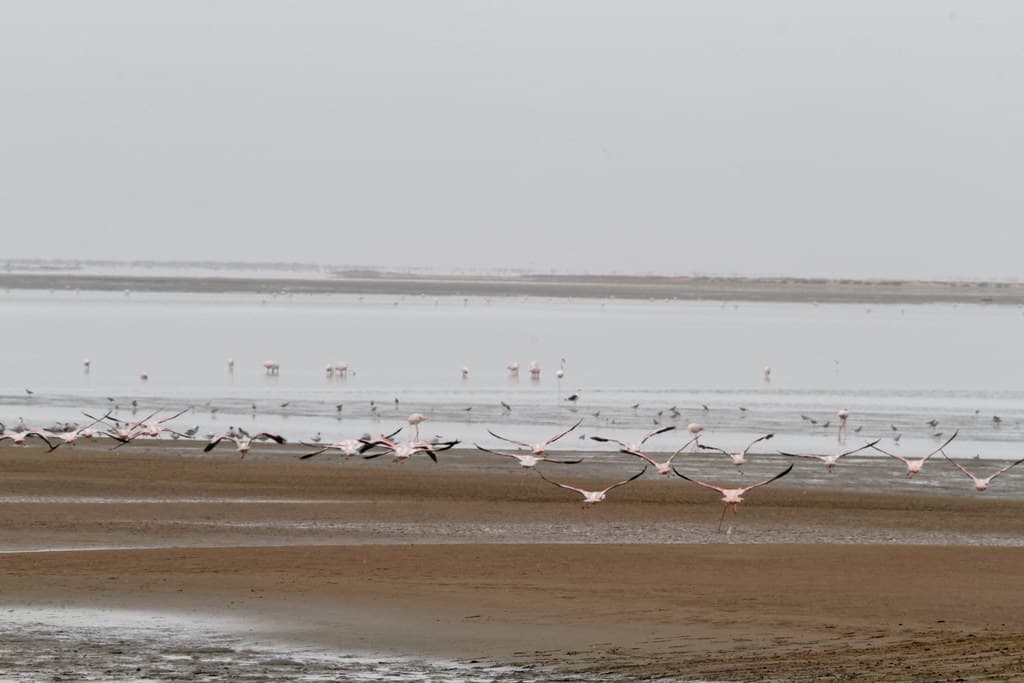
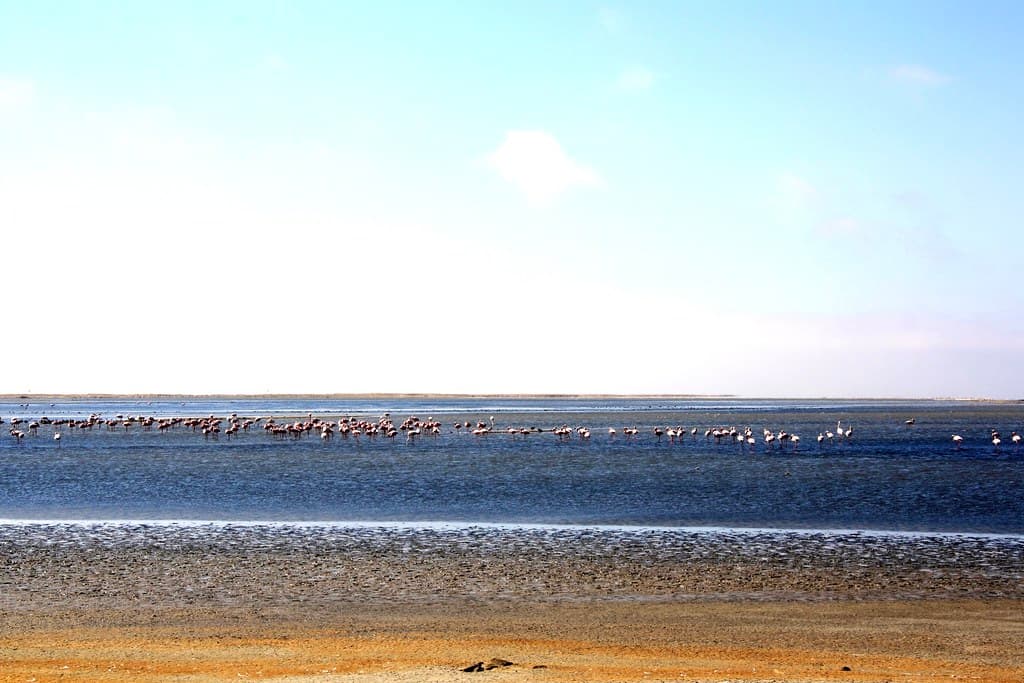
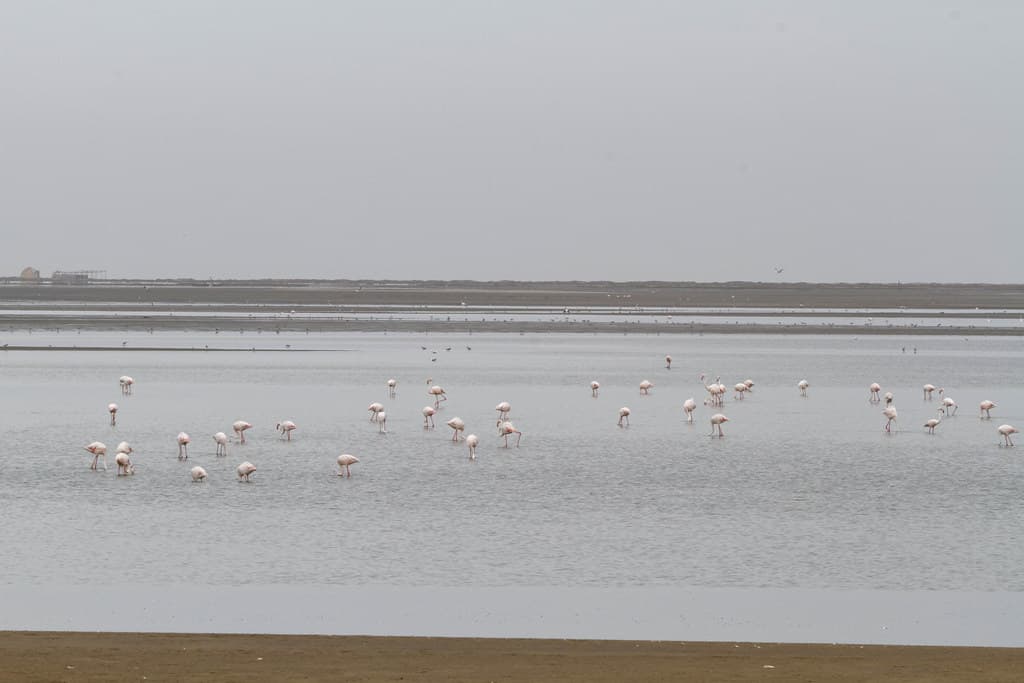
As you step onto the sand, the scale of the environment is striking. To one side, endless ochre dunes rise, their crests sharp against the blue sky. To the other, the Atlantic stretches, its surface often a deep, steel grey under the coastal fog or a vibrant blue on a clear day. The beach itself is a wide, firm expanse, perfect for long, contemplative walks.
Credit: FlickrDesert-Ocean Photography
Credit: FlickrCoastal Walks
Capture dramatic contrasts
Explore vast sandy stretches
Experience desert-edge views
Prime Visitation
Best Weather|Less Crowds
Where it is
Rooibank Coast Beach
Walvis Bay, Erongo Region, Namibia
-23.045000°, 14.495000°
Weather
Loading…
Swell
—
Temp
Warm · Restorative
UV Index
Moderate
Wind
—
Tidal State
Last known
Max Sunlight
—
Ideal Shade
—
May - Sep (Peak)
Jan - Dec (Off-season)
Best Weather|Less Crowds
Select a category to load nearby places.
Unlock restaurants, luxury stays and curated maritime experiences within 2km
While the Atlantic waters off the Namibian coast can be invigorating, they are generally cold and can have strong currents. Rooibank Coast Beach is more known for its scenic beauty and desert-edge location than for swimming. Always exercise caution if entering the water and be aware of local conditions. There are typically no lifeguards on duty, so swimming is at your own risk. The focus here is often on the unique coastal landscape rather than traditional beach activities.
The best time to visit Rooibank Coast Beach, like much of the Namibian coast, is generally during the cooler, drier months, typically from May to October. During this period, you'll experience more moderate temperatures and less chance of the coastal fog that can sometimes obscure views. This also tends to be a less crowded time, allowing for a more serene experience of this scenic and hidden desert-edge beach south of Walvis Bay. Always check local forecasts before your trip.
Rooibank Coast Beach is located south of Walvis Bay, leading into the protected Namib coast. Access often involves navigating tracks that can be sandy or uneven. While a standard vehicle might suffice for some initial sections, a 4x4 is highly recommended, and often necessary, to comfortably and safely reach this more remote and hidden beach, especially if you plan to explore further along the coast. It's advisable to travel with appropriate recovery gear and inform someone of your route.
Rooibank Coast Beach is a remote and undeveloped area, known for its natural beauty and 'hidden' feel. Consequently, there are no direct food or lodging options at the beach itself. Visitors should plan to be entirely self-sufficient, bringing all necessary provisions, water, and equipment for their visit. The closest amenities, including restaurants, shops, and various accommodation types, would be found in Walvis Bay, which serves as the primary hub for this coastal region.
Rooibank Coast Beach stands out due to its unique position at the very edge of the Namib Desert, south of Walvis Bay. It offers a dramatic juxtaposition of towering sand dunes meeting the Atlantic Ocean, creating a truly scenic and wild landscape. Unlike more accessible beaches, its 'hidden' nature means fewer crowds, providing a more solitary and immersive experience of the raw, untamed Namibian coastline. It serves as a gateway to the more protected and remote sections of the Namib coast.
Photos