
Counting the waves…
Counting the waves…
A refined fusion of water purity, environmental stability, and communal vibrancy for Halifax Island Beach.
View MethodologyAnalyzed via live sensors and environmental data.
Wave height, wind, and atmospheric stability.
Live footfall and crowd balance metrics.
Community reviews and curated sentiment.
“Experience the raw power of the Atlantic at Halifax Island Beach, a rugged stretch of sand and rock teeming with avian life. This isolated island, just off the coast of Lüderitz, offers a starkly beautiful landscape…”
Limited recent visitor reports — live OBI telemetry is your best guide for current conditions.
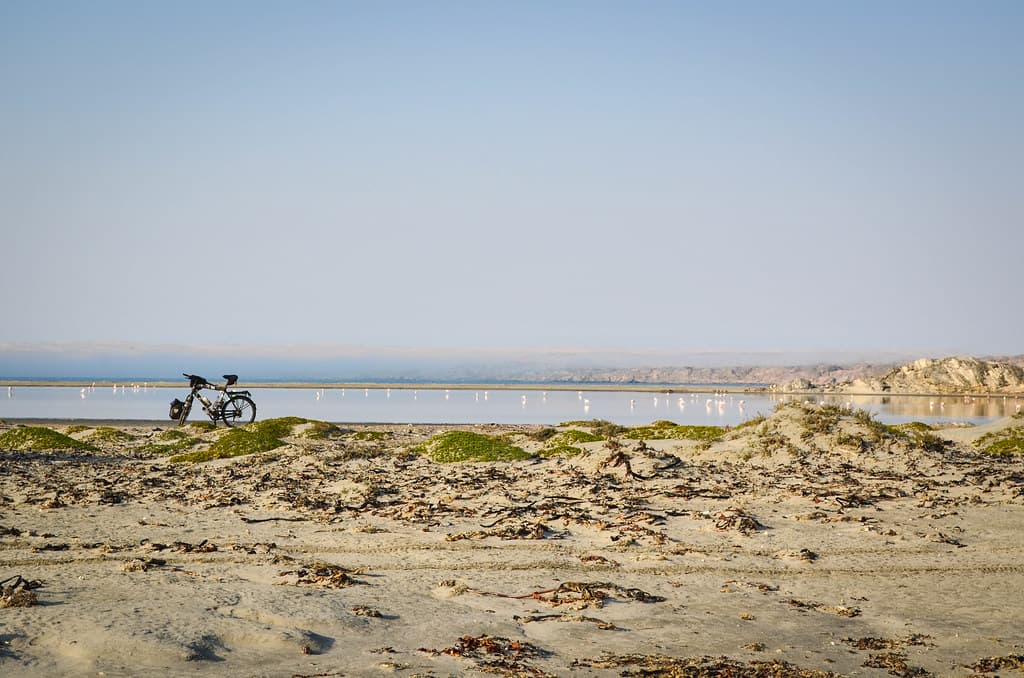
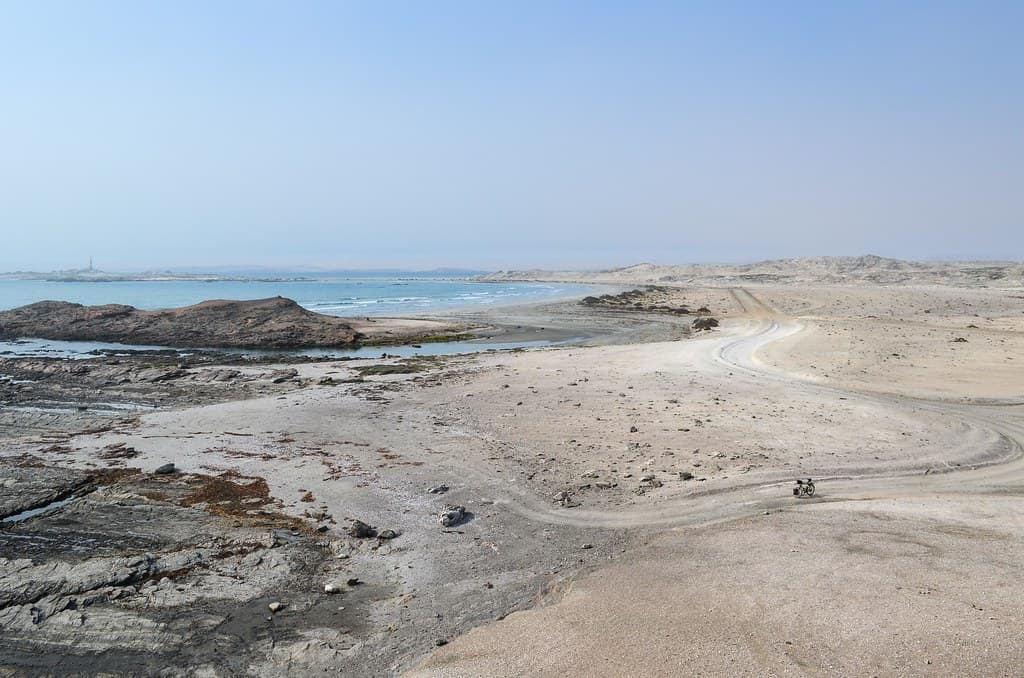
Approaching Halifax Island by boat, the first thing you'll notice is the sheer abundance of life. This small island is a critical breeding ground for African penguins, Cape gannets, and various cormorant species, their calls echoing across the water. The beach itself is a narrow, rocky strip, often dotted with the dark forms of seals basking in the sun or penguins waddling to and from the ocean. It's a sensory overload of sights and sounds, a testament to the resilience of nature in a harsh environment.
Stepping onto the island, you're immediately aware of the powerful Atlantic winds that have sculpted its every feature. The sand, coarse and shell-laden, crunches underfoot, leading to tide pools teeming with small marine creatures. The dramatic rock formations, carved by millennia of ocean spray, provide a stunning backdrop for the bustling bird colonies. Remember to maintain a respectful distance from the wildlife, allowing them to thrive undisturbed in their natural habitat.
Credit: FlickrWildlife Photography
Capture seabirds and seals
Explore rugged terrain
Spot penguins and gannets
Prime Visitation
Best Weather|Less Crowds
Where it is
Halifax Island Beach
Lüderitz, Karas, Namibia
-26.654900°, 15.078600°
Weather
Loading…
Swell
—
Temp
Warm · Restorative
UV Index
Moderate
Wind
—
Tidal State
Last known
Max Sunlight
—
Ideal Shade
—
Jan - Dec (Peak)
Mar - Nov (Off-season)
Best Weather|Less Crowds
Select a category to load nearby places.
Unlock restaurants, luxury stays and curated maritime experiences within 2km
Halifax Island Beach is primarily known for its stark offshore scenery and seabird habitat rather than swimming. The waters in this region can be cold and currents may be strong. There are no lifeguards or developed swimming facilities. Visitors should exercise extreme caution if considering entering the water and be aware of potential marine life and rocky shorelines. It's generally recommended to appreciate the island from a boat or the shore.
The best time to visit Halifax Island Beach for optimal weather and fewer crowds generally aligns with Namibia's cooler, drier months, typically from May to October. During this period, the weather is often more pleasant with less intense heat and clearer skies, making boat excursions more comfortable. This also tends to be outside of peak holiday seasons, offering a more serene experience.
Halifax Island Beach is an island location, so access is exclusively by boat. Visitors typically arrange boat tours or charters from Lüderitz. These tours often combine a visit to Halifax Island with other points of interest in the bay. There is no land access, and private boat arrangements should be made with local operators who are familiar with the area's marine conditions and regulations.
There are no food or lodging options directly on Halifax Island Beach. The island is a protected natural area, primarily a seabird habitat. Visitors typically access the island via day trips from Lüderitz, which offers a range of accommodation, dining, and provisioning services. It is advisable to bring any necessary snacks or drinks for your boat excursion to the island.
Halifax Island Beach is unique due to its significance as a seabird habitat and its stark, remote offshore scenery near Lüderitz. It offers a glimpse into Namibia's rugged coastal environment and its rich marine biodiversity, particularly the resident penguin colony. The island's isolation and the dramatic Atlantic coastline provide a distinct photographic and natural experience, setting it apart from more accessible mainland beaches.
Photos