
Counting the waves…
Counting the waves…

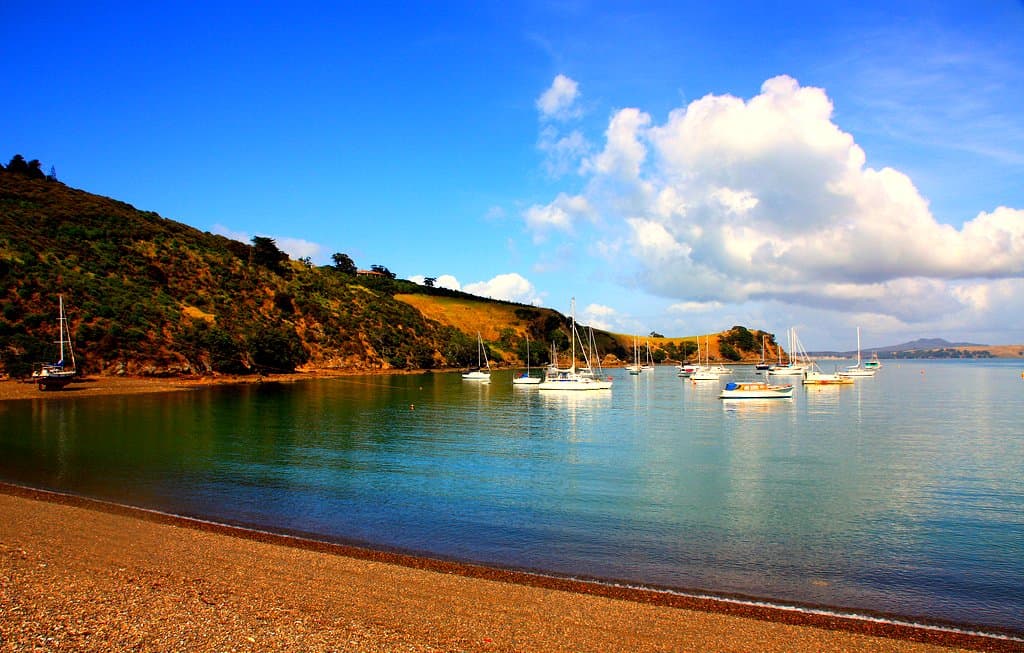
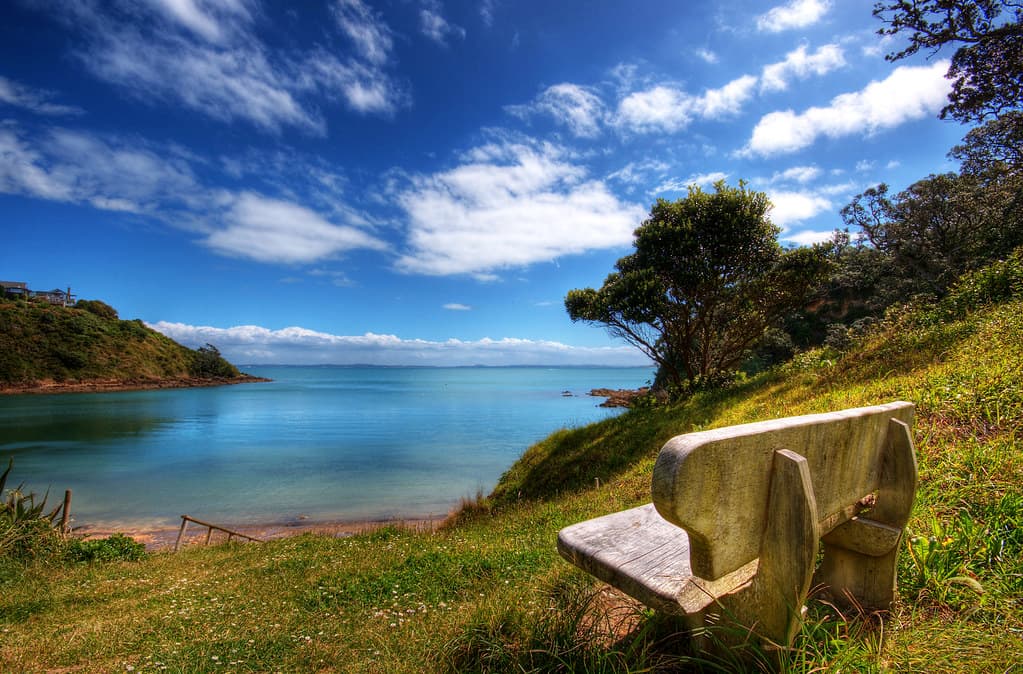
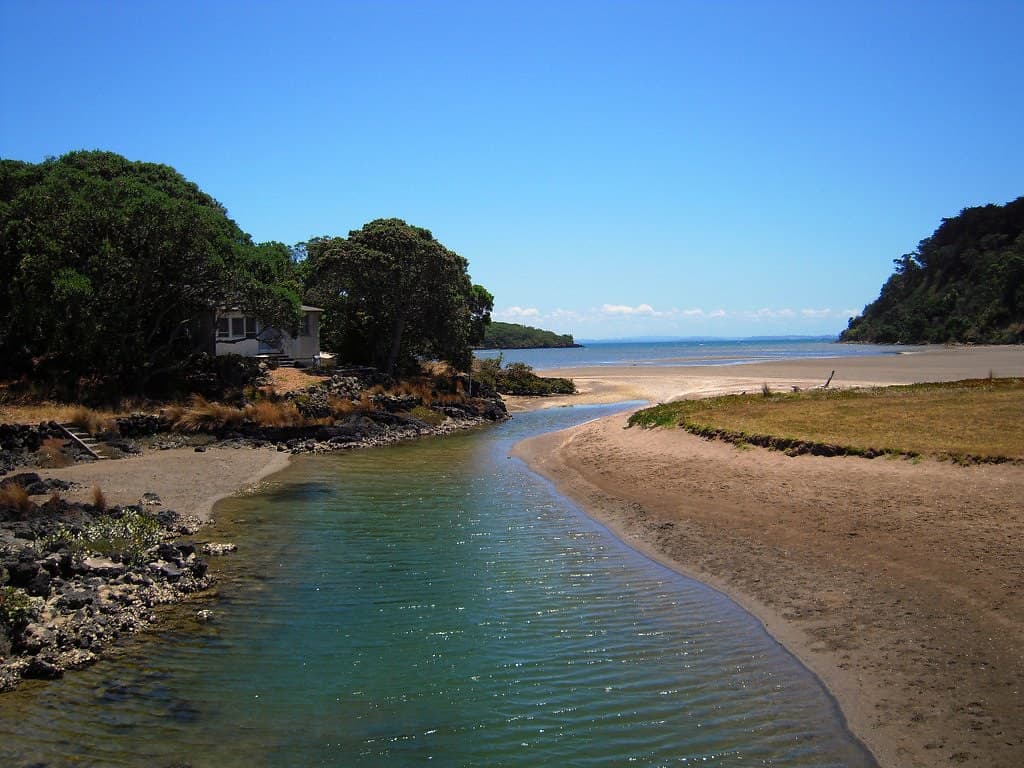
Ocean Beach stretches along Motuihe's northeastern shore, a broad sweep of fine sand that squeaks underfoot and shelves gently into shallows striped pale blue and jade. The beach faces the open gulf, but the island's bulk tempers the fetch, so most days the water rolls in with the kind of gentle, rhythmic wash that lulls toddlers to sleep on beach towels and tempts adults into long, aimless floats. Behind the high-tide mark, a fringe of native planting—kohekohe, karaka, flax—provides pockets of shade and a chorus of tui and fantails that seem unnervingly close after the urban din you left behind. You arrive by scheduled ferry from Auckland or private vessel, and within minutes of stepping ashore, the city's urgency feels abstract. The island is predator-free, a Department of Conservation showcase, and the beach itself is wide enough to absorb weekenders without crowding. Snorkelers hover over rocky outcrops at either end, inspecting sea stars and wrasse; children with buckets hunt for hermit crabs in tidal pools; couples walk barefoot to the southern headland and back. The sand is almost white, ground-down shells and volcanic minerals, and it stays cool even in midday heat. Pack everything in—there's a single composting toilet, nothing else—and carry it out. By late afternoon, when the ferry horn echoes from the wharf, you'll board reluctantly, hair stiff with salt, skin sun-tight, already planning the next visit.
Places, rentals, tours and events within walking and driving distance of Ocean Beach.
Photos
Ocean Beach is generally safe for swimming and well-suited for families, with calm waters typical of Hauraki Gulf island beaches. The white sand gently slopes into turquoise water, making it ideal for children. However, conditions vary with weather and tides, so always check forecasts before travelling. There are no lifeguards on duty, so supervise children closely. The beach is sheltered but can experience stronger currents during tidal changes. Basic facilities exist on Motuihe Island, but bring first aid supplies as emergency services require ferry or boat evacuation.
The best time to visit Ocean Beach is during New Zealand's summer months (December to March) when weather is warmest and seas are calmest. Weekdays and shoulder seasons (November, April) offer fewer crowds while still providing pleasant conditions. Ferry services operate more frequently in summer, making access easier. Early morning and late afternoon visits provide the best light for photography and typically calmer winds. Winter visits are possible but expect cooler temperatures, rougher seas, and reduced ferry schedules. Always check weather forecasts and ferry timetables before planning your trip.
Ocean Beach is accessible only by water, either via scheduled ferry services or private boat from Auckland. Ferry services to Motuihe Island typically depart from downtown Auckland wharves, with journey times around 60-90 minutes depending on the service. Ferry schedules vary seasonally, with more frequent services in summer. Private boats can anchor in designated areas around the island. Once on Motuihe, Ocean Beach is reachable via walking tracks from the main wharf. Check current ferry operators and book tickets in advance during peak season, as services may be limited.
Motuihe Island has very limited facilities, so visitors should bring all food and drinks needed for their visit. There are no cafes, restaurants, or shops on the island. Basic camping may be available with permits through the Department of Conservation, but check current regulations as policies can change. Most visitors come as day-trippers, bringing picnics and returning to Auckland on afternoon ferries. For overnight stays, consider accommodation on nearby Waiheke Island or in Auckland city. Pack out all rubbish as waste facilities are minimal.
Ocean Beach stands out for its combination of pristine white sand, remarkably turquoise water, and relative tranquility compared to more accessible gulf beaches. Motuihe Island is a conservation area undergoing ecological restoration, offering opportunities to see native wildlife and regenerating bush. The island's history includes use as a quarantine station, adding cultural interest. The beach's island location means clearer water than many mainland beaches, and the ferry journey itself provides scenic gulf views. The commitment required to reach it—ferry or private boat only—naturally limits crowds, creating a more peaceful beach experience.