
Counting the waves…
Counting the waves…
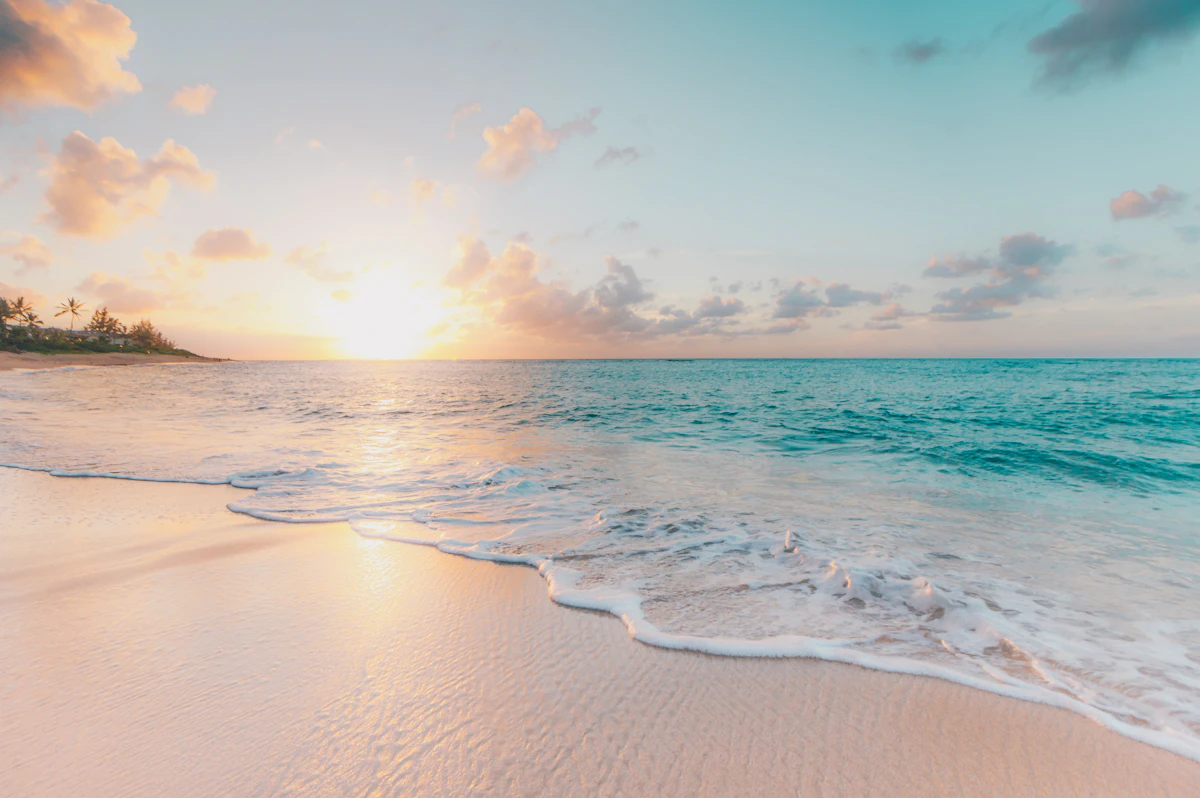
You step onto buff-coloured sand that holds warmth long after the Auckland sun dips behind the ridgeline. The beach runs a manageable five hundred metres, wide enough that rugby posts at the southern reserve never crowd the families spreading checked blankets near the surf club. Gentle swells fold onto the slope in lines so regular you can set your watch by them, each push of white water sliding up the packed sand before sinking back with a sibilant hiss. Kids dig moats in the mid-beach zone where the sand turns darker and wetter, their plastic spades clinking against the occasional shell fragment. The water温度 climbs through December and holds through March, tepid enough that no one rushes the entry. A wooden changing shed painted municipal cream stands behind the dunes, flanked by cold-water taps that run all year. By late afternoon the lifeguard flags come down and dog walkers claim the southern stretch, their animals plunging after tennis balls into the shallows. The smell of sausages drifts from the reserve barbecues, mingling with salt and the faint diesel note of an outboard motor putting in beyond the breakwater. This is a beach that does one thing well: it welcomes the everyday rituals of summer without asking you to drive three hours or brave a cliff path to reach it.
Places, rentals, tours and events within walking and driving distance of Red Beach.
Photos
Red Beach is generally safe for family swimming, particularly at high tide when the water is deeper. The beach has a gentle slope and is patrolled during summer weekends and public holidays. However, at low tide, extensive mudflats are exposed, making swimming less practical. Always swim between the flags when lifeguards are present, and be aware of tidal changes. The sheltered location on the Hibiscus Coast means wave conditions are typically calm, making it suitable for young children under supervision.
Red Beach can be visited year-round, with summer months (December-February) offering the warmest weather and water temperatures around 20-22°C. Weekday visits outside school holidays provide a quieter experience, while weekends attract local families. Visit around high tide for the best swimming conditions, as low tide exposes mudflats that limit water access. Early mornings offer peaceful walks and sunrises, while late afternoons provide good sunbathing conditions. The beach is less crowded than nearby Ōrewa, making it pleasant even during peak season.
Red Beach is approximately 40 kilometres north of central Auckland, about a 40-50 minute drive via State Highway 1. Exit at Ōrewa and follow Hibiscus Coast Highway northward. There is public parking available near the beach access points along Red Beach Road. Public transport options include catching a bus from Auckland to Ōrewa, then either walking (around 20 minutes) or taking a local bus connection. The beach is easily accessible for day trips from Auckland, though traffic can be heavy during summer weekends and holidays.
Red Beach is primarily a residential area with limited commercial facilities directly at the beach. Nearby Ōrewa (5 minutes south) offers supermarkets, cafes, restaurants, and takeaway options. Accommodation choices include holiday homes and rental properties in Red Beach itself, plus motels, hotels, and serviced apartments in Ōrewa and Whangaparāoa. For dining, visitors often head to Ōrewa's beachfront strip or Whangaparāoa Peninsula. Many visitors opt for self-catering in rental properties. It's advisable to bring supplies if planning a full beach day.
Red Beach sits between the busier Ōrewa Beach and Whangaparāoa Peninsula, offering a quieter, more residential atmosphere. The beach features a distinctive red-tinged pohutukawa-lined shore, which gives it its name. Unlike Ōrewa's commercial beachfront, Red Beach maintains a local neighbourhood feel with less tourist infrastructure. The tidal mudflats at low tide are more pronounced here, creating opportunities for exploring rock pools and observing marine life. It's favoured by locals for its relaxed vibe and serves as a peaceful alternative to more crowded nearby beaches.