Counting the waves…
Counting the waves…
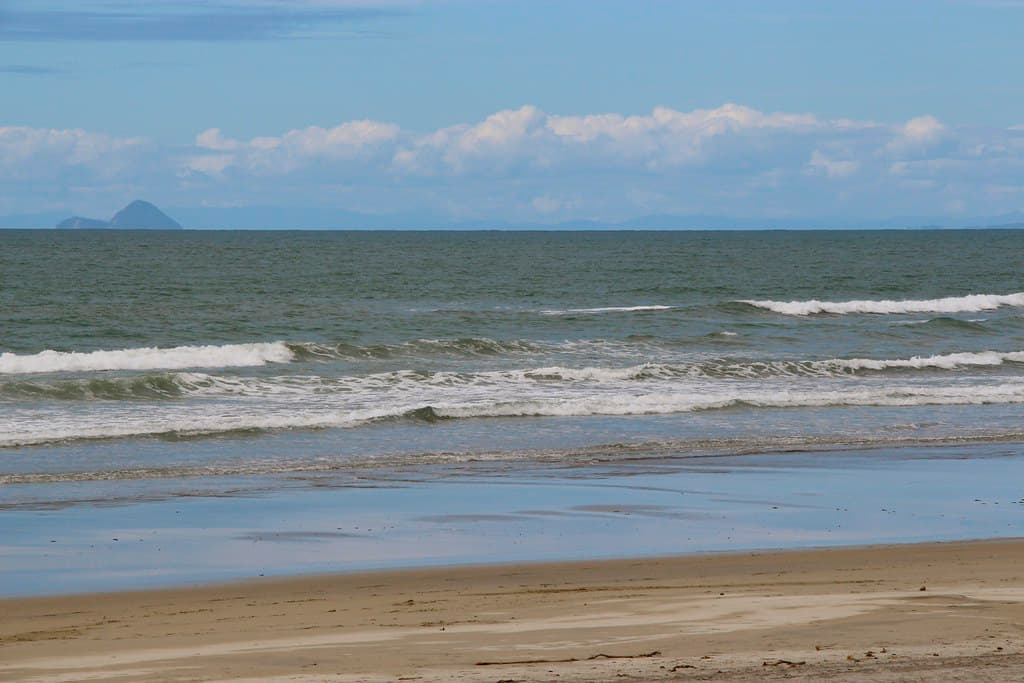
The beach at Maketu curves along the estuary's outer edge, where the Kaituna River's channelized flow meets the sea in a constant negotiation of current and tide. You'll notice the dual character immediately: sheltered estuary water on one side, open-coast surf on the other, with sandbars and channels threading between. The sand is fine and grey-gold, littered with pipi shells that locals still gather at low tide, continuing a harvesting tradition that reaches back centuries. Surf breaks along the ocean-facing shore in modest but reliable peaks, while the estuary side offers calmer water for swimming when the tide fills the flats. The beach isn't grand or dramatic—it's too lived-in for that—but it holds a particular character shaped by its working-village roots. You'll see locals checking craypots from dinghies, kids leaping off the wharf, and extended families setting up for the day with gazebos and portable tables laden with kai. Maketu village itself has weathered fortunes and setbacks—the kiwifruit boom, river redirections, the slow erosion of economic opportunity—but the beach remains a constant. Walk the shore toward Town Point and you'll find driftwood sculptures, fishing shacks, and views across to Matakana Island's long green spine. The light here is particular: soft and diffused by estuary moisture, painting everything in muted watercolor tones. It's a beach that rewards attention over spectacle.
Places, rentals, tours and events within walking and driving distance of Maketu Beach.
Photos
Maketu Beach offers both estuary and ocean swimming options. The estuary side is generally calmer and safer for families with young children, while the surf beach can have stronger currents and waves. There are no lifeguard patrols, so swim at your own risk and stay between the flags if they're present during summer. The estuary entrance can have strong rips, so avoid swimming near the channel. Always check local conditions and supervise children closely. The beach is popular with locals who understand the conditions well.
The best weather occurs during New Zealand's summer months from December to March, with warm temperatures and calmer seas ideal for swimming and surfing. This is also budget-friendly as you can enjoy free beach activities. For fewer crowds, visit during shoulder seasons in November or April when weather is still pleasant. Early mornings offer peaceful beach walks and excellent light for photography. Weekdays are quieter than weekends. Low tide reveals extensive sand flats in the estuary, perfect for exploring with children.
Maketu Beach is located approximately 25 kilometers southeast of Te Puke and 90 kilometers from Rotorua. The most common route is via State Highway 2, turning onto Maketu Road. The beach is well-signposted from the main highway. There's parking available near the beach and at various access points around the estuary. No public transport directly serves Maketu, so a private vehicle is essential. The drive from Tauranga takes about 40 minutes. Roads are sealed and suitable for all vehicles.
Maketu village has limited but quality local options. The town is famous for its pies, available at local shops. You'll find a small supermarket, cafe, and fish and chip shop for casual dining. Accommodation options include holiday homes, baches (beach cottages) available for rent, and nearby camping grounds. For more extensive dining and lodging choices, Te Puke and Tauranga are within 30-45 minutes' drive. Many visitors stay in self-catering accommodation given the village's small size. Book ahead during summer holidays.
Maketu Beach stands out for its rich Māori history and cultural significance as an early settlement site. The combination of estuary and ocean beach in one location offers diverse beach experiences. The Kaituna River mouth creates unique landscapes with tidal flats, bird life, and shellfish beds valued by locals. The village maintains an authentic, uncommercialized character rarely found in Bay of Plenty coastal areas. It's also known for traditional whitebait fishing and strong community connections to the land and sea through generations.