

Counting the waves…
Counting the waves…
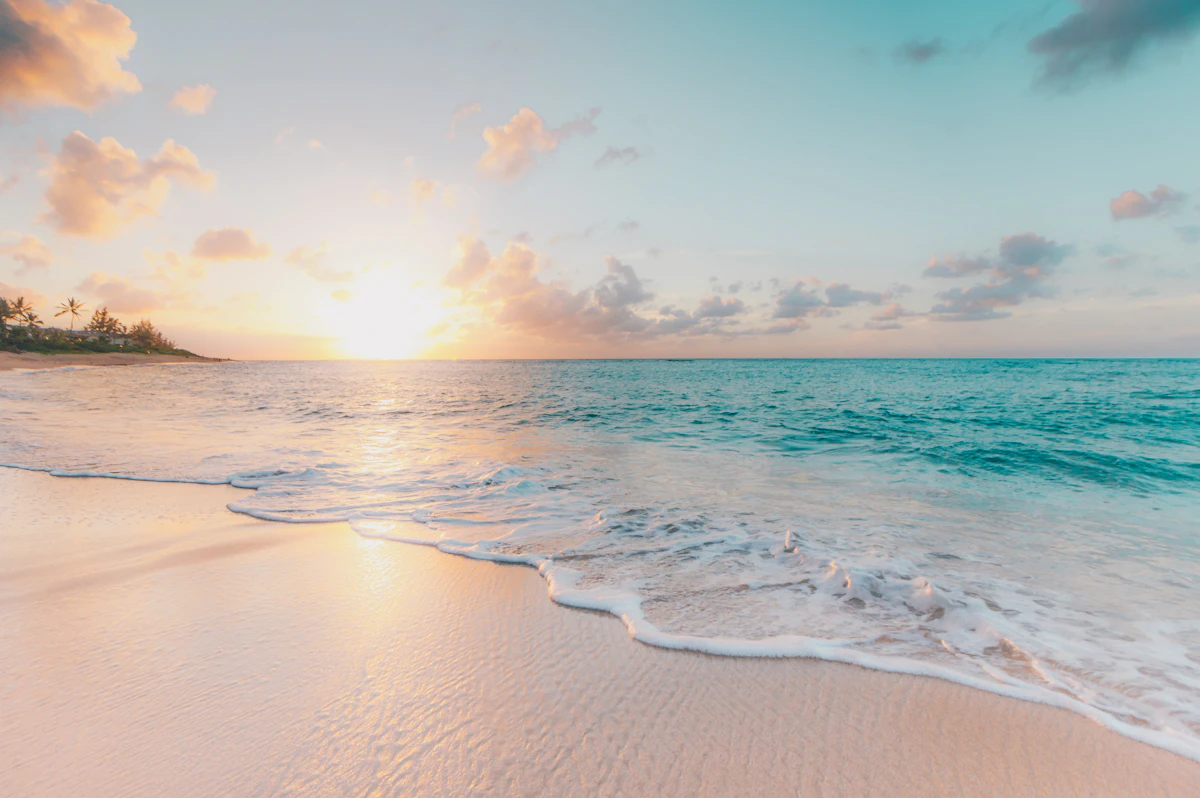
You'll descend into Gore Bay through rolling sheep country, the road winding past macrocarpa hedges until suddenly the Pacific fills your windscreen and the Cathedral Cliffs rear up to the south—towering limestone formations sculpted by millennia of wind and salt spray. The village itself clusters around the bay: a general store, a campground, and weatherboard baches with peeling paint and names like "Seaview" hand-lettered on driftwood signs. The beach curves in a gentle arc, its sand fine and blonde, packed hard enough at low tide to cycle on. Families stake out territories with windbreaks and umbrellas while children dig moats around sandcastles that won't survive the incoming tide. The surf here is consistent—rideable peaks that peel left and right, drawing boardriders from Christchurch and beyond. Between sets, you can float on your back and study the cliff face, picking out the columnar formations that give the place its ecclesiastical nickname. Walk south along the beach and the cliffs grow closer, their base littered with house-sized boulders and rockpools where children crouch with nets. The strata tell a geological story in layers of cream and ochre, each band recording an ancient seabed now thrust skyward. At high tide, waves slam into the rock, sending spray twenty feet up the face. Gore Bay's beauty is neither subtle nor undiscovered—Instagram has seen to that—but standing beneath those cliffs, you understand why people return summer after summer.
Places, rentals, tours and events within walking and driving distance of Gore Bay.
Photos
Gore Bay is an open-ocean beach with variable conditions depending on swell and weather. Swimming is possible but exercise caution as there are no lifeguard patrols. The beach can experience strong currents, rips, and significant surf, particularly during nor'west winds or southerly swells. Calmer conditions typically occur during light offshore winds and smaller swells. Always check conditions before entering the water and never swim alone. The beach is more suited to confident swimmers and surfers. Families with young children should supervise closely and stay in shallower areas during calm conditions.
Gore Bay is most pleasant during late spring to early autumn (November to April) when temperatures are warmer and daylight hours longer. Summer school holidays (late December to late January) bring more visitors, especially to the holiday settlement. For fewer crowds, visit during shoulder seasons—November, February, or March—when weather is still generally good. Midweek visits are quieter than weekends. Winter can be dramatic with storm-watching opportunities, but conditions are often windy and cold. Early mornings year-round offer peaceful experiences and good light for photography of the Cathedral Cliffs.
Gore Bay is located approximately 90 minutes north of Christchurch via State Highway 1, then turning off at the Cheviot turnoff. The access road is sealed to the settlement, so a standard vehicle is perfectly suitable—no 4WD required. From the Gore Bay settlement, parking is available near the beach. The beach itself is accessible by 2WD vehicles in most conditions, though check locally if planning to drive on sand. Public transport options are extremely limited; driving is the most practical option. The journey offers scenic countryside views through North Canterbury farmland.
Gore Bay is a small holiday settlement with limited commercial facilities. There's typically a small store/dairy open during summer for basic supplies, but options are minimal. The nearest substantial shopping and dining is in Cheviot (about 20 minutes away) or Waipara. Accommodation consists primarily of private holiday homes and baches available for rent, plus a camping ground. Visitors should bring most food supplies with them or plan to shop in larger towns before arriving. The settlement has a community hall and limited seasonal amenities. Self-catering is essential for most stays.
The Cathedral Cliffs are dramatic limestone formations rising behind Gore Bay, creating spectacular white cliffs and pinnacles that resemble Gothic cathedral architecture. They're one of North Canterbury's most distinctive geological features and highly photogenic. The cliffs form a stunning backdrop to the beach and are visible throughout the area. While you can view them from the beach and settlement, the cliffs themselves are on private farmland, and direct access is restricted. The best views are from the beach looking inland, particularly during golden hour for photography. Respect private property boundaries when exploring.