Counting the waves…
Counting the waves…
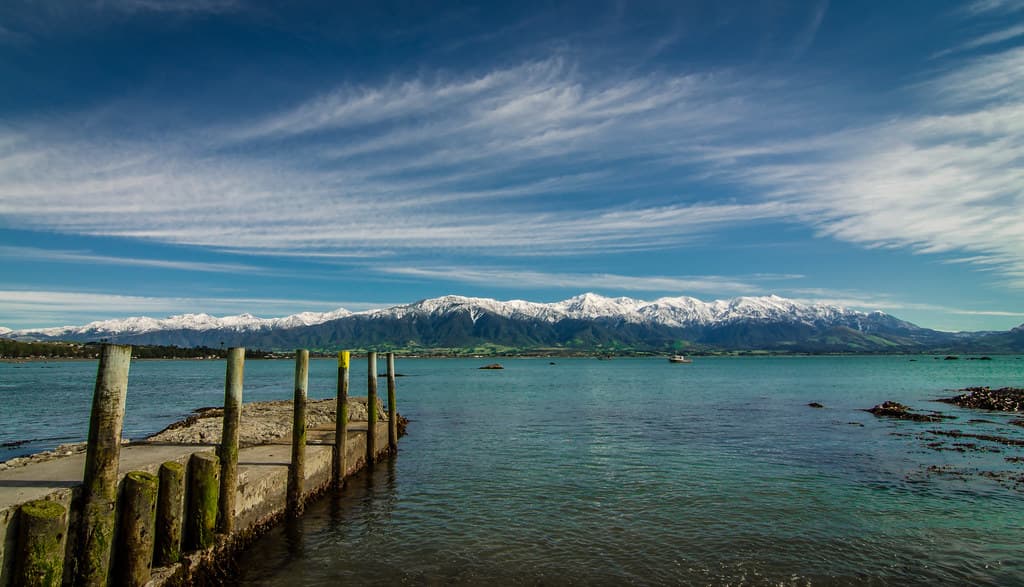
Tirohanga sits exposed to every mood the Pacific can muster. On calm mornings the sea lies flat as lacquer, refracting turquoise over the pale stones; by afternoon the nor'wester churns it into white-capped chaos. The beach itself is small—two hundred metres of pebbles cupped between rocky headlands that jut like broken teeth. Above, the cliffs rise in tiers of tussock and scrub, striations of sediment visible where landslips have peeled back the hillside. You'll have the place to yourself more often than not. The access road discourages casual visitors: unsealed, steep, and just wide enough for one vehicle, it demands attention and rewards it with views that stop you mid-descent. Pull over at the lookout halfway down and watch gannets fold their wings into vertical dives, spearing the surface a hundred metres offshore. The impact is audible even over the wind. Down on the stones, the exposure becomes tangible. There's no shelter, no trees, just you and the elements negotiating terms. The tide pools in the rocks at low water harbour tiny crabs and purple anemones. Driftwood logs, bleached silver, mark the high-tide line. If you've driven this far, you've come for the scenery and the silence—both are guaranteed, weather permitting. When the wind picks up, it's time to climb back out.
Places, rentals, tours and events within walking and driving distance of Tirohanga Beach.
Photos
Tirohanga Beach is exposed to open coastal conditions, making swimming challenging and potentially hazardous. The pebble beach and exposure to strong ocean currents, waves, and cold water temperatures typical of the Kaikōura coast mean swimming is generally not recommended. There are no lifeguard services or facilities. The beach is better suited for coastal exploration, photography, and scenic appreciation. If you do enter the water, exercise extreme caution, never swim alone, and be prepared for very cold temperatures year-round. Check weather and sea conditions before visiting.
Visit Tirohanga Beach during less crowded periods for the best experience, particularly on weekdays or during shoulder seasons. The beach's primary appeal is its scenic drive value and remote atmosphere, which can be enjoyed year-round. Summer months offer the most pleasant weather for exploring, though conditions can be windy. Early morning or late afternoon provides the best lighting for photography of the dramatic coastal landscape. Because it's a hidden gem north of Kaikōura, you're likely to have the beach largely to yourself regardless of when you visit.
Tirohanga Beach is located north of Kaikōura along State Highway 1, accessed via a scenic coastal drive. From Kaikōura town, drive north for several kilometres looking for beach access points along the highway. The exact access may require local knowledge or GPS navigation. Roads can be narrow and winding in places. A standard vehicle is typically sufficient, though conditions can vary. Allow time to enjoy the spectacular coastal scenery along the route. The drive itself is part of the attraction, offering stunning views of the Pacific Ocean and Seaward Kaikōura Range.
Tirohanga Beach has no facilities on-site, so plan accordingly. Your best option for food and accommodation is Kaikōura township, located south of the beach. Kaikōura offers a full range of services including restaurants specializing in fresh seafood, cafes, grocery stores, and various accommodation types from camping grounds to hotels. Pack food, water, and supplies before visiting the beach, as there are no shops or services in the immediate vicinity. The remote nature of the beach is part of its appeal but requires advance preparation.
Tirohanga Beach stands out for its remote, exposed character and the spectacular scenic drive required to reach it. Unlike more accessible Kaikōura beaches, this small coastal beach offers solitude and unspoiled natural beauty. The dramatic coastline, rugged pebble shore, and sweeping ocean views create a wild, windswept atmosphere perfect for those seeking a genuine wilderness beach experience. It's ideal for photographers, nature lovers, and travellers who appreciate off-the-beaten-path destinations. The journey along the coastal route provides constantly changing vistas of mountains meeting the sea.