

Counting the waves…
Counting the waves…
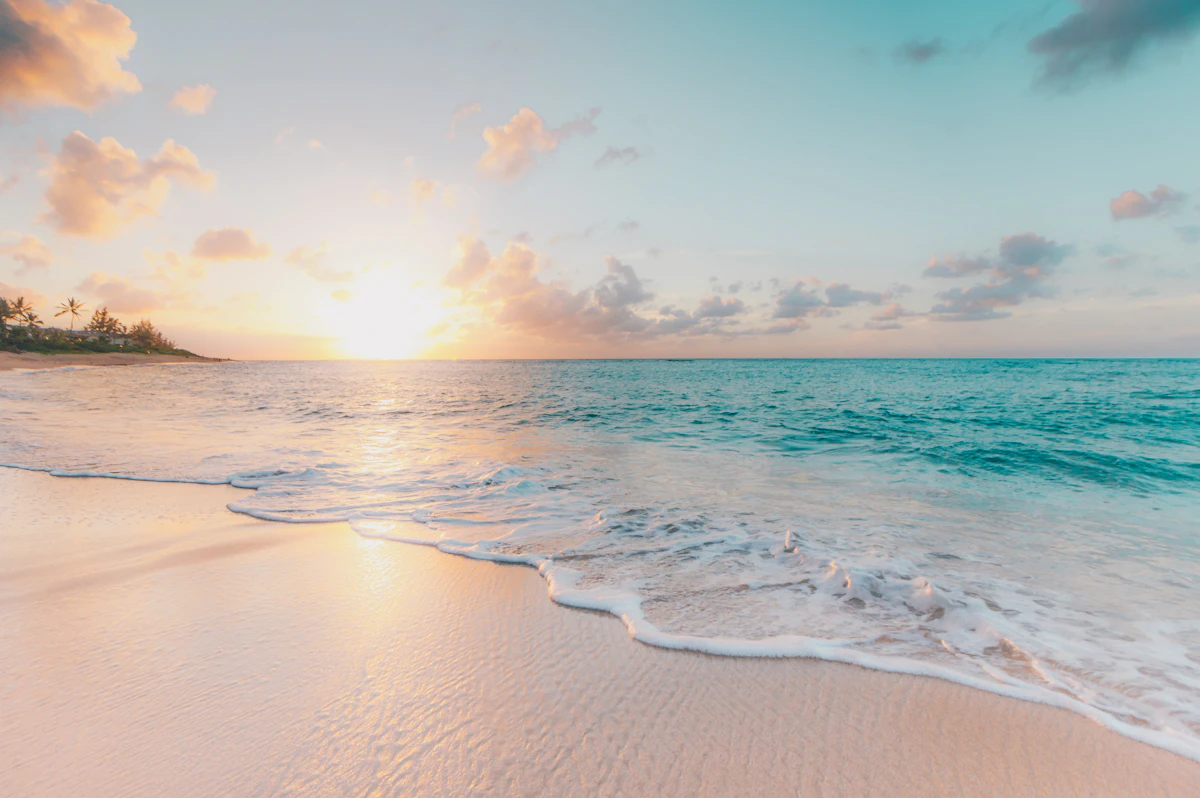
Access to Hakepa Beach requires either a boat or a challenging hike across Pitt Island's interior—there are no roads, no marked trails, just rough paths that local farmers navigate by memory. When you finally descend into the cove, the contrast with the exposed coast startles. The roar of open ocean softens to gentle lapping. The water inside the cove shifts between emerald and sapphire, so clear you can count pebbles three meters down. The beach itself is compact, perhaps fifty meters of coarse sand mixed with rounded stones. At low tide, the cove's true character reveals itself: tide pools scattered across the rocky platforms, each one a miniature ecosystem. You'll find anemones pulsing softly, crabs skittering under overhangs, small fish trapped temporarily until the sea returns. Barnacles encrust every surface above the waterline, their shells forming rough mosaics in white and gray. The cove faces east, catching morning light that illuminates the water from beneath, making it glow. By afternoon, the cliffs cast shadows across half the beach, creating pockets of coolness. Flax bushes cling to the slopes above, their silhouettes stark against the sky. Sometimes you'll spot a yellow-crowned parakeet—endemic to the Chathams—darting between the vegetation, adding flashes of bright color to the muted coastal palette.
Places, rentals, tours and events within walking and driving distance of Hakepa Beach.
Photos
Swimming conditions at Hakepa Beach depend heavily on weather and sea state. The Chatham Islands experience strong oceanic swells, unpredictable currents, and cool water temperatures year-round. As a remote cove with no lifeguard services or emergency facilities nearby, extreme caution is essential. Always check local conditions before entering the water, never swim alone, and be aware that help is not readily available. The isolation means any incident becomes a serious emergency, so most visitors enjoy wading and beachcombing rather than swimming.
The best time to visit Hakepa Beach is during the austral summer months from December to March, when weather is generally more settled and daylight hours are longer. However, the Chatham Islands are known for rapidly changing conditions year-round. Visiting during less crowded periods is easy as tourism remains minimal throughout the year. Plan your trip around calm weather windows, as boat access can be affected by wind and swell. Always build flexibility into your schedule to account for weather delays and cancellations.
Reaching Hakepa Beach requires multiple steps. First, fly from New Zealand's main islands to Chatham Island (Waitangi). From there, arrange boat transport to Pitt Island, typically with local operators or by chartered vessel, as there is no regular ferry service. Once on Pitt Island, reaching Hakepa Beach may require further boat access or walking depending on conditions and tides. The entire journey requires advance planning, local contacts, and flexibility due to weather. Most visitors arrange logistics through Chatham Islands tour operators who have established relationships with Pitt Island residents.
Pitt Island has extremely limited visitor infrastructure, with no commercial accommodation or restaurants. Most visitors arrange homestays with local families or camp with permission from landowners. You must bring all food supplies from Chatham Island or mainland New Zealand, as there are no shops on Pitt Island. The small resident population means advance arrangements are essential. Some Chatham Islands tour packages include accommodation and meals as part of organized trips. Self-sufficiency is crucial, and you should carry extra supplies in case weather delays your departure.
Hakepa Beach offers exceptional remoteness even by Chatham Islands standards, being located on Pitt Island rather than the main island. Its cove setting provides some shelter and creates a distinct intimate atmosphere. The beach sees virtually no tourists, offering true solitude and the chance to experience one of the world's most isolated coastal environments. Being among the first places on Earth to see each new day due to the islands' eastern location adds symbolic significance. The surrounding landscape reflects the unique flora and geology found only in this archipelago.