Counting the waves…
Counting the waves…
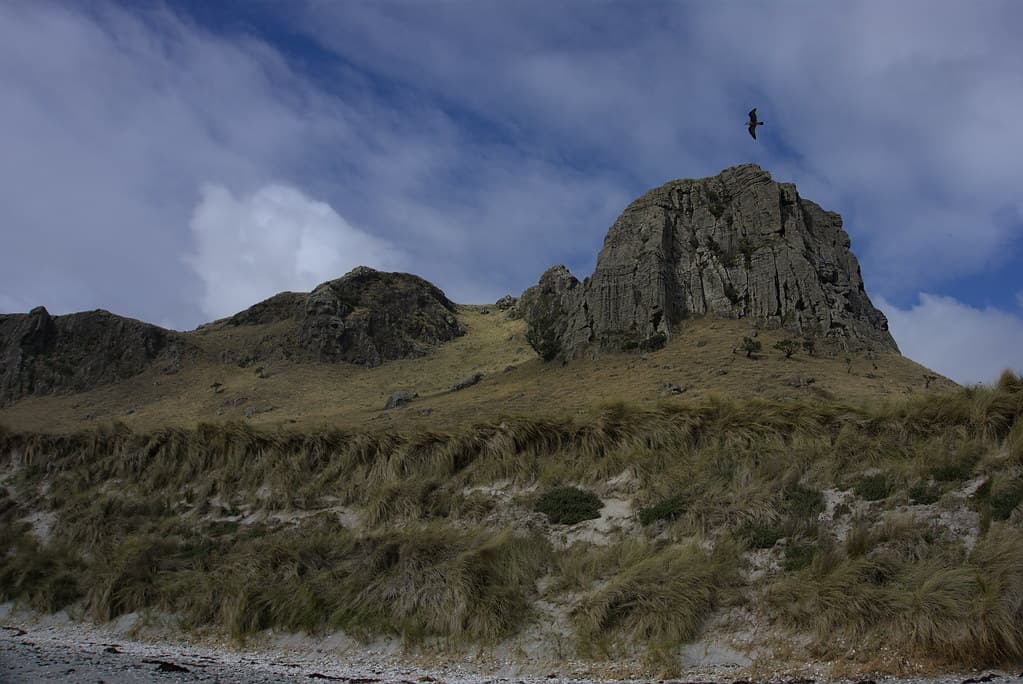
Getting to Tioriori means committing—the roads peter into tracks, the tracks narrow to sheep paths, and eventually you're picking your way through coastal scrub that smells of manuka and salt spray. Then the vegetation gives way and the beach unfolds, a sweep of dark sand flanked by low bluffs and driftwood accumulations that suggest decades of storms. The Tasman stretches to the horizon, its surface textured by wind into endless variations of grey and green. Sunset here lacks witnesses. The light hits the water at an angle that turns the surface molten, and the wet sand reflects the sky so perfectly you feel suspended between two versions of the same fire. Clouds stack on the western horizon in layers of crimson and violet, and the air stills just enough that you can hear individual waves collapsing rather than just the ocean's general roar. Oystercatchers pipe from the tideline, their calls sharp and somehow lonely. This is a beach for people who measure value in absence—no footprints except yours, no engine noise, no glow of settlement lights. Just sand and sea and the kind of quiet that makes you aware of your own breathing. The northern location means fewer visitors venture this far, even among the Chathams' already minimal tourist traffic. That obscurity is Tioriori's greatest asset.
Places, rentals, tours and events within walking and driving distance of Tioriori Beach.
Photos
Swimming at Tioriori Beach should be approached with caution, as with all Chatham Islands beaches. There are no lifeguards, safety facilities, or emergency services nearby. Conditions can vary significantly with tides, weather, and season. The northern location may offer some variability in wave action compared to fully exposed coasts, but currents and cold water remain concerns. Most visitors find the beach better suited to walking, exploring, and photography rather than swimming. If you choose to enter the water, stay alert, don't go alone, and remain close to shore.
The best period to visit Tioriori Beach is during the summer months from December to March when temperatures are warmest and weather most predictable, though conditions remain changeable. The beach's northern position can offer interesting light throughout the day. Since it's often overlooked by visitors focused on main settlements, you'll find solitude in any season. Late afternoon visits can be particularly rewarding for sunset photography. Weather on the Chatham Islands is famously variable, so always pack layers and be prepared for wind regardless of when you visit.
Reaching Tioriori Beach starts with a flight to the Chatham Islands via Air Chathams. Once there, you'll need a rental vehicle or private transport, as the beach is located away from main settlements in a northern area without public transport. Book rental cars well ahead due to limited availability. Local roads may be unsealed and remote. Check with your accommodation provider or locals for current access conditions and specific directions. The journey requires self-sufficiency, so ensure you have a full tank, supplies, and inform someone of your plans before heading out.
There are no accommodation or dining facilities at or near Tioriori Beach. Visitors must stay in one of the small settlements like Waitangi, which offers limited lodges and homestays that should be booked well in advance. Dining options are minimal across the Chatham Islands, with only a few basic eateries. When visiting remote beaches like Tioriori, bring all necessary food, water, and supplies with you. Self-catering is standard practice. Small stores in main settlements stock essentials, but selection is limited compared to mainland New Zealand.
Tioriori Beach is worth visiting precisely because it's easily overlooked and off most visitors' radar. Its northern location offers different perspectives and lighting compared to more accessible beaches, creating unique photographic opportunities. The low-key, undeveloped nature means you'll almost certainly have the beach completely to yourself, offering rare solitude and authentic wilderness. The sense of discovery and remoteness is powerful here. For travelers who value genuine isolation, untouched coastal scenery, and the feeling of finding a hidden gem, Tioriori delivers an uncommercial, intimate beach experience unlike typical tourist destinations.