Counting the waves…
Counting the waves…

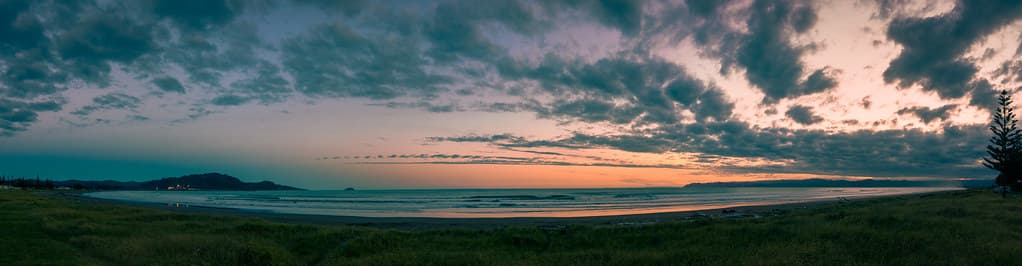
Hamanatua sits in the transition zone between Gisborne's popular beach suburbs, small enough that it maintains the feel of a locals-only spot despite being technically accessible to anyone willing to navigate the slightly overgrown track down. The beach itself measures perhaps two hundred meters end to end, hemmed in by rocky points that define the surf zone with geological precision. At low tide, the reef structure reveals itself—dark platforms of volcanic rock stippled with Neptune's necklace and small anemones in the tide pools. The waves here break with more personality than the open beach pounds to the north and south. The reef bottom shapes the swells into defined peaks, offering both left and right options depending on the sandbar configuration and swell direction. Regulars sit deep, knowing exactly where the boils indicate submerged rock and where the channel offers easy paddling back out. The beach sand is coarse, mixed with small stones, and the shore break can be punchy even on modest days. Between sessions, you'll find shade beneath the pohutukawa that overhang the beach's southern end, their gnarled roots creating natural seating. The crowd here skews toward working locals who check it on their way to or from town—teachers, tradies, the occasional fisherman casting into the gutters for kahawai. It's functional rather than scenic in the postcard sense, valued for waves and proximity rather than amenities or views.
Places, rentals, tours and events within walking and driving distance of Hamanatua Beach.
Photos
Hamanatua Beach is exposed to open ocean conditions and can have strong currents and surf, typical of East Cape beaches. There are no lifeguard patrols at this small, local beach. Swimmers should be confident in their abilities and assess conditions carefully before entering the water. It's best to swim during calm weather and always stay within your depth. If you're unsure about conditions, the nearby patrolled Wainui Beach offers a safer alternative with lifeguard services during summer months.
The best time to visit Hamanatua Beach is during New Zealand's summer months (December to February) for the warmest weather and calmer ocean conditions. However, visiting during shoulder seasons (spring and autumn) offers fewer crowds while still providing pleasant weather. Early mornings are ideal for experiencing the beach's local character and better surf conditions. Gisborne enjoys relatively mild weather year-round and is known as the first city in the world to see the sunrise, making dawn visits particularly special.
Hamanatua Beach is located along the Wainui-Makorori coastal corridor, approximately 10-15 minutes' drive north of central Gisborne. Take State Highway 35 heading north towards Tolaga Bay, and access is via local coastal roads in the area between Wainui and Makorori beaches. A vehicle is essential as public transport options are limited in this coastal area. The beach is relatively small and used primarily by locals, so signage may be minimal. Look for beach access points along the coastal road.
As a small local beach, Hamanatua itself has limited facilities. Nearby Wainui Beach has a few cafes and takeaway options, while the main range of restaurants, supermarkets, and dining choices are in Gisborne city, just 10-15 minutes away. Accommodation options include holiday homes and rentals in the Wainui-Makorori area, or you can stay in central Gisborne which offers hotels, motels, and backpackers. The nearby beach communities have a relaxed, residential character, so it's best to stock up on supplies in town.
Hamanatua Beach offers an authentic local experience away from the more popular tourist beaches in the Gisborne area. Unlike the bustling Wainui Beach, Hamanatua maintains a quiet, residential character with genuine local use rather than heavy tourism. Its position in the Wainui-Makorori corridor means it's part of a beautiful coastal stretch but remains relatively hidden and uncrowded. The beach attracts surfers looking for less competitive breaks and visitors seeking a more intimate connection with the East Cape coastline, offering scenic beauty without the facilities or crowds.