Counting the waves…
Counting the waves…
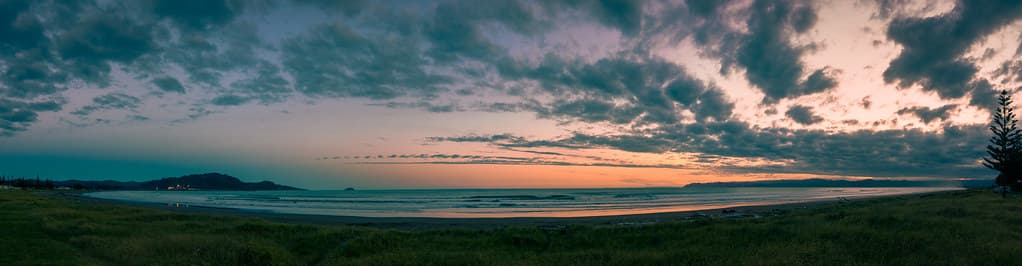
You'll leave your car at a gravel pullout and scramble down a short, root-tangled path that opens onto sand the color of biscotti. The cove curves no more than a hundred meters, bordered on each flank by dark volcanic fingers that trap warmth and cut the southerly wind. At high tide the sea laps within arm's reach of the grass; at low, a shelf of pocked stone emerges, dimpled with anemones and darting shrimp. Bring a mask. The water beyond the rocks holds schools of parore and the occasional stingray ghosting over sand ripples. You won't find facilities or surf-club flags—just a weathered bench under a sprawling pohutukawa and the occasional local couple spreading a picnic blanket. Mornings deliver glassy conditions; by noon the offshore breeze ruffles the surface into a million silver scales. The absence of crowds isn't accidental. Sponge Bay requires intention: a willingness to drive past better-signposted beaches and trust that a nameless turn will deliver something quieter. Most visitors never leave Wainui's long strand, and that solitude is the cove's currency. Pack out what you carry in—there are no bins—and time your visit for a rising tide when the rock platforms vanish and the water deepens enough for a proper swim.
Places, rentals, tours and events within walking and driving distance of Sponge Bay.
Photos
Sponge Bay is a small, sheltered cove that offers more protected conditions than the exposed surf beaches nearby, making it suitable for swimming on calm days. The rocky environment and clearer water create opportunities for snorkelling and exploring marine life around the rocks. However, conditions depend heavily on swell and weather—easterly swells can still make the bay choppy. There are no lifeguard services, and the cove's rocky entry points require care. The sheltered nature makes it popular for couples and those seeking a quieter swimming spot, but always check conditions before entering the water.
Sponge Bay is best visited during settled weather with light winds and smaller swells, typically in summer (December-February) and during calm spells in shoulder seasons. Early mornings often provide the calmest conditions and best visibility for snorkelling before afternoon sea breezes develop. The sheltered cove orientation means it can be enjoyable even when nearby beaches like Wainui are too rough. Visiting outside peak summer offers fewer crowds while potentially still delivering good conditions. Mid-week visits tend to be quieter than weekends when locals frequent this hidden spot.
Sponge Bay is located south of Wainui Beach, approximately 10-15 kilometres from Gisborne city centre. Drive toward Wainui Beach via Wainui Road, then continue south past the main Wainui surf beach area. Access involves a short walk from limited roadside parking—the cove is not signposted prominently, contributing to its hidden character. The beach access may involve navigating a short track and rocks. A standard vehicle can make the drive, but the final approach requires walking. Local knowledge helps find this spot, so ask in Gisborne or look for small beach access points south of Wainui.
Sponge Bay has no facilities—no toilets, showers, cafés, or shops. This is a small, undeveloped cove valued for its natural, uncommercialised character. Visitors should bring all supplies including water, food, sun protection, and snorkelling gear if desired. The nearest facilities are back at Wainui Beach, which has a café and basic amenities, or in Gisborne city. Pack out all rubbish to preserve the bay's pristine condition. The lack of development is part of the appeal for couples and those seeking a more intimate beach experience away from crowds and commercial areas.
Sponge Bay stands out as a hidden gem offering sheltered, intimate conditions in contrast to Gisborne's expansive surf beaches. The small rocky cove provides a more secluded experience, popular with couples and locals who know about it. The rocky environment and clearer water offer better snorkelling opportunities than sandy surf beaches. Its sheltered aspect means it can be swimmable when nearby beaches face rough conditions. The lack of facilities and signage preserves its quiet, natural character—this isn't a beach for crowds or families needing amenities, but rather a peaceful escape for those seeking scenic beauty and tranquillity.