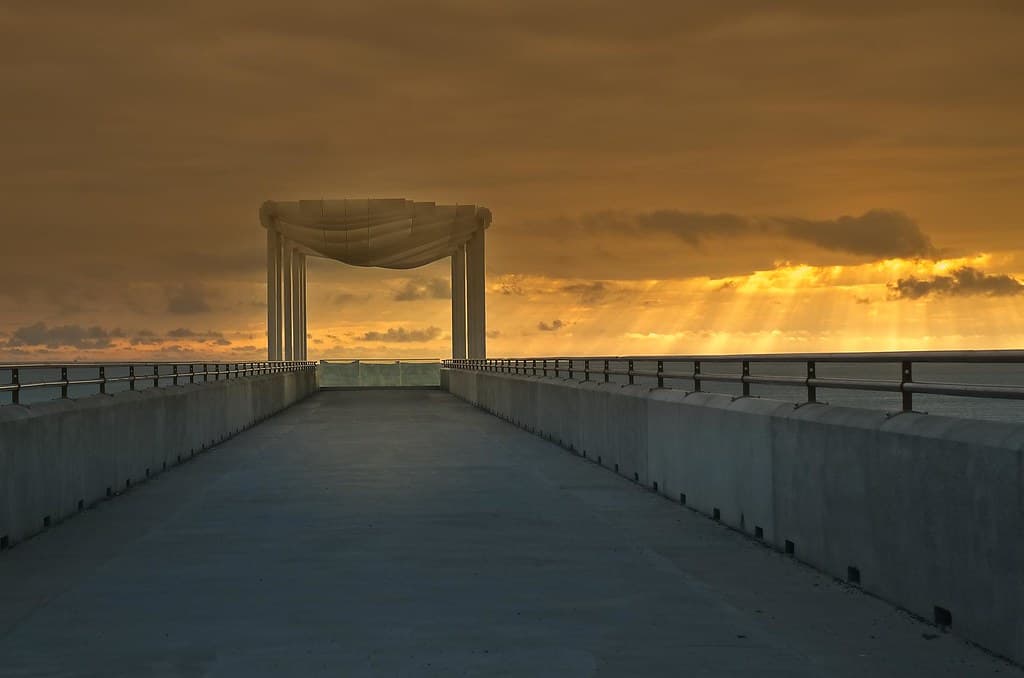
Counting the waves…
Counting the waves…

The beach runs for two kilometers in a gentle arc, its grey pebbles polished by decades of wave action. Across Marine Parade, the pastel geometry of Art Deco buildings—cream, mint, coral—stands in deliberate contrast to the organic chaos of driftwood and kelp. Norfolk pines march along the esplanade in rigid formation, their shadows striping the footpath at noon. The 1931 earthquake lifted this shoreline; the city rebuilt itself as a monument to optimism and modern design. You'll hear the stones rattle and hiss as waves retreat, a sound that becomes white noise within minutes. Swimmers brave the water year-round, though the rocky entry requires careful footing. Further along, the promenade widens to accommodate skate parks, playgrounds, and tiered seating that fills during summer concerts. Tourists photograph the statue of Pania, the Māori maiden whose legend binds her to the reef offshore, her bronze form facing the bay. The beach functions as civic theater. Morning walkers nod to familiar faces. Cruise ship passengers disembark for hurried selfies. School groups spread out for marine biology lessons. The waterfront feels curated, maintained, intentionally picturesque—less a wild coast than an outdoor room designed for public use. Even the pebbles seem arranged for maximum photogenic effect beneath the postcard-perfect architecture.
Places, rentals, tours and events within walking and driving distance of Marine Parade Beach.
Photos
Marine Parade Beach is suitable for swimming with appropriate caution. The beach features pebbles rather than sand, which can be uncomfortable underfoot. While located in an urban area with good visibility, the beach is not patrolled by lifeguards year-round. During summer, swimming conditions are generally calmer and more suitable for families. Always supervise children closely and be aware of wave conditions and currents. The beach's urban location means help is nearby if needed. Locals often swim here, particularly in warmer months. Wear water shoes for comfort on the pebble surface and check conditions before entering the water.
Marine Parade Beach can be visited any time of year as it's Napier's main waterfront promenade. Summer months from December to March offer the warmest weather and most vibrant atmosphere with locals and tourists enjoying the beach and adjacent attractions. The waterfront is lovely year-round for walks along Marine Parade, which features Art Deco architecture, cafes, and gardens. Sunset is particularly photogenic any season. The area hosts various events throughout the year, including markets and festivals. Even winter offers pleasant walking conditions along the protected promenade, though swimming is less common in colder months.
Marine Parade Beach is extremely accessible, located right in central Napier along the city's main waterfront boulevard, Marine Parade. From anywhere in central Napier, the beach is within easy walking distance. If driving, follow signs to Marine Parade where ample street parking and designated car parks are available along the waterfront. The beach stretches for several kilometers, easily accessed at multiple points. Local buses service the Marine Parade area. If arriving from out of town, Napier city center is well-signposted from State Highway 2. The airport is about 5 kilometers north of the city center.
Marine Parade offers excellent food and accommodation options as Napier's premier tourist precinct. Numerous cafes, restaurants, and takeaway outlets line the waterfront, serving everything from casual fish and chips to fine dining. Accommodation ranges from luxury hotels and boutique Art Deco-themed properties to motels and backpacker hostels, many with ocean views. The nearby city center provides additional dining and shopping options within walking distance. During summer, ice cream vendors and beachside kiosks operate along the promenade. The area caters to all budgets and preferences, making it convenient for visitors to find suitable facilities.
Marine Parade Beach is iconic for its stunning Art Deco waterfront architecture, making it one of New Zealand's most photographed urban beaches. The beachfront promenade showcases Napier's famous 1930s Art Deco buildings, rebuilt after the 1931 earthquake. The Norfolk pines lining Marine Parade create a distinctive silhouette, particularly photogenic at sunrise and sunset. The Pania of the Reef statue is an Instagram-worthy landmark. The beach offers sweeping views of Hawke Bay with Cape Kidnappers visible in the distance. The combination of architectural heritage, coastal beauty, and urban amenities creates a uniquely memorable and visually striking destination.