Counting the waves…
Counting the waves…
A refined fusion of water purity, environmental stability, and communal vibrancy for Hōkio Beach.
View MethodologyAnalyzed via live sensors and environmental data.
Wave height, wind, and atmospheric stability.
Live footfall and crowd balance metrics.
Community reviews and curated sentiment.
“The small settlement feels temporary—as if the baches might blow away in the next storm. But the beach is permanent: wide, powerful, and refreshingly uncelebrated in regional tourism.”
Limited recent visitor reports — live OBI telemetry is your best guide for current conditions.
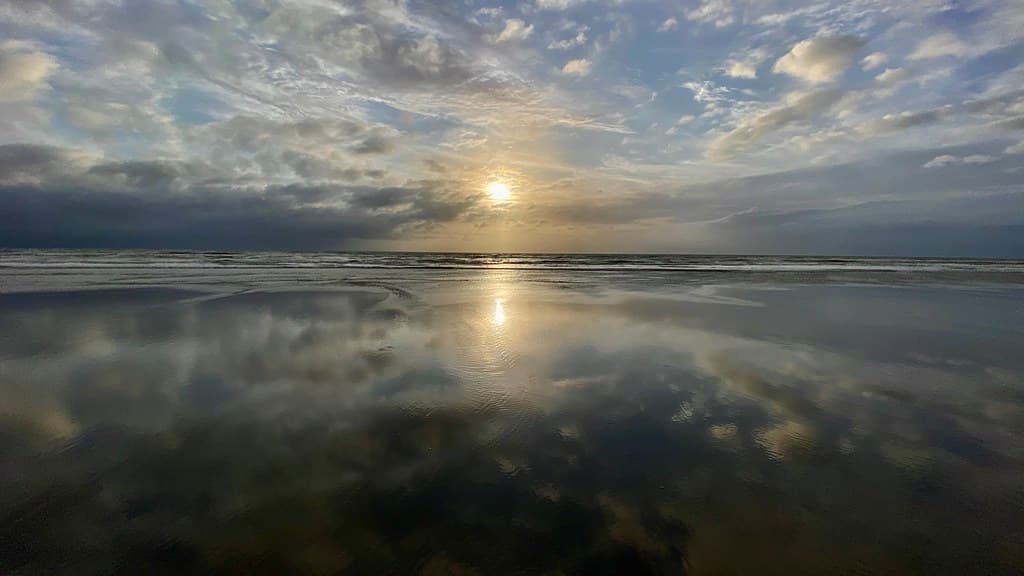
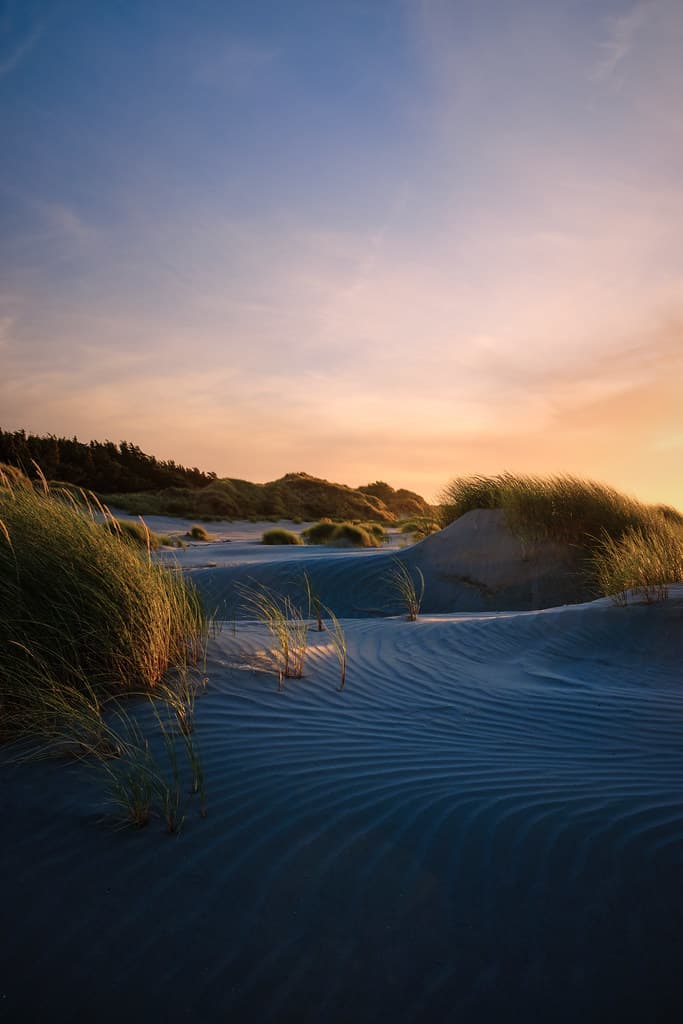
Hōkio Beach maintains a profile so low it barely registers with travelers speeding past on the highway ten kilometres inland. The access road crosses dairy country before delivering you to a modest cluster of holiday homes and a beach that gets on with its business regardless of visitor numbers. The sand stretches in both directions, backed by dunes covered in lupins and marram grass that hiss in the constant breeze.
The surf here arrives with authority. Swells march in from the Tasman with little to slow them, creating beachbreaks that range from playful to punishing depending on size and wind. The sandbars shift seasonally, and locals spend time scouting before paddling out. Between the dune line and the water, the beach is wide enough to accommodate walkers, anglers, and the occasional horse rider without territory disputes.
 Credit: Unsplash
beach under blue sky
 Credit: Unsplash
people sitting on seashore
Consistent beachbreak waves
Driftwood and shell collecting
Unobstructed Tasman horizons
Prime Visitation
Anytime|Less Crowds
Where it is
Hōkio Beach
Hōkio Beach, Manawatū-Whanganui, New Zealand
-40.610300°, 175.189600°
Weather
Loading…
Swell
—
Temp
Warm · Restorative
UV Index
Moderate
Wind
—
Tidal State
Last known
Max Sunlight
—
Ideal Shade
—
Jan - Dec (Peak)
Mar - Nov (Off-season)
Historical data suggests peak visibility and stable sea temperatures occur during the prime visitation window.
Select a category to load nearby places.
Unlock restaurants, luxury stays and curated maritime experiences within 2km
Hōkio Beach is an unpatrolled surf beach with conditions typical of the Horowhenua west coast, meaning it can be challenging for swimming. The beach experiences surf, currents, and rips that require respect and caution. Swimming conditions vary significantly with weather, tide, and swell, so it's not recommended for inexperienced ocean swimmers. On calmer days, paddling and wading in shallow areas may be safer, but always remain vigilant. The beach is more suitable for surfing, walking, and beach activities rather than family swimming. Never swim alone and always assess conditions before entering the water.
Hōkio Beach offers year-round appeal, though summer (December-February) provides the warmest and most comfortable beach weather. The beach maintains a quieter, local feel even during peak season, so you won't encounter the crowds found at more famous beaches. Sunsets are spectacular throughout the year, with the west coast orientation providing stunning evening light. Spring and autumn offer pleasant temperatures for beach walks and exploring the open sand. Winter brings dramatic surf conditions and moody coastal scenery appreciated by photographers and experienced surfers. Any season suits those seeking a more peaceful beach experience.
Hōkio Beach is located north of Ōhau on the Horowhenua coast, approximately 40 kilometres southwest of Palmerston North and 15 kilometres west of Levin. From Levin, take Hokio Beach Road westward toward the coast; the route is well-marked and takes about 20 minutes. From Palmerston North, head south on State Highway 1, then turn west toward the coast. The roads are sealed and in reasonable condition. Parking is available at beach access points. There's no public transport service, so you'll need a private vehicle to reach this beach community.
Hōkio Beach is a small coastal settlement with limited commercial facilities. Accommodation primarily consists of private holiday homes, baches, and a motor camp for visitors. There are no restaurants or cafes directly at the beach. A small general store may provide basic supplies, but visitors should stock up on food and necessities in Levin before arriving, where you'll find supermarkets, restaurants, and full services. The nearby town of Ōhau also has limited options. The quieter local feel means fewer tourist amenities but a more authentic experience of a traditional New Zealand beach community.
Hōkio Beach remains underrated because it lacks the fame of nearby tourist beaches despite offering expansive open sand and beautiful coastal scenery. The beach provides a genuine local Kiwi beach experience without commercial development or tourist crowds. Its position in the Horowhenua region, slightly off the main tourist routes, means it stays quieter while still being accessible. The long stretches of sand, dune systems, and consistent surf create excellent conditions for surfers and beach walkers. The community maintains a traditional beach settlement character, offering visitors an authentic taste of New Zealand coastal life.
Photos