Counting the waves…
Counting the waves…

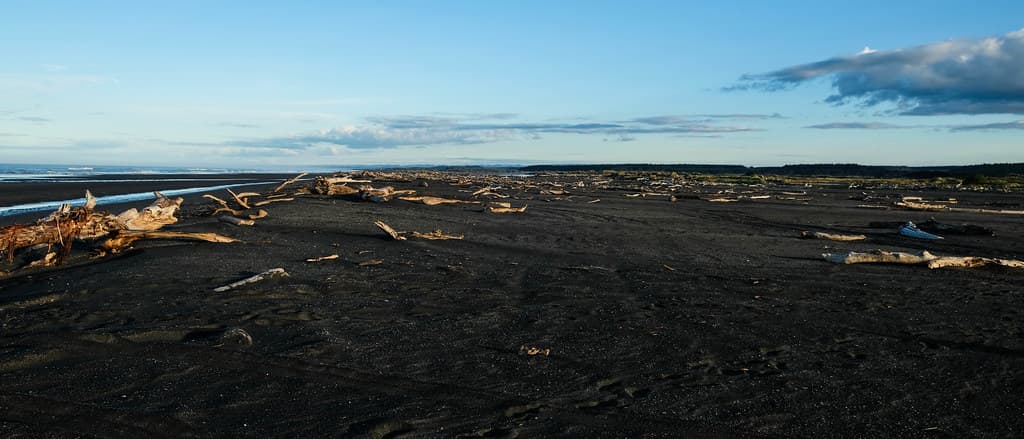
You reach Scotts Ferry through farmland that seems to stretch endlessly flat before the coast appears suddenly, the settlement huddled where the Rangitīkei River cuts through to meet the Tasman. The beach spreads from the river mouth in both directions, sand darkened by volcanic minerals washed downstream. Holiday homes in various states of maintenance line the shore road, most shuttered except during Christmas and Easter when extended families return for their annual rituals. The river mouth creates a dual-character beach: the southern side offers river swimming with gentler currents, while the northern stretch opens to full ocean swells. Fishing dominates the local activity—rods propped in sand spikes, locals checking set lines, children netting for whitebait in season. The settlement's name recalls the ferry that once operated here; now a bridge inland handles through traffic, leaving Scotts Ferry as a deliberate destination rather than a thoroughfare. Sunsets here stretch wide and unhurried, the flat landscape providing no obstacles between you and the horizon. The air smells of seaweed drying on sand and occasionally smoke from a bach chimney. You hear the ocean's constant presence underscored by the river's quieter voice, the two waters negotiating their merger just offshore. The whole scene feels suspended in time, resistant to the urgencies that govern life elsewhere.
Places, rentals, tours and events within walking and driving distance of Scotts Ferry Beach.
Photos
Swimming at Scotts Ferry Beach requires caution due to its river-mouth location where the Rangitīkei River meets the ocean. This creates unpredictable currents, rips, and changing conditions. The beach is unpatrolled, so there are no lifeguards on duty. Always check tide times and river flow conditions before entering the water. Families should supervise children closely and consider staying in shallower areas away from the river channel. Local knowledge is valuable, so if you're unsure about conditions, ask residents or avoid swimming altogether.
The best time to visit Scotts Ferry Beach is during New Zealand's summer months (December to February) for the warmest, most settled weather and longer daylight hours. However, this hidden beach rarely gets crowded, so shoulder seasons like late spring (November) and early autumn (March) also offer pleasant conditions with even fewer visitors. Sunset visits are particularly rewarding year-round, as the west-facing coast provides stunning evening views. Check local weather forecasts before traveling, as the Manawatū-Whanganui coast can experience strong winds.
Scotts Ferry Beach is accessed via Scotts Ferry, a small coastal settlement in the Rangitīkei District. From Whanganui or Bulls, take State Highway 3, then turn onto Scotts Ferry Road which leads to the coast. The final approach involves rural roads that may be unsealed. A standard vehicle can typically manage the journey in good weather, but conditions can deteriorate after rain. There is no public transport to this remote location, so a private vehicle is essential. Allow extra travel time and ensure you have adequate fuel.
Scotts Ferry is a small holiday settlement with very limited commercial facilities. There are no restaurants, cafes, or shops in the immediate area, so visitors should bring all food, water, and supplies from larger towns like Whanganui (approximately 45 minutes away) or Bulls. Accommodation is primarily limited to private holiday homes and baches, with limited availability for tourists. For a wider range of lodging options including motels, hotels, and restaurants, plan to stay in Whanganui or nearby regional centers and visit Scotts Ferry as a day trip.
Scotts Ferry Beach stands out for its authentic river-mouth setting where the Rangitīkei River meets the Tasman Sea, creating a distinctive landscape of shifting sandbars and channels. Unlike more developed beaches, it retains a genuine local holiday feel with a small community of baches and minimal tourist infrastructure. The beach offers a glimpse into traditional New Zealand coastal living, appealing to visitors seeking solitude and an off-the-beaten-path experience. Its combination of river and ocean environments also attracts different birdlife and provides varied coastal scenery within a compact area.