
Counting the waves…
Counting the waves…

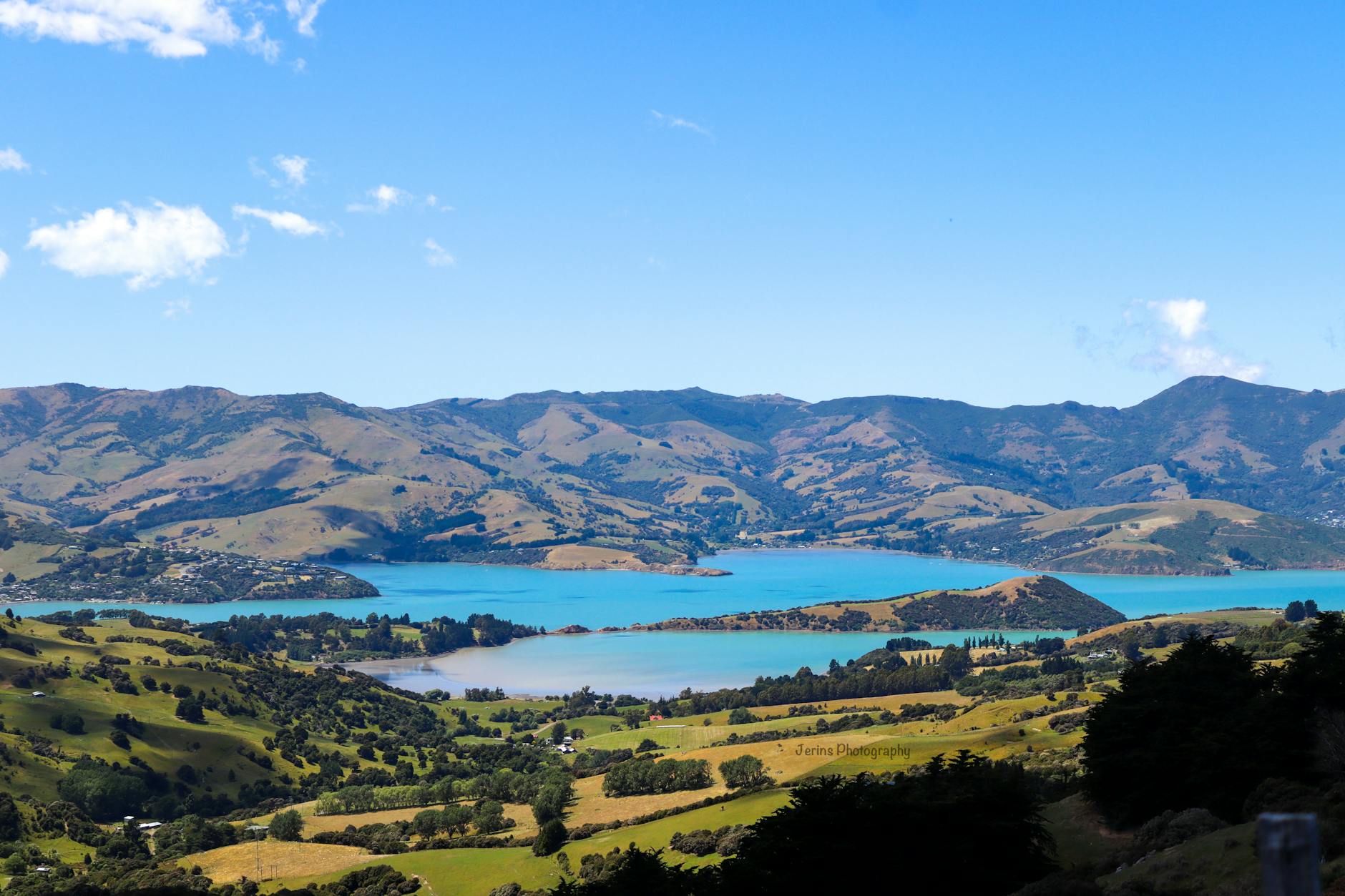
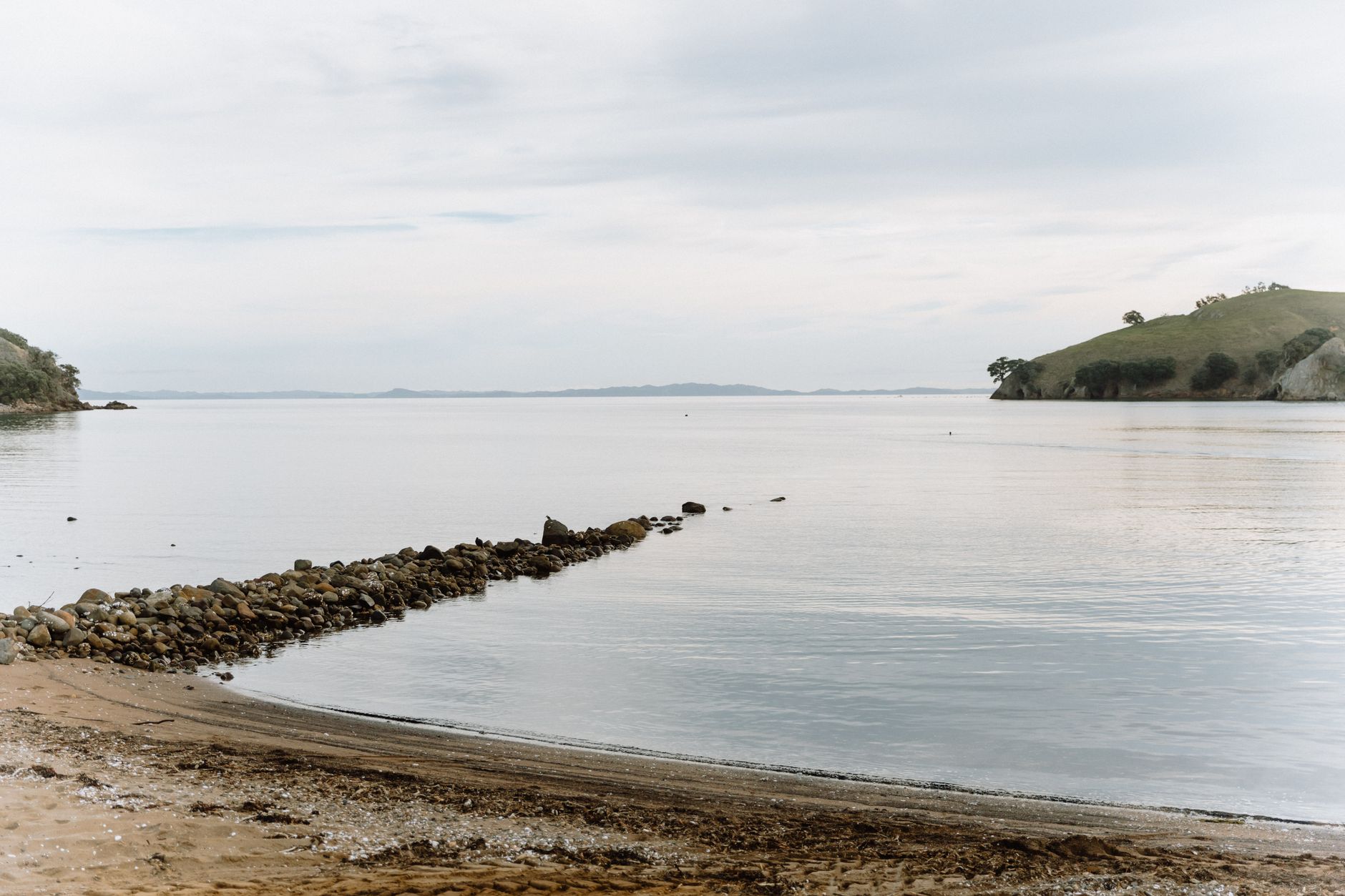
The track down to Nydia Bay descends through silver beech and rimu, the canopy thinning as saltwater smells replace the fungal scent of the forest floor. When you break into daylight, the beach unfolds in a gentle crescent—honey-toned sand traced with driftwood, kelp ribbons drying in the sun, and water so still you can count the stones beneath the surface. Across the inlet, green hillsides plunge straight into the Sound, their reflections doubling in the afternoon calm. If you've arrived by water taxi, the engine's hum fades quickly, replaced by the tick of cooling pebbles and the occasional splash of a kahawai chasing baitfish. A few trampers rest under the shade of ngaio trees, boots off, toes buried in cool sand. The bay holds no facilities, no kiosk, no lifeguard tower—just a Department of Conservation hut tucked into the bush for overnighters on the Nydia Track. Stay long enough and you'll notice the tide's slow work: channels widening across the flats, sandbars emerging like new countries. Weka fossick along the tideline. A shag dries its wings on a half-submerged log. The silence isn't empty; it hums with small, persistent life. When the light slants gold and the ridge shadows stretch across the water, you understand why so few people bother—and why those who do, return.
Places, rentals, tours and events within walking and driving distance of Nydia Bay Beach.
Photos
Nydia Bay offers relatively safe swimming conditions in its sheltered Pelorus Sound location, with calm waters protected from open ocean swells. The remote bay has no lifeguard patrols or emergency services nearby, so swimmers must be self-reliant and exercise good judgment. Water temperatures in the Sounds are cooler than ocean beaches, even in summer. Conditions can change with weather and tides, so check forecasts before visiting. The bay's isolation means assistance would be delayed in an emergency, making it important to swim conservatively and never alone.
The optimal time to visit Nydia Bay is during New Zealand's summer (December-February) when weather is most stable and daylight hours are longest for hiking. Autumn (March-April) offers beautiful colors and fewer visitors, though conditions can be more variable. The bay's sheltered location provides some protection year-round, but winter brings colder temperatures and unpredictable weather. If walking the Nydia Track, summer and early autumn provide the best track conditions. Less crowded periods offer enhanced solitude, though Nydia Bay never experiences heavy tourist traffic given its remote location.
Nydia Bay can be accessed by boat from various Sounds locations or via the Nydia Track, a walking route through native forest. The track offers access from either Duncan Bay or Kaiuma Bay, with water taxi services available to trailheads from Havelock or other settlements. Hikers typically complete the track in 1-2 days with an overnight at Nydia Bay. Alternatively, boat owners can anchor in the bay, or water taxis can drop visitors for day trips. There is no road access, so plan transportation carefully and confirm pickup arrangements if using water taxis.
Nydia Bay has very basic facilities primarily oriented toward trampers using the Nydia Track. There's a DOC (Department of Conservation) campsite with basic amenities and possibly hut accommodation along the track, but no commercial lodges, restaurants, or shops. Visitors must bring all food and supplies, as the remote location offers no purchasing options. Camping requires booking through DOC and being completely self-sufficient. The nearest towns with full services are Havelock and Picton. Most visitors either camp, stay in DOC facilities, or visit as a day trip by boat.
Nydia Bay is unique as one of the few remote Pelorus Sound beaches accessible via a dedicated walking track, offering both a hiking and beach experience. The Nydia Track provides stunning native forest scenery before emerging at this peaceful bay, creating a rewarding wilderness journey. Unlike boat-only beaches, trampers can reach Nydia Bay on foot, making it accessible to those without vessels while still maintaining its remote, unspoiled character. The combination of walking track access and beautiful sheltered beach creates a distinctive experience blending backcountry tramping with coastal relaxation.