

Counting the waves…
Counting the waves…

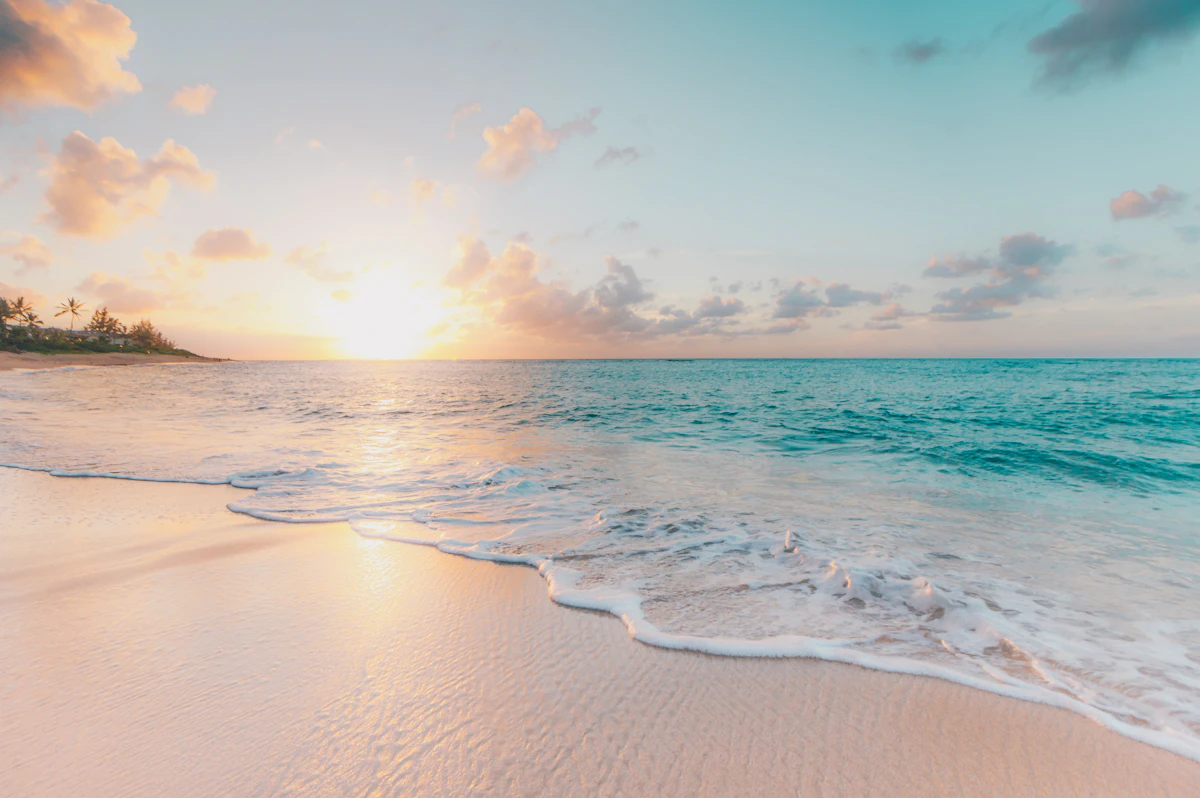
The bay unfolds in a graceful arc, its sand fine and butter-coloured, scattered with cuttlefish bone and the occasional blue mussel shell worn smooth as glass. Native bush cloaks the slopes behind the beach—mahoe, karaka, and kowhai—and in spring, the yellow blooms draw tui that chime and click from the canopy. The water is warm by South Island standards, especially in the shallows where sunlight heats the sandy bottom, and calm enough that you can float on your back and watch clouds reshape themselves over the ridge lines. Most visitors to Queen Charlotte Sound stick to the Track's popular sections or the commercial hubs near the outer reaches. Ruakākā Bay requires a water taxi or a longer paddle, which means the beach remains lightly visited even in high summer. A few private baches nestle discreetly in the bush, but there's no café, no public infrastructure, no reason to hurry. You'll likely share the sand with a handful of others—a couple skimming stones, someone reading in the shade, a lone swimmer working a slow breaststroke parallel to shore. The best hours arrive late in the day, when the sunlight turns honey-thick and the water glows with reflected warmth. Small fish dart over submerged rocks. A shag rests on a driftwood log, wings spread wide to dry. The silence isn't absolute—there's the faint slap of water against hulls in the distance, the rustle of a fantail in the undergrowth—but it's the kind of quiet that lets your thoughts settle like silt after a storm.
Places, rentals, tours and events within walking and driving distance of Ruakākā Bay Beach.
Photos
Ruakākā Bay is a sheltered cove within Queen Charlotte Sound, making it generally safe for swimming with calm, protected waters. However, there are no lifeguards or facilities, so swimmers should exercise caution and swim within their abilities. Check weather conditions before visiting, as wind and tides can affect water clarity and temperature. The remote location means help is not immediately available in emergencies. Always inform someone of your plans when visiting isolated beaches in the Marlborough Sounds.
The best time to visit Ruakākā Bay is during New Zealand's summer months (December to February) when weather is most settled and water temperatures are warmest. Shoulder seasons of late spring (November) and early autumn (March-April) offer fewer visitors and pleasant conditions. The cove's sheltered nature provides good protection year-round, but winter can bring cooler temperatures and unpredictable weather. Plan visits during calm weather windows, as sea conditions affect boat access significantly.
Ruakākā Bay is accessible primarily by boat, as there is no road access to this remote cove in Queen Charlotte Sound. You can arrange water taxi services from Picton or other Sounds settlements, charter a private boat, or kayak if you're experienced. Some visitors arrive on their own vessels and anchor in the bay. The lack of road access is what keeps this beach quiet and pristine. Always check water conditions before departure and arrange return transport in advance.
Ruakākā Bay has very limited facilities due to its remote location away from main visitor nodes. There may be occasional private holiday homes or baches, but no commercial accommodation or food services directly at the bay. Visitors typically base themselves in Picton or other Sounds settlements and make day trips, bringing all necessary supplies including food, water, and sun protection. Some boaties anchor overnight in the bay. Plan to be completely self-sufficient when visiting this isolated cove beach.
Ruakākā Bay stands out for its exceptional tranquility and isolation within Queen Charlotte Sound, offering a genuine escape from the more frequented bays along the Queen Charlotte Track. Its position away from main visitor routes means you're likely to have the beach largely to yourself, providing an authentic wilderness experience. The scenic beauty is pristine, with native bush reaching down to the waterline and excellent opportunities for spotting local wildlife. This is a beach for those seeking solitude and unspoiled natural surroundings rather than amenities or crowds.