Counting the waves…
Counting the waves…
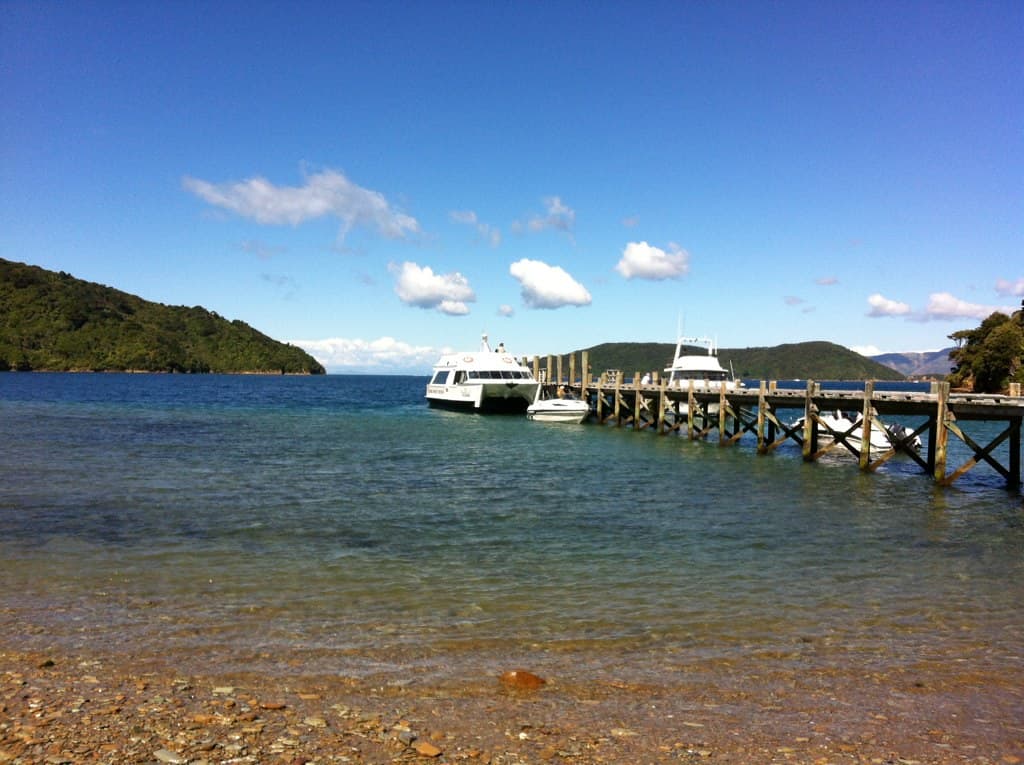
You arrive where Cook arrived—by boat, into a cove so sheltered that the water reflects surrounding hills in perfect detail on calm mornings. The pebble beach curves gently beneath towering native bush, with a stone memorial marking where Resolution and Adventure anchored repeatedly between 1770 and 1777. Cook called it his favorite South Pacific anchorage, and you understand why immediately: deep water close to shore, protection from all quarters, fresh water streaming from the forest. The beach itself runs barely fifty meters, a small arc of smooth grey stones between bush and water. A walking track departs from here—the Queen Charlotte Track's official start—winding into forest thick with tree ferns and supplejack vines. But most visitors arrive by tour boat or water taxi, spending an hour ashore to read the memorial plaques and photograph the cove where European and Māori worlds first collided with lasting consequence. Dozens of boats anchor here on summer weekends, drawn by history and by the cove's legendary protection. You'll swim from yacht sterns, kayak around moored boats, or simply sit on sun-warmed pebbles considering how this exact view appeared to Cook's crew after months at sea. The bush presses close on three sides, birds calling from shadows. The water stays so calm you can see your reflection reaching back toward you from the surface.
Places, rentals, tours and events within walking and driving distance of Ship Cove Beach.
Photos
Ship Cove offers relatively calm swimming conditions within the sheltered waters of Queen Charlotte Sound. The cove's protected position reduces wave action and strong currents. However, water temperatures in Marlborough Sounds are generally cool year-round, typically ranging from 14-18°C, so wetsuits are advisable for extended swimming. Always check local conditions before entering the water, as tidal flows can vary. The beach has no lifeguard services, so swim conservatively and stay close to shore.
The optimal visiting period is during New Zealand's summer months from December through March when weather is warmest and most stable. Mornings typically offer the calmest seas and best conditions for water-based activities. Ship Cove is a popular destination, especially during peak holiday periods and weekends, so visiting on weekdays or shoulder seasons (November or April) can mean fewer crowds. Weather in Marlborough Sounds can change quickly, so always check forecasts before traveling.
Ship Cove is accessible only by boat or via the Queen Charlotte Track on foot. Water taxis and charter boats operate regularly from Picton, approximately 45 minutes away by sea. Several commercial operators offer scheduled services, or you can arrange private charters. For hikers, Ship Cove marks the northern starting point of the Queen Charlotte Track. There is no road access, making advance planning essential. Most visitors combine Ship Cove with other Queen Charlotte Sound destinations or multi-day track walks.
Ship Cove itself has no commercial facilities, accommodation, or food services. Visitors must bring all supplies including water, food, and safety equipment. The nearest town with full services is Picton, where you'll find supermarkets, restaurants, and various accommodation options from backpackers to hotels. For those walking the Queen Charlotte Track, there are lodges and campsites along the route that require advance booking. Day-trippers should pack everything needed for a self-sufficient visit to this remote location.
Ship Cove holds exceptional historical importance as Captain James Cook's favorite New Zealand anchorage. Cook visited five times between 1770 and 1777 during his Pacific voyages, using the cove as a base for repairs, resupply, and astronomical observations. A monument commemorates these visits, and the site where Cook read possession proclamations is marked. The cove was also significant to Māori as a seasonal settlement and resource gathering area. This rich history makes Ship Cove one of New Zealand's most important early European contact sites.