Counting the waves…
Counting the waves…

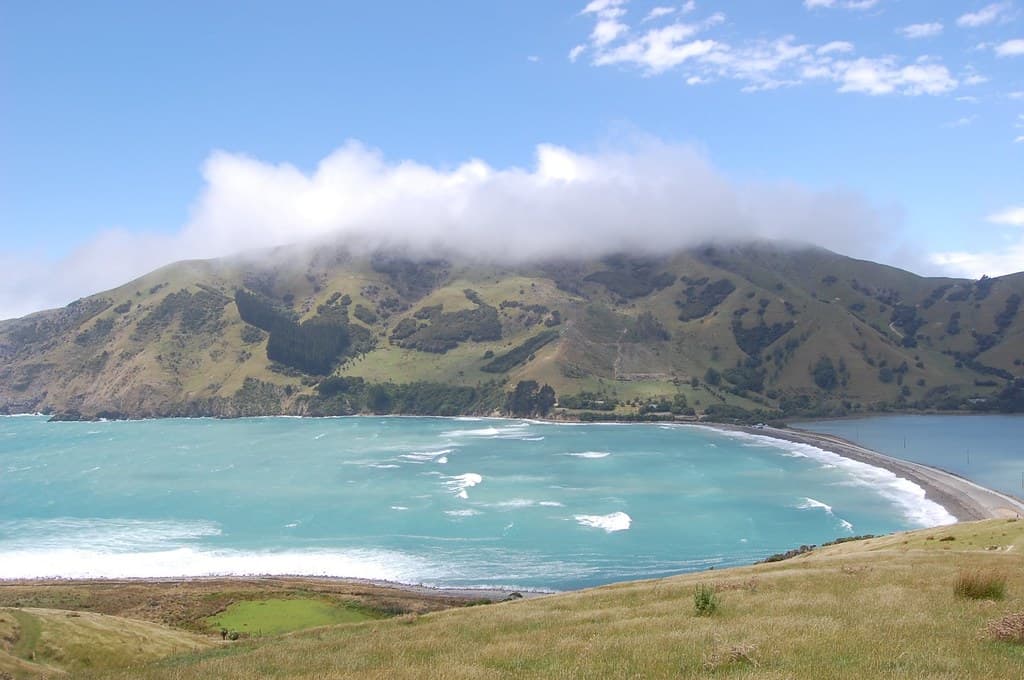
The drive out already tells you something: gravel roads threading between paddocks, livestock grazing to the tide line, the occasional farmhouse weathered silver by salt wind. When you arrive, Delaware Bay Beach unfolds as a gentle arc of rounded stones, the kind that click and settle with each wave. Across the water, the ranges sketch a hazy profile. Families spread blankets on the upper beach where driftwood logs offer natural seating. The pebbles warm quickly in sun, and children build cairns while parents wade into water that deepens gradually. There's no surf here—just the soft slap of wavelets and the occasional gull. You won't find facilities or marked trails, just a shoreline that stretches in both directions with nothing but farmland backing it. Bring everything you need. The reward is simplicity: a beach that feels like a local secret because it mostly is, where the only queue is for a parking spot in the grass, and even that rarely forms.
Places, rentals, tours and events within walking and driving distance of Delaware Bay Beach.
Photos
Delaware Bay Beach is generally calmer than many Tasman Coast beaches, making it reasonably suitable for families with children. The pebble beach slopes gradually, and the eastern Tasman Bay location offers some protection from prevailing westerlies. However, like all New Zealand beaches, conditions can change quickly, so adult supervision is essential. There are no lifeguards, so swim only in calm conditions and stay close to shore. The pebble surface means no sandcastles, but it's ideal for rock-pooling and paddling. Always check local weather forecasts and tide conditions before entering the water.
Delaware Bay Beach can be enjoyed year-round, but summer (December-February) offers the warmest water temperatures and most reliable weather for swimming and picnicking. Autumn (March-May) and spring (September-November) provide pleasant conditions with fewer visitors—ideal if you prefer solitude. The beach's protected location means it often experiences calmer conditions than western-facing beaches. Weekdays are significantly quieter than weekends. Early morning visits offer peaceful beachcombing opportunities, while afternoons typically bring warmer temperatures. Winter can be lovely for contemplative walks, though water activities are best left to warmer months.
Delaware Bay Beach is located on the eastern Tasman Bay coast, accessible from the Tasman District's coastal roads. The exact access route depends on your starting point, but the area is generally reached via rural roads branching from State Highway 60, which runs along the coast between Nelson and Motueka. Access may involve some gravel roads, so drive carefully and watch for farm vehicles. A standard car is typically suitable in good weather. Parking is informal and limited, so arrive early during peak season. Check local maps or GPS carefully, as signage in rural areas can be minimal.
Delaware Bay Beach is in a rural area with limited immediate services. The nearest towns with comprehensive facilities are likely Motueka (with supermarkets, cafes, restaurants, and various accommodation options) or Nelson (a larger city with full services). Depending on the beach's exact location, small settlements along the coast may have basic provisions. Visitors should plan to be self-sufficient, bringing food, drinks, and supplies for the day. Accommodation in the region ranges from holiday parks and motels to B&Bs and vacation rentals, primarily concentrated in nearby towns rather than at the beachfront itself.
Delaware Bay Beach's main distinction is its quiet, off-the-beaten-path character compared to the more popular Nelson city beaches. The rural coastal setting offers authentic farmland-meets-sea scenery without commercial development or crowds. The pebble beach provides a different experience from sandy alternatives, with excellent opportunities for finding interesting stones and enjoying peaceful contemplation. Its location attracts far fewer tourists, making it ideal for visitors seeking solitude and a connection with nature. The lack of facilities means you'll need to be self-sufficient, but this remoteness is precisely what makes it special for those wanting to escape busier tourist areas.