

Counting the waves…
Counting the waves…
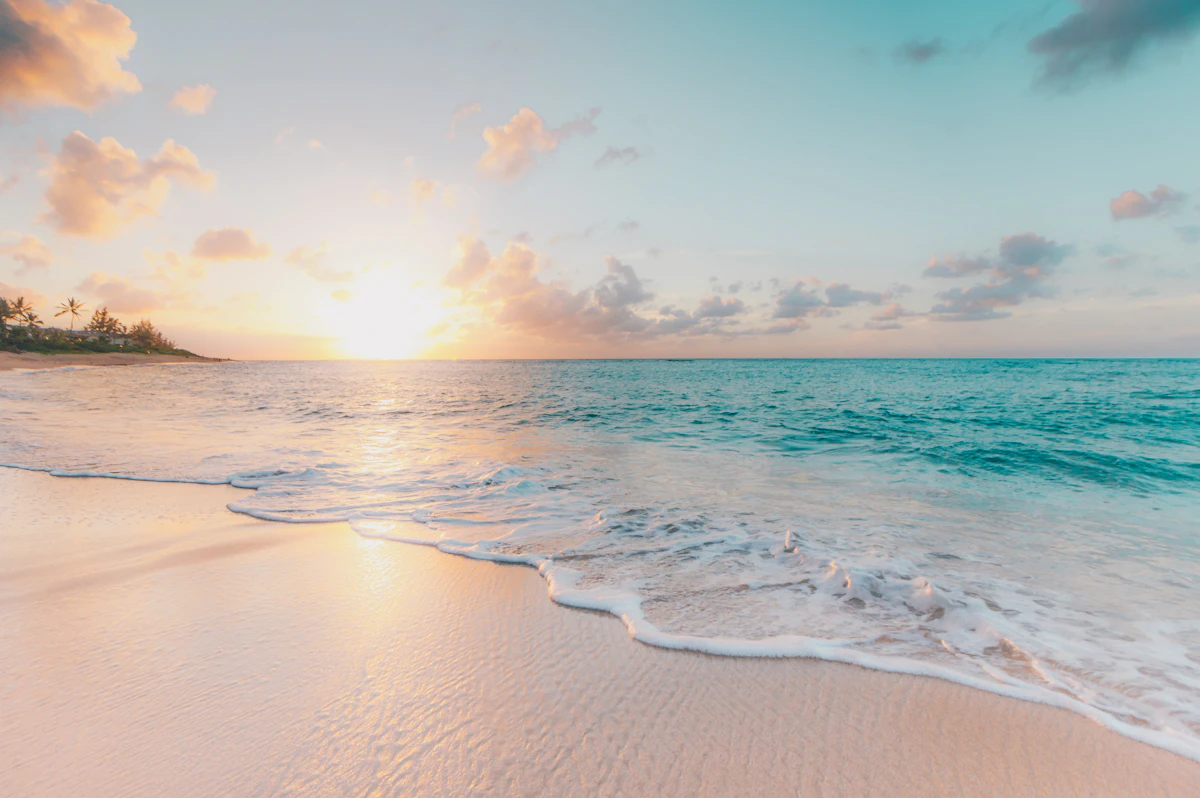
You start at the Truman Track carpark and follow the boardwalk into coastal rainforest so thick the air tastes green. Nikau trunks rise straight as columns, their fan-shaped crowns filtering sunlight into lace patterns on the forest floor. Tui calls echo overhead, and the path smells of damp earth and decomposing leaves. After ten minutes the grade steepens, wooden steps dropping toward the sound of breaking waves. The beach appears suddenly: a compact horseshoe of sand cupped between limestone ramparts carved into fantastical shapes by millennia of wind and spray. The rock glows amber in afternoon light, streaked with iron oxide and pocked with solution holes. At low tide you can wade into pools where the water shifts from jade to sapphire, warm enough for a quick dip if the sun is out. Driftwood tangles at the high-tide line, and black-backed gulls patrol the wrack. The cove faces northwest, sheltered from southerly swells but open to the prevailing westerlies that push clouds fast across the Tasman. Stay long enough and you'll see squalls march in from the horizon, darkening the water before releasing brief, warm rain. The limestone cliffs frame every photograph perfectly—this is the postcard version of the West Coast, compressed into a space small enough to hold in your gaze all at once.
Places, rentals, tours and events within walking and driving distance of Truman Beach.
Photos
Swimming at Truman Beach requires caution. The West Coast is known for powerful surf, strong currents, and unpredictable conditions. This compact cove can experience sudden wave surges and rips. There are no lifeguards, and the beach is remote with limited mobile coverage. Check conditions before entering the water, never swim alone, and stay close to shore. Many visitors prefer to wade and enjoy the scenery rather than swim. The rocky surroundings can also create hazards during high tide.
The best time to visit Truman Beach is during summer months (December to February) for warmer, more stable weather, though the West Coast can be unpredictable year-round. Early morning or late afternoon offers the best light for photography. Visit during low to mid-tide to access more of the beach safely. Autumn (March-May) provides fewer crowds and pleasant conditions. Winter brings dramatic seas but harsher weather. Weekdays are quieter than weekends, especially outside New Zealand school holidays.
Truman Beach is accessed via the Truman Track, a well-maintained 20-minute return walk (600 meters) from the car park. The trailhead is located approximately 3 kilometers north of Punakaiki township on State Highway 6. Look for clear signage on the western side of the highway. The track descends through native forest before reaching the cove. The path includes steps and can be steep in sections, requiring moderate fitness. Park in the designated area; the walk is suitable for most ages with reasonable mobility.
Punakaiki township, 3 kilometers south, offers the closest services including cafes, restaurants, and the Punakaiki Tavern. Accommodation options range from the Punakaiki Resort and motels to holiday parks and backpackers. For more extensive choices, Greymouth (45 kilometers south) has supermarkets, restaurants, and additional lodging. Westport (100 kilometers north) also provides full services. No facilities exist at Truman Beach itself, so bring water and snacks. Book accommodation ahead during peak summer season as options are limited in Punakaiki.
Truman Beach is a distinct, intimate cove separate from the main Punakaiki Beach near the Pancake Rocks. Its compact size and forest-framed setting create a secluded atmosphere. The beach features dramatic limestone formations, rock platforms, and caves that make it particularly photogenic. Unlike the more accessible Punakaiki Beach, Truman requires a forest walk, filtering out casual visitors. The combination of native bush, unique geology, and relative seclusion gives it a hidden-gem quality. Low tide reveals fascinating rock pools and geological features worth exploring carefully.