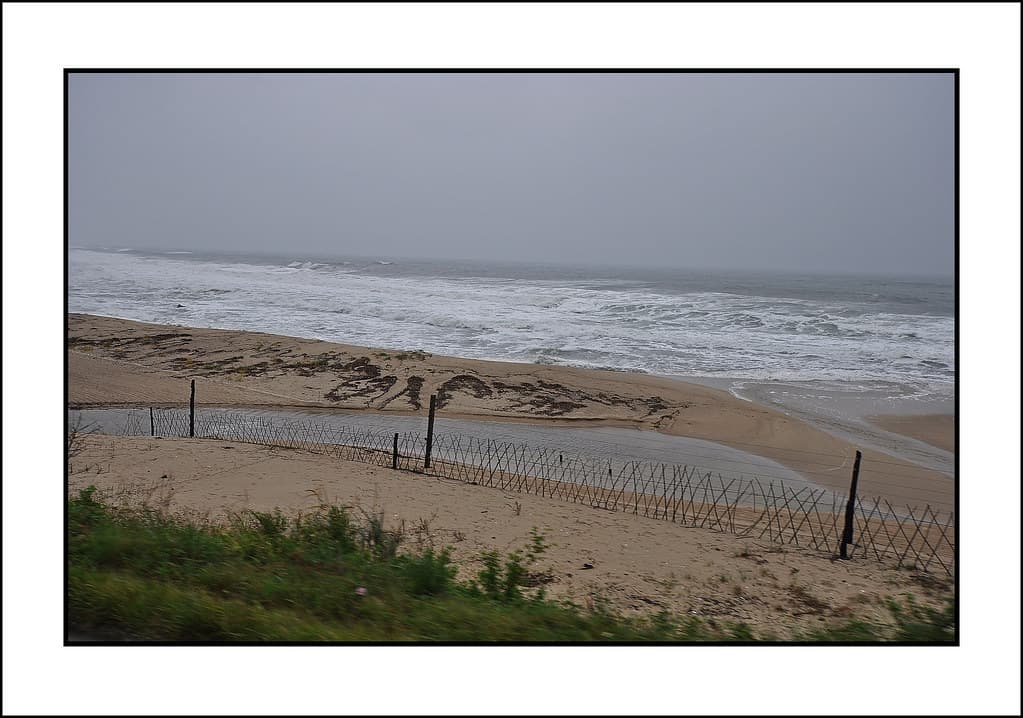
Counting the waves…
Counting the waves…
Chongjin Central Beach stands as a distinctive landmark on North Korea's industrial northeast coast, offering a rare and compelling look at an urban beach scene. Unlike the more remote, pristine shores, this beach is woven directly into the fabric of Chongjin, providing a communal space where the city's residents connect with the East Sea. It's a place of everyday life, a documented window into leisure activities in a region often associated with industry. Here, the sand, though urban, offers a respite from the city's rhythm. You might observe families enjoying picnics, children playing near the water's edge, and individuals taking contemplative walks. The atmosphere is one of quiet community, a testament to the universal human desire for coastal relaxation. The views, while perhaps not postcard-perfect in a traditional sense, offer a unique aesthetic, blending the natural expanse of the sea with the distant outlines of the city. For the curious traveler, Chongjin Central Beach is more than just a beach; it's a cultural observation point. It provides an opportunity to witness local interactions and understand the role such spaces play in urban environments. It’s a vivid reminder that even in industrial cities, the coast remains a cherished resource, offering moments of peace and connection for its inhabitants.
Places, rentals, tours and events within walking and driving distance of Chongjin Central Beach.
Photos
Swimming conditions depend on seasonal weather and local conditions. The East Sea coast can have cold currents even in summer. As with any beach in North Korea, you must visit as part of an organized tour with approved guides who will inform you of current conditions and designated swimming areas. Always follow your guide's instructions regarding water safety. Industrial port activity in Chongjin means water quality may vary, so check with local authorities through your tour operator before entering the water.
July and August offer the warmest weather for beach activities, with temperatures reaching 20-25°C. These summer months provide the most comfortable conditions for coastal visits. Spring (May-June) and early autumn (September) are cooler but less crowded and more budget-friendly for travel. Winter visits are generally not recommended for beach activities due to harsh cold. Tourist access depends entirely on approved tour schedules, which typically favor summer months when beach activities are most viable and local visitors are present.
Access to Chongjin requires participation in an approved tour through licensed North Korean tour operators based in China. Independent travel is not permitted. Most tours originate from Beijing or other Chinese cities, with travel to Chongjin typically by domestic flight or train from Pyongyang. The beach is located within Chongjin city, accessible by vehicle arranged through your tour group. All transportation, routes, and timing are predetermined by authorities and your tour company. Advance planning of several months is usually necessary.
Accommodation in Chongjin is limited to government-approved hotels designated for foreign visitors, typically arranged by your tour operator. Options are basic compared to international standards. Meals are usually included in tour packages and served at hotel restaurants or approved local establishments, featuring Korean cuisine including seafood from the East Sea. Independent dining or hotel selection is not possible. Your tour will include all lodging and meals as part of the organized itinerary, with limited flexibility in choices.
Chongjin Central Beach offers a rare glimpse of authentic local beach culture in an industrial northeast city, distinct from more tourist-oriented spots like Wonsan. It's one of the few documented urban beaches where you might observe North Korean families and workers during leisure time. The setting combines industrial port character with recreational coastal use, providing insight into everyday life in a working city. Its location on the remote northeast coast makes it less frequently visited than western beaches, offering a more uncommon perspective on the country.