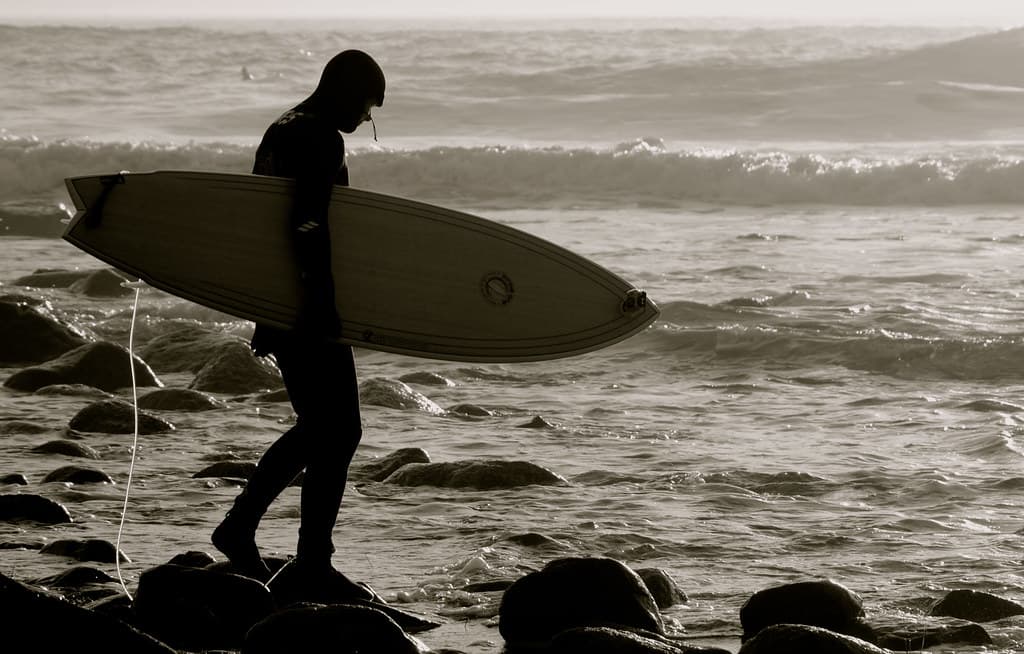
Counting the waves…
Counting the waves…
Jomfruland Beach, a prominent feature of the Jomfruland National Park, is a place of profound natural beauty and geological significance. Its most striking characteristic is the 'rolling stone' beach, a long, curving ridge of smooth, oval pebbles deposited by the last ice age. Walking this ridge is an experience in itself, the rhythmic crunch of stones underfoot a constant companion to the vastness of the sea. The island, shaped by glacial moraines, is a haven for migratory birds, making it a prime spot for birdwatching, especially during spring and autumn. Beyond the pebble ridge, you'll find patches of sandy shore, perfect for sunbathing, and calm waters for swimming. The air here is crisp and clean, carrying the scent of salt and wild roses that bloom in the island's meadows. Jomfruland is more than just a beach; it's an entire island ecosystem to explore. Rent a bicycle to traverse its gentle paths, visit the iconic lighthouses, or simply find a secluded spot to watch the ships pass on the horizon. It’s a place that connects you to ancient forces and the enduring wildness of the Norwegian coast.
Places, rentals, tours and events within walking and driving distance of Jomfruland Beach.
Photos
Jomfruland Beach is very suitable for swimming, known for its long stretches of coastline and often clear waters. The beach is generally shallow in many areas, making it good for families. As with most Norwegian coastal areas, the water temperature is cool, even in summer. There are no lifeguards, so swimmers should exercise caution and be aware of their surroundings.
The best time to visit Jomfruland Beach for optimal weather is during the peak summer months of July and August, when temperatures are at their highest and the island is bustling. For a more peaceful experience with fewer crowds, consider visiting in June or late August/early September. The weather is still pleasant, and you can enjoy the scenic beauty without the peak season rush.
Jomfruland Beach is located on Jomfruland island, which is accessible by ferry from Kragerø. The ferry service runs regularly, especially during the summer season. Visitors can also reach the island by private boat. Once on the island, the beach areas are typically within walking or cycling distance from the ferry landing points. It's advisable to check ferry schedules in advance.
Jomfruland Island offers some limited food and lodging options, particularly during the summer. There might be a café or kiosk, and potentially guesthouses or cabins for rent. However, options are not extensive, so it's wise to bring snacks and drinks. For a wider selection of restaurants and hotels, the town of Kragerø is the main hub, accessible by ferry.
Jomfruland Beach is famous for its exceptionally long, scenic island beach landscape, stretching across the Kragerø fringe. Its unique feature is the distinctive pebble beaches and the island's protected status as a national park, offering a blend of natural beauty and geological interest. It's a popular destination for sunbathing, walking, and experiencing the tranquil coastal environment, making it a significant natural landmark.