Counting the waves…
Counting the waves…
A refined fusion of water purity, environmental stability, and communal vibrancy for Balinghai Beach.
View MethodologyAnalyzed via live sensors and environmental data.
Wave height, wind, and atmospheric stability.
Live footfall and crowd balance metrics.
Community reviews and curated sentiment.
“You'll find no signposts pointing toward Balinghai, just a narrow dirt track that ends at a horseshoe of cliffs. The few bamboo outriggers anchored offshore belong to fishermen who've worked these waters for decades.”
Limited recent visitor reports — live OBI telemetry is your best guide for current conditions.
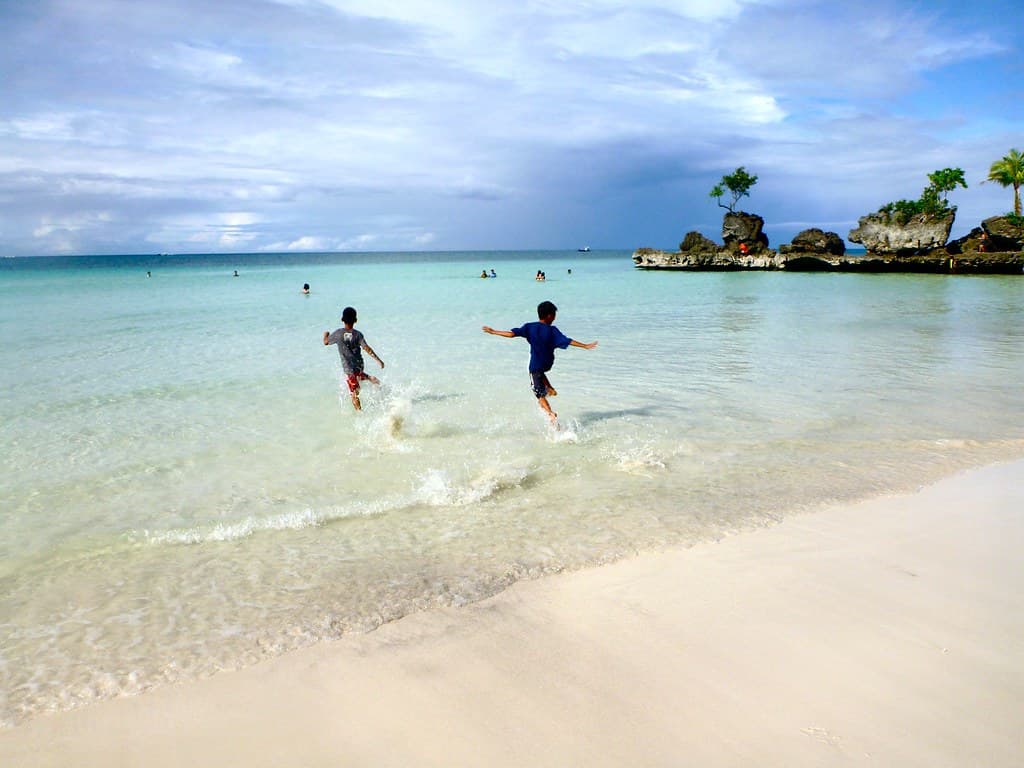
The approach reveals nothing. One moment you're navigating a rutted path between coconut groves, the next you're standing above a crescent of shore hemmed in by limestone walls draped in vines and strangler figs. The beach itself runs perhaps two hundred meters, powder-fine sand giving way to water that shifts from jade to cobalt depending on cloud cover.
Mid-morning brings fishermen sorting their catch—silver anchovies piled in woven baskets, the occasional grouper laid out on banana leaves. They work in the shade of their bancas, boats painted in faded blues and reds, hulls scarred from years of being dragged across sand and coral rubble. You won't find vendors or beach chairs, just driftwood logs smoothed by tide and time.
 Credit: Unsplash
A small island in the middle of a body of water
 Credit: Unsplash
a group of people standing on top of a sandy beach
Calm water before noon
Weathered bancas at anchor
Limestone formations and tide pools
Prime Visitation
Less Crowds
Where it is
Balinghai Beach
Malay, Aklan, Philippines
11.978000°, 121.914000°
Weather
Loading…
Swell
—
Temp
Warm · Restorative
UV Index
Moderate
Wind
—
Tidal State
Last known
Max Sunlight
—
Ideal Shade
—
Jan - Dec (Peak)
May - Nov (Off-season)
Historical data suggests peak visibility and stable sea temperatures occur during the prime visitation window.
Select a category to load nearby places.
Unlock restaurants, luxury stays and curated maritime experiences within 2km
Balinghai Beach, as a cove, typically offers calmer and more protected swimming conditions than open beaches. The cove formation provides natural shelter from strong waves and currents, making it generally safer for swimmers. However, conditions depend on weather, season, and tides. During the dry season (November-May), swimming conditions are usually favorable. Facilities and lifeguards may be limited given its hidden nature, so swimmers should be self-reliant and cautious. Check local conditions before entering the water, avoid swimming alone, and be aware of any rocky areas within the cove that could pose hazards during entry or exit.
Balinghai Beach is naturally less crowded due to its hidden location in Malay, Aklan. For the quietest experience, visit during weekdays rather than weekends when local visitors might increase. The dry season (November-May) offers the best weather while still maintaining relatively low visitor numbers compared to mainstream beaches. Avoid Philippine public holidays and long weekends when domestic tourism peaks. Early mornings provide the most private atmosphere, even during busier periods. The wet season (June-October) sees minimal crowds but comes with weather challenges. Being less publicized than Boracay's famous beaches, Balinghai maintains its peaceful character year-round.
Balinghai Beach is located in Malay, Aklan, the mainland municipality that includes Boracay. From Caticlan port area, hire a tricycle or habal-habal (motorcycle taxi) to reach the beach, which may take 15-30 minutes depending on exact location and road conditions. If coming from Boracay island, take a boat to Caticlan jetty port first, then arrange land transport. From Kalibo airport, travel to Caticlan first (1-2 hours), then proceed to the beach. As a hidden location, clear signage may be limited, so asking locals for directions or arranging a guide is recommended to ensure you find the correct cove.
As a hidden cove beach, Balinghai Beach has limited commercial development with few or no facilities directly on-site. Visitors may find small local eateries or carinderias (simple restaurants) in nearby communities serving Filipino dishes and fresh seafood. Accommodation options are likely basic, possibly including small guesthouses or homestays rather than resorts. Many visitors choose to day-trip from Caticlan or Boracay where extensive lodging and dining options exist. Bringing your own food, water, and supplies is advisable if planning extended time at the beach. The lack of development is part of the appeal for those seeking authentic, uncommercial beach experiences.
Balinghai Beach's appeal lies in its secluded cove setting offering privacy and tranquility away from Boracay's bustling tourist areas. Despite being in Malay municipality alongside famous Boracay, it remains relatively undiscovered, providing an intimate beach experience. The cove formation creates scenic natural beauty with protected waters ideal for relaxation. Its hidden status means minimal crowds, no commercial development, and an authentic coastal atmosphere. Visitors can enjoy the feeling of discovering a secret spot while still being relatively accessible from major tourist infrastructure. This combination of seclusion and proximity makes it special for travelers seeking peaceful alternatives to crowded resort beaches.
Photos