Counting the waves…
Counting the waves…
A refined fusion of water purity, environmental stability, and communal vibrancy for Tambisaan Beach.
View MethodologyAnalyzed via live sensors and environmental data.
Wave height, wind, and atmospheric stability.
Live footfall and crowd balance metrics.
Community reviews and curated sentiment.
“You can see the reef from the parking area. That's how close it lies—a dark line where water color shifts from pale green to deep blue, marking the drop-off where coral coverage begins. Locals bring their kids here to…”
Limited recent visitor reports — live OBI telemetry is your best guide for current conditions.
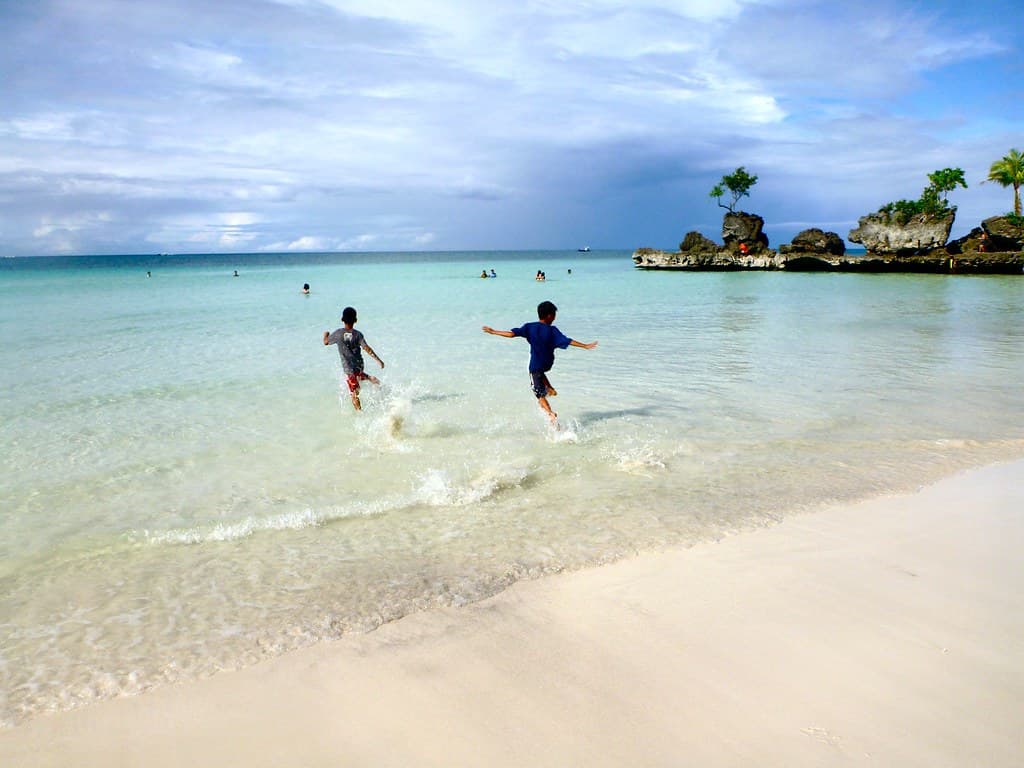
The beach curves gently, backed by coconut palms and a scattering of small resorts that haven't yet overwhelmed the shoreline. Sand ranges from white to cream depending on recent weather, tracked with the prints of morning joggers and the grooves left by pulled-up kayaks. But the real attraction begins where the sandy bottom gives way to coral rubble, then living reef.
Wade out thirty meters and you're floating above table corals the size of car hoods, their surfaces dotted with Christmas tree worms that retract at your shadow. Moorish idols drift in pairs, their elongated dorsal fins trailing like ribbons. Parrotfish crunch audibly on coral, their beaked mouths scraping algae, leaving white scars on brown stone. The reef slopes gradually, giving you the choice of staying in the shallows or following the contour down to where the bigger groupers lurk in overhangs.
 Credit: Unsplash
A small island in the middle of a body of water
 Credit: Unsplash
a group of people standing on top of a sandy beach
Coral gardens thirty meters offshore
Macro shots of nudibranchs
Parallel to shore before crowds
Prime Visitation
Best Weather
Where it is
Tambisaan Beach
Malay, Aklan, Philippines
11.943000°, 121.945000°
Weather
Loading…
Swell
—
Temp
Warm · Restorative
UV Index
Moderate
Wind
—
Tidal State
Last known
Max Sunlight
—
Ideal Shade
—
Jan - Dec (Peak)
May - Nov (Off-season)
Historical data suggests peak visibility and stable sea temperatures occur during the prime visitation window.
Near Tambisaan Beach
Explore dining, stays, nightlife, and activities near Tambisaan Beach in Malay, Philippines. Every listing below is a real place linked to this beach — open a card for reviews, maps, and booking options.
Food, cafés, and dining close to Tambisaan Beach — curated from places linked to this beach.
Stays and lodging options near Tambisaan Beach for your beach trip.
Bars and evening spots near Tambisaan Beach.
Activities, tours, and attractions near Tambisaan Beach.
Select a category to load nearby places.
Unlock restaurants, luxury stays and curated maritime experiences within 2km
Tambisaan Beach generally offers calm waters suitable for swimming and snorkeling, though conditions depend on weather and season. The beach is more protected than exposed western shores. Always check local conditions before entering the water, as currents can vary. Snorkeling is best during high tide when visibility improves. Avoid the area during monsoon season (June-November) when waves and winds increase. Life-saving equipment may not be readily available, so swim within your abilities and consider bringing your own snorkeling gear.
The ideal period to visit Tambisaan Beach is during the dry season from November to May, with December to April offering the most consistent weather. These months provide calm seas, excellent visibility for snorkeling, and sunny skies. March and April can be hot but offer the clearest waters. The wet season (June-October) brings rougher seas and reduced visibility underwater. For the best snorkeling conditions, visit during mid-morning to early afternoon when sunlight penetrates the water, enhancing coral colors and marine life visibility.
Tambisaan Beach is located on Boracay's eastern coast in Malay, Aklan. From the main White Beach area, you can hire a tricycle (15-20 minutes, approximately 150-300 PHP depending on your starting point). Some visitors rent motorbikes or bicycles to explore independently. The beach is accessible by road, though the final approach may involve a short walk. Water taxis are another option from certain points around the island. Most accommodations can arrange transportation, or you can negotiate with tricycle drivers at standard pickup points throughout Boracay.
Tambisaan Beach has limited dining and accommodation options compared to Boracay's main tourist areas. A few small beachfront resorts and guesthouses offer basic amenities and on-site restaurants serving Filipino and seafood dishes. The area is quieter and less developed, appealing to those seeking tranquility. For more dining variety, visitors often travel to White Beach or nearby areas. Some resorts arrange meals for guests, or you can bring snacks and drinks. Basic convenience stores exist in the vicinity, but it's wise to plan ahead for meals if staying nearby.
Tambisaan Beach offers a quieter snorkeling alternative to Boracay's busier spots, with opportunities to observe coral formations and tropical fish in relatively uncrowded waters. The eastern location means calmer conditions during certain seasons, making it accessible for beginner snorkelers. While not as extensively developed as dedicated dive sites, the area provides a more intimate experience with marine life. Visibility varies with tides and weather, but you can typically spot colorful reef fish, sea urchins, and coral gardens. The peaceful atmosphere allows for relaxed exploration without the crowds found at commercial snorkeling destinations.
Photos