Counting the waves…
Counting the waves…

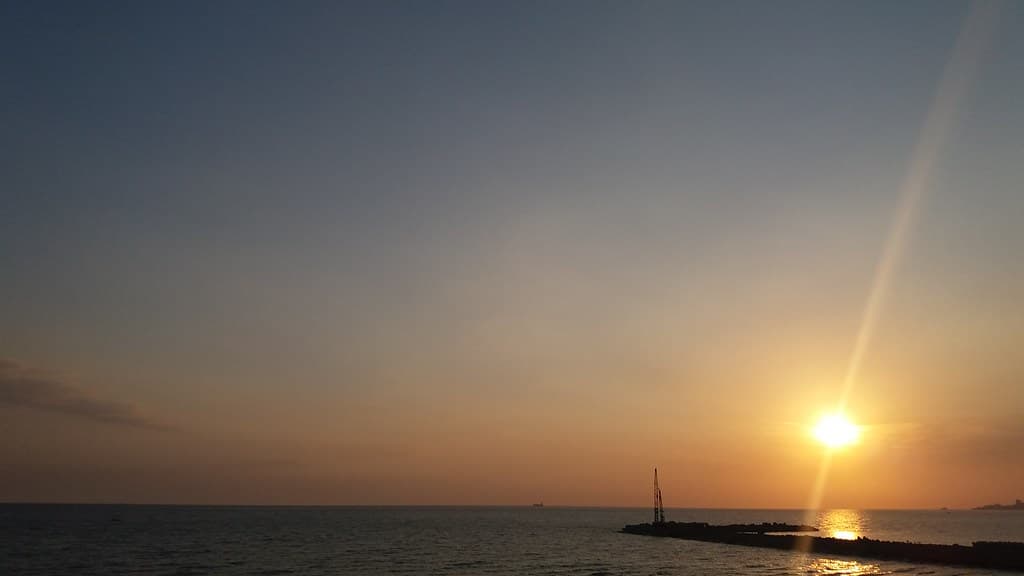
Nagbalayong Beach unfolds without fanfare, a ribbon of sand that sees more seabirds than people on most days. The approach takes you past residential streets and small holdings where laundry flaps on lines and chickens peck in dusty yards. Then the pavement ends and you're walking across sand that holds yesterday's footprints but not much else—a shore that hasn't been claimed by resorts or municipal development. The beach itself offers the simple geometry of sand meeting water without embellishment. Agoho trees provide scattered shade at the back edge of the beach, their needles carpeting the ground beneath in rust-colored drifts. The water arrives in low waves, their faces catching the light before collapsing in white foam that hisses across the sand. You might share the space with a few local families on weekends, but weekday mornings can pass with the beach entirely to yourself except for the terns working the shallows. Sunset here is a quiet affair—the sky performs its color shifts over water that stretches uninterrupted to the horizon, and the only sounds are waves and wind through the agoho branches. The light goes soft and horizontal, picking out the texture of the sand and turning the foam lines gold. You'll walk back in near-darkness, guided by the last glow in the western sky and the muscle memory of the path you took in.
Places, rentals, tours and events within walking and driving distance of Nagbalayong Beach.
Photos
Nagbalayong Beach is considered safe for swimming and family-friendly due to its generally calm waters and sandy bottom. As a quieter, less commercialized beach, it offers a relaxed atmosphere suitable for children. Water conditions are typically mild, though visitors should always check for currents and weather conditions before swimming. The uncrowded nature of the beach allows families to find their own space. Basic safety precautions apply: supervise children, avoid swimming during storms, and be mindful of changing tides.
Nagbalayong Beach can be visited anytime, making it flexible for travelers. The dry season (November to April) offers the most reliable sunny weather. However, its 'Anytime' designation and budget-friendly nature mean it's accessible year-round without extreme seasonal variations. Weekdays are quieter than weekends when locals visit. Late afternoon is ideal for enjoying sunsets, one of the beach's highlights. The beach rarely gets overcrowded, so timing is less critical than at popular tourist beaches.
From Manila, take a bus to Morong, Bataan via Victory Liner or Bataan Transit (approximately 3-4 hours via NLEX and SCTEX). Buses depart from Cubao or Pasay terminals. From Morong town center, hire a tricycle to Nagbalayong Beach, roughly 10-15 minutes away. If driving, follow the expressway to Bataan and navigate to Morong municipality, then follow local signs or ask for directions to Nagbalayong. The beach is relatively hidden but accessible with local guidance.
Nagbalayong Beach has limited on-site facilities as it's a quiet, hidden beach. Small local food vendors or sari-sari stores may offer basic refreshments, but bringing your own food and drinks is advisable. For proper meals and accommodation, Morong town offers various budget-friendly options including local restaurants, guesthouses, and small hotels. Nearby Subic Bay area has more extensive lodging and dining choices. The beach suits day trips or budget travelers seeking simple, authentic coastal experiences.
Nagbalayong Beach is particularly noted for its sunset views, offering unobstructed western vistas across Manila Bay. The quiet, uncrowded atmosphere allows peaceful sunset watching without the bustle of commercial beaches. The sandy beach provides comfortable spots to sit and enjoy the changing colors. The hidden nature of the beach means fewer people sharing the experience, creating an intimate setting. Local character and authentic seaside ambiance enhance the sunset experience, making it memorable for photographers and romantic visitors.