Counting the waves…
Counting the waves…
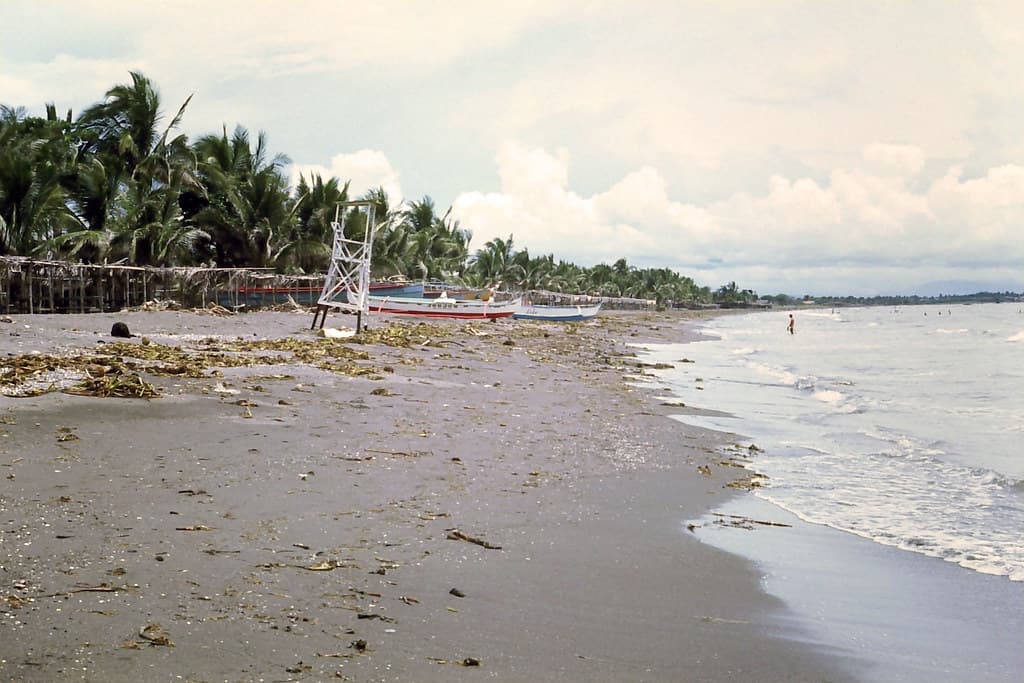
You walk the seawall at Sapa and the city comes right to the water's edge—sari-sari stores, basketball courts, houses built so close their windows overlook the bay's gray-green surface. This is urban coastline, no pretense of resort amenities or imported sand. The shore itself is mud and mangrove roots at low tide, concrete steps and rip-rap boulders at high, with fishing bancas moored in rows that shift and creak with the current. Fishermen sit on overturned buckets mending nets while their wives sort the morning's haul—small silvery fish that flash in plastic basins. The promenade draws evening crowds: families on rented bicycles, teenagers sharing halo-halo from the corner store, old men playing chess on permanent tables bolted to the walkway. You smell the food carts before you see them—isaw sizzling on makeshift grills, balut vendors calling out their wares, someone frying kwek-kwek in a wok balanced on a propane burner. The bay stretches westward toward the refineries of Bataan, their stacks visible on clear days, closer in, cormorants dive for fish in the shallows. Sunset here is less spectacle than daily fact. The sky goes orange, then salmon, then ash as the sun drops behind the industrial silhouettes across the water. Streetlights flicker on along the esplanade. The basketball game continues under the court's fluorescent glow, and the tide keeps rising, slapping against the seawall with the rhythm of a clock that never needs winding.
Places, rentals, tours and events within walking and driving distance of Sapa Beach.
Photos
Sapa Beach in Rosario is an urban shoreline where swimming conditions depend on water quality and tides. As a local beach along Manila Bay, the water may not always be pristine, and it's primarily used by locals for wading rather than serious swimming. The beach is generally shallow with calm waters, making it relatively safe for families with children. Always check current conditions and avoid swimming after heavy rains when runoff can affect water quality.
Sapa Beach is accessible year-round and particularly appealing for budget travelers as costs remain consistent throughout the year. The dry months from December to May offer better weather and clearer skies. Late afternoons are ideal for experiencing the sunset views this beach is known for. Weekdays see fewer visitors than weekends. Being an urban beach, it serves well for quick day trips anytime, though avoiding rainy season from June to October ensures more comfortable visits.
Sapa Beach is located in Rosario, Cavite, approximately 30-35 kilometers from Manila. Travelers can take buses heading to Cavite from Manila terminals, then transfer to local jeepneys or tricycles to reach Rosario and the beach area. Driving via Aguinaldo Highway or Coastal Road takes about 1.5-2 hours depending on traffic. Being an urban location, it's relatively easy to find and access. Ask locals for specific directions to Sapa Beach upon arriving in Rosario.
Sapa Beach, being a local urban shoreline, has modest facilities directly at the beach. The nearby Rosario town center offers local eateries, carinderias, and small restaurants serving affordable Filipino food. Budget accommodations and inns can be found in Rosario for overnight stays, though many visitors treat it as a day trip destination. Bring your own refreshments if planning extended beach time. For more varied dining and lodging options, nearby Cavite City provides additional choices.
Sapa Beach represents authentic local coastal life in Cavite, offering visitors a glimpse into how communities interact with their shoreline outside of commercialized tourist areas. It's a gathering place for Rosario residents, particularly during weekends and sunset hours. The beach maintains its unpretentious, neighborhood character, making it appealing for travelers seeking genuine local experiences rather than resort amenities. Its urban setting and hidden status provide an alternative to more developed beach destinations in the region.