Counting the waves…
Counting the waves…
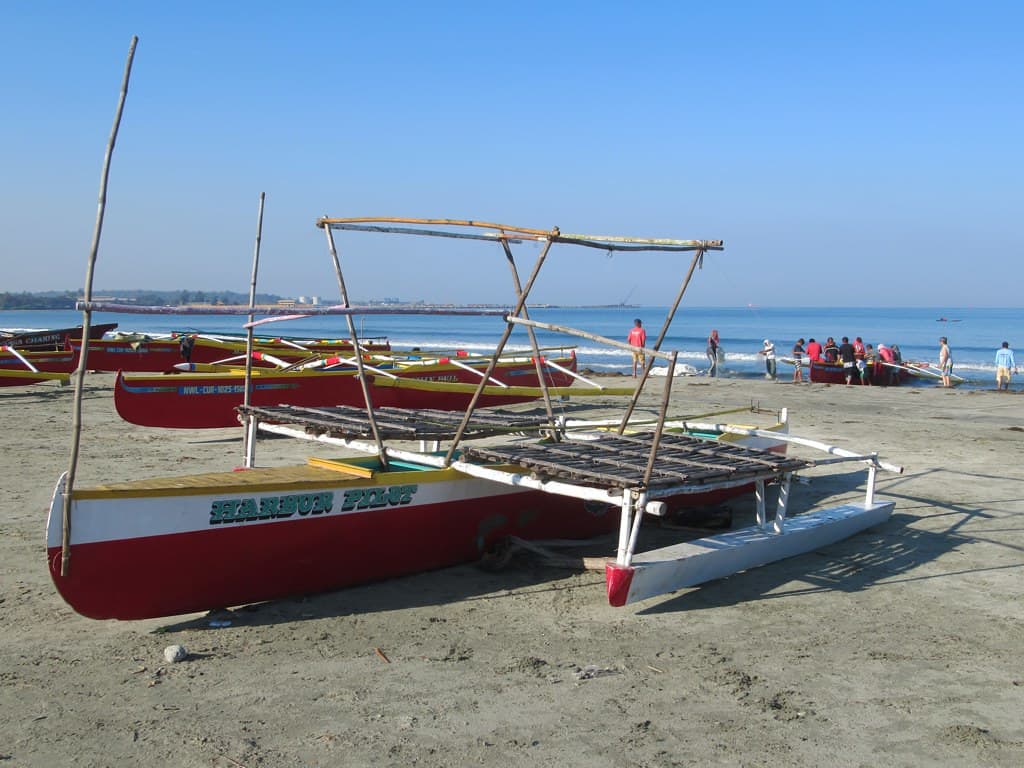
Suba Beach exists at the intersection of two distinct ecosystems. Behind you, the Paoay sand dunes rise in sculptural waves, some cresting five meters high, their faces rippled by constant wind. Ahead, the beach stretches in both directions, backed by dune grass and the occasional hardy shrub that's adapted to salt spray and shifting substrate. The sand itself is fine and light-colored, almost white where it's dry, darkening to honey where waves reach. The wind here never fully stops. It reshapes the dunes daily, carries sand in stinging clouds during strong gusts, and keeps the surf choppy even on calm days. You'll notice how few footprints last—the beach essentially erases itself between visitors. That impermanence creates a sense of discovery: each arrival feels like first contact, even if you've been before. The isolation is genuine; Suba sees a fraction of the traffic that nearby tourist beaches absorb, partly due to access challenges and partly because it offers no facilities whatsoever. Photographers and adventurous travelers prize this combination of dune and beach. The landscape photographs like nowhere else in the Philippines—more North Africa than Southeast Asia. Sunset turns the dunes into studies in shadow and light, each ridge casting long purple shadows across wind-smoothed faces. The beach itself becomes secondary to the overall scene: this collision of desert and ocean, sand meeting saltwater in an environment that feels elementally pure and decidedly inhospitable to permanent human presence.
Places, rentals, tours and events within walking and driving distance of Suba Beach.
Photos
Swimming at Suba Beach is generally safe during calm weather, but caution is advised. The beach's location along the open coastline means wave conditions can vary, and currents may be present. The sandy bottom makes entry easier, but swimmers should be aware of their abilities and stay within comfortable depths. Swimming is safest during the dry season when seas are typically calmer. Always check local conditions before entering the water. The dune-linked environment means strong winds can sometimes create choppy waters, so assess conditions carefully and avoid swimming during rough weather or strong winds.
The ideal time to visit Suba Beach is during the dry season from November to April for the most favorable weather and calmer seas. However, the 'less crowds' tag means you can enjoy relative solitude throughout the year. The beach's scenic sand dunes are photogenic year-round, though clearer skies during dry months enhance photography opportunities. Sunset viewing is spectacular regardless of season. Budget travelers can visit anytime, with potentially lower costs during the wet season (June-October). Weekdays offer even fewer crowds than weekends, perfect for those seeking peaceful scenic beauty.
Suba Beach is located in Paoay municipality, which is about 20 kilometers south of Laoag City. From Laoag, you can take a jeepney, tricycle, or van heading to Paoay (approximately 30-40 minutes). If coming from Manila, take a bus to Laoag (10 hours) or fly to Laoag International Airport (1 hour). From Paoay town proper, known for its UNESCO World Heritage church, hire a tricycle to take you to Suba Beach. The beach is somewhat off the main tourist route, so confirming directions with locals is helpful. Private transportation offers the most convenience.
Suba Beach itself has limited facilities given its dune-linked, less-developed nature. Paoay town offers basic accommodations including guesthouses and small inns at budget-friendly rates. For more extensive lodging and dining options, Laoag City (20 km away) provides hotels, resorts, and restaurants across various price ranges. Local eateries in Paoay serve traditional Ilocano cuisine, including the famous Paoay empanada and bagnet. It's wise to bring snacks and water to the beach as vendors are typically not present. Plan meals in Paoay town or Laoag for the best variety.
Suba Beach's defining feature is its connection to scenic sand dunes, creating a distinctive coastal landscape that sets it apart from typical Philippine beaches. The dune formations provide dramatic backdrops for photography, especially during golden hour when shadows and light create stunning Instagram-worthy scenes. This unique topography offers opportunities for dune exploration beyond typical beach activities. The combination of sandy beach and dune ecosystem creates diverse scenery rarely found in a single location. The undeveloped, hidden nature means you can experience this scenic beauty in relative solitude, perfect for nature lovers and photographers seeking unique coastal landscapes.