Counting the waves…
Counting the waves…
A refined fusion of water purity, environmental stability, and communal vibrancy for Apatot Beach.
View MethodologyAnalyzed via live sensors and environmental data.
Wave height, wind, and atmospheric stability.
Live footfall and crowd balance metrics.
Community reviews and curated sentiment.
“Apatot Beach challenges the definition of beach entirely—a jumble of dark volcanic rocks meets churning surf, creating compositions that photographers chase and swimmers largely avoid. The mountains press close behind,…”
Limited recent visitor reports — live OBI telemetry is your best guide for current conditions.
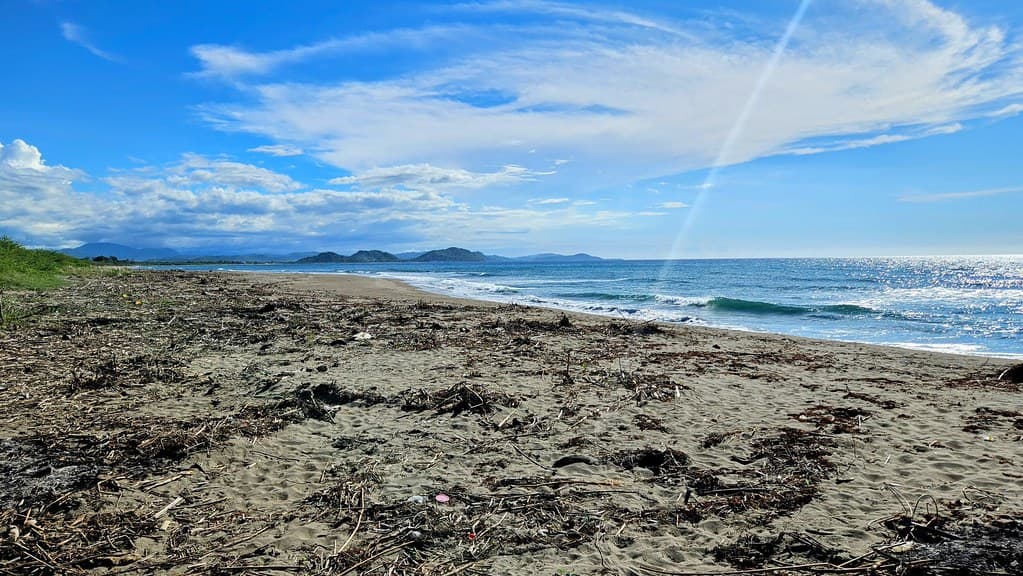
You'll arrive at Apatot Beach and immediately understand why people come here with cameras rather than swimsuits. The coastline is a chaos of volcanic stone—boulders the size of vehicles scattered across the shore, smaller rocks filling the gaps, everything smoothed by centuries of wave action but still definitively rocky. The sea charges through channels between the stones, creating white water displays that shift with each swell. You'll hear the clatter of rocks tumbling in the surge, a percussion that never stops.
The Sierra Madre mountains loom immediately behind this stretch of coast, their slopes plunging toward the sea and creating a compressed landscape where elevation meets ocean in abrupt transition. This geography shapes the weather—clouds snag on the peaks, rain arrives suddenly, and wind funnels down the canyons to whip the surf into shapes that change minute by minute. You'll find tide pools among the rocks, miniature ecosystems trapped between boulders, though reaching them requires careful navigation over uneven, slippery surfaces.
 Credit: Unsplash
a group of people standing on top of a sandy beach
 Credit: Unsplash
a boat that is sitting in the water
Volcanic sculptures meet surf
Tide pool discoveries
Light raking across stones
Prime Visitation
Less Crowds|Budget Travel
Where it is
Apatot Beach
San Esteban, Ilocos Sur, Philippines
17.318500°, 120.451000°
Weather
Loading…
Swell
—
Temp
Warm · Restorative
UV Index
Moderate
Wind
—
Tidal State
Last known
Max Sunlight
—
Ideal Shade
—
Jan - Dec (Peak)
May - Nov (Off-season)
Less Crowds|Budget Travel
Select a category to load nearby places.
Unlock restaurants, luxury stays and curated maritime experiences within 2km
Apatot Beach is primarily a rocky coastal area, which makes it less ideal for traditional swimming compared to sandy beaches. The rocky shoreline and potentially uneven underwater terrain require caution. It's better suited for wading, tide pool exploration, and photography rather than extended swimming sessions. Visitors should wear appropriate water shoes to protect their feet from sharp rocks and be mindful of slippery surfaces. The beach is more of a scenic coastal stop for sightseeing and sunset viewing than a swimming destination, so manage your expectations accordingly.
The best time to visit Apatot Beach for photography is during the dry season (November to April) when weather conditions are most favorable. However, its designation as a 'less crowds' destination means you can visit anytime with minimal tourist interference. Golden hour—shortly after sunrise or before sunset—offers the most dramatic lighting for capturing the rocky coastline. The unique rock formations and coastal scenery create excellent Instagram-worthy shots throughout the day. Visiting on weekdays further ensures you'll have the scenic vistas largely to yourself for unobstructed photography.
To reach Apatot Beach, first travel to San Esteban town in Ilocos Sur. From Manila, take a bus to Vigan or nearby towns, then transfer to local transportation heading to San Esteban. The journey from Manila takes approximately 8-10 hours by bus. From Vigan, San Esteban is accessible via jeepney or van. Once in San Esteban, you'll need to hire a tricycle or arrange local transportation to Apatot Beach, as it's a bit off the main tourist trail. Having your own vehicle provides more flexibility for exploring this hidden coastal area.
Apatot Beach is a relatively undeveloped coastal stop, so amenities are limited directly at the site. San Esteban town center has basic accommodations and local eateries serving Filipino cuisine at budget-friendly prices. For more dining and lodging options, consider basing yourself in Vigan, which is within reasonable traveling distance and offers a wider range of hotels, restaurants, and heritage inns. It's advisable to bring snacks and water when visiting Apatot Beach, as vendors are unlikely to be present. Plan your visit as a day trip with meals in town.
Apatot Beach stands out for its distinctive rocky coastal landscape rather than the typical sandy shores found elsewhere along the Ilocos Coast. The dramatic rock formations create a rugged, photogenic scenery that's particularly appealing for photographers and nature enthusiasts. Its hidden, off-the-beaten-path location means you'll likely have the area largely to yourself, offering a peaceful escape from more crowded tourist beaches. The beach serves as a scenic coastal stop perfect for contemplation, sunset viewing, and capturing unique Instagram-worthy shots of the Ilocos coastline's less-seen natural beauty.
Photos